BILASIM: ATOSH IYARO AND THE THREADS OF CULTURE, MOTHERHOOD, AND LEGACY
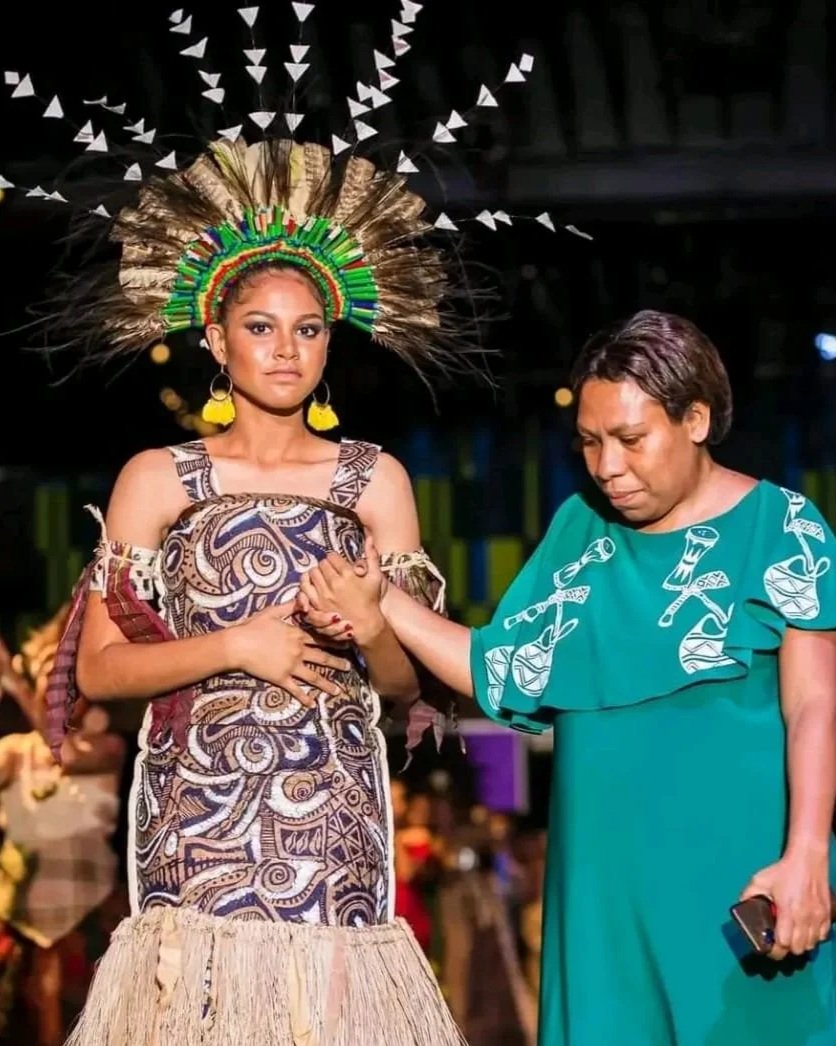
There are designers who create clothing.
And then there are designers who create memory.
In Papua New Guinea — a nation where identity is woven through language, land, and lineage — fashion is rarely just about appearance. It is about belonging. It is about storytelling. It is about the quiet but powerful responsibility of carrying culture forward.
For Atosh Iyaro, founder of the growing fashion brand Bilasim, design is not simply a creative profession. It is a form of cultural preservation — a way to ensure that the symbols, colours, and traditions that define Papua New Guinea do not fade quietly into history.
But perhaps the most extraordinary part of her story is that this cultural mission has unfolded alongside another powerful journey.
Motherhood.
Designer.
Mother of three.
Cultural storyteller.
In Atosh’s world, these identities do not compete with one another. Instead, they deepen each other, shaping a creative voice that is both profoundly personal and unmistakably Papua New Guinean.
Her designs do not simply clothe the body.
They carry the weight of heritage.
And the future of memory.
MOTHERHOOD AS A CREATIVE AWAKENING
Many people assume motherhood slows ambition.
For Atosh Iyaro, it did the opposite.
Some of her most defining creative moments came while she was carrying life itself.
“I was expecting during both runway shows I did for PNG Fashion Week,” she says with a quiet laugh.
For many designers, pregnancy might have meant stepping away from the runway. For Atosh, it became something else entirely — a moment of deep reflection about what it truly means to create.
Because motherhood does something profound to the human imagination.
It alters the way a person sees time.
It makes legacy suddenly real.
The garments we create are no longer simply pieces of design — they become messages left behind for the next generation.
“Motherhood changed the way I approach creativity,” she explains.
It taught her patience.
It taught her responsibility.
But perhaps most importantly, it taught her purpose.
When you become a mother, the idea of building something meaningful becomes urgent.
Because one day your children will look back and ask what you left behind.
For Atosh, the answer is simple.
Culture.
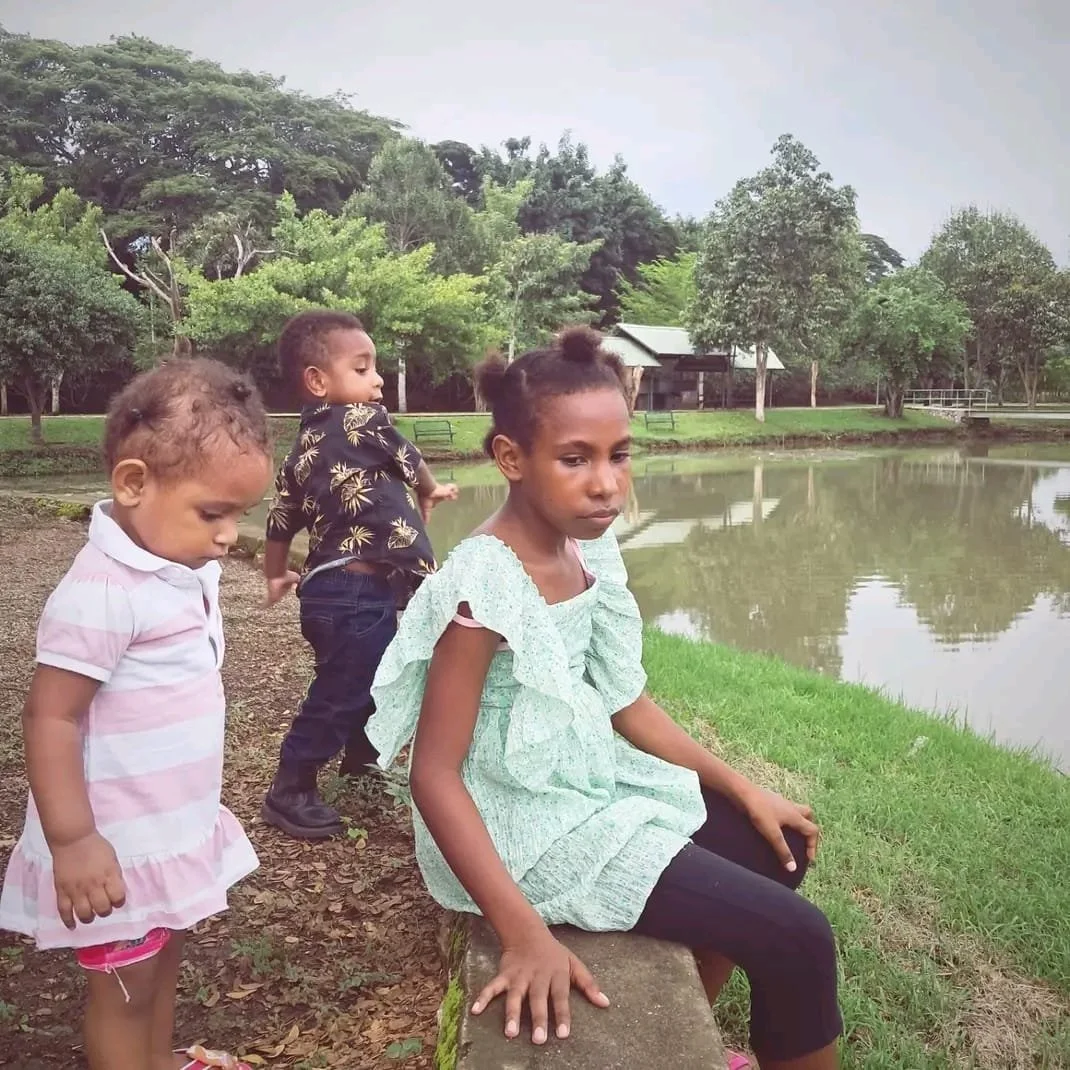
“My children remind me every day why our stories must be preserved,” she says.
And through Bilasim, she is ensuring that those stories remain alive.
A NATION OF STORIES
To understand Atosh Iyaro’s work, one must first understand Papua New Guinea.
Few countries on earth carry the cultural density that PNG holds within its borders.
With over 800 languages and thousands of tribal identities, the nation is often described by anthropologists as one of the most culturally diverse places on the planet. Entire worlds of symbolism exist within its provinces — expressed through body paint, carvings, ceremonial dress, and sacred ornamentation.
The ancestors of Papua New Guinea were artists long before the word “designer” ever existed.
They painted faces to communicate identity.
They carved shields to represent clan strength.
They built houses and canoes decorated with symbols that spoke of lineage, power, and belonging.
“Every tribe had its own visual language,” Atosh explains.
From the Highlands to the Sepik, from the islands of the Bismarck Archipelago to the southern plains, culture was never generic.
It was specific.
Intentional.
Alive.
For a designer like Atosh, this cultural richness is an endless well of inspiration.
The bold reds and blacks of ceremonial body paint.
The patterns etched into wooden shields.
The geometry of traditional bilums.
But alongside this inspiration lives a quiet concern.
A concern shared by many artists in Papua New Guinea today.
“What if one day our children stop telling these stories?”
The digital age, with its globalised aesthetics and mass-produced fashion, threatens to flatten cultural identity into something generic.
And that possibility unsettles her deeply.
Because culture, if not practiced, disappears.
THE MOMENT EVERYTHING CHANGED
The idea for Bilasim did not emerge from a business plan.
It emerged from a moment of awakening.
In 2018, Atosh attended the Melanesian Festival of Arts in Honiara, a gathering of artists and cultural practitioners from across the Pacific.
What she witnessed there was both inspiring and confronting.
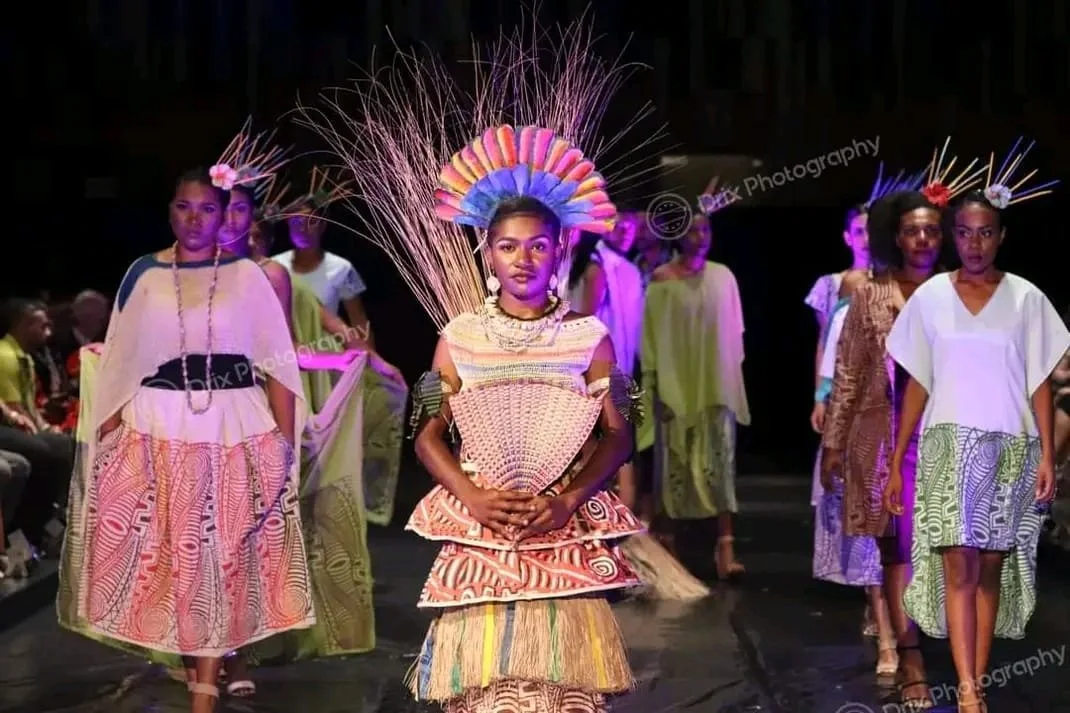
Across the festival grounds, young people from neighbouring Melanesian nations proudly represented their cultures — wearing traditional art, celebrating identity, sharing heritage through performance and fashion.
But something stood out.
Many of the PNG participants were older.
The younger generation seemed less present.
That observation stayed with her.
It raised a question she could not ignore.
Who would carry these stories forward if the youth did not step forward to tell them?
That moment sparked a quiet determination.
If cultural storytelling needed a new generation of voices — she would become one of them.
THE HUMBLE BEGINNING OF BILASIM
Like many great creative journeys, Bilasim began with almost nothing.
No large funding.
No established retail space.
Just passion.
And belief.
Atosh started small.
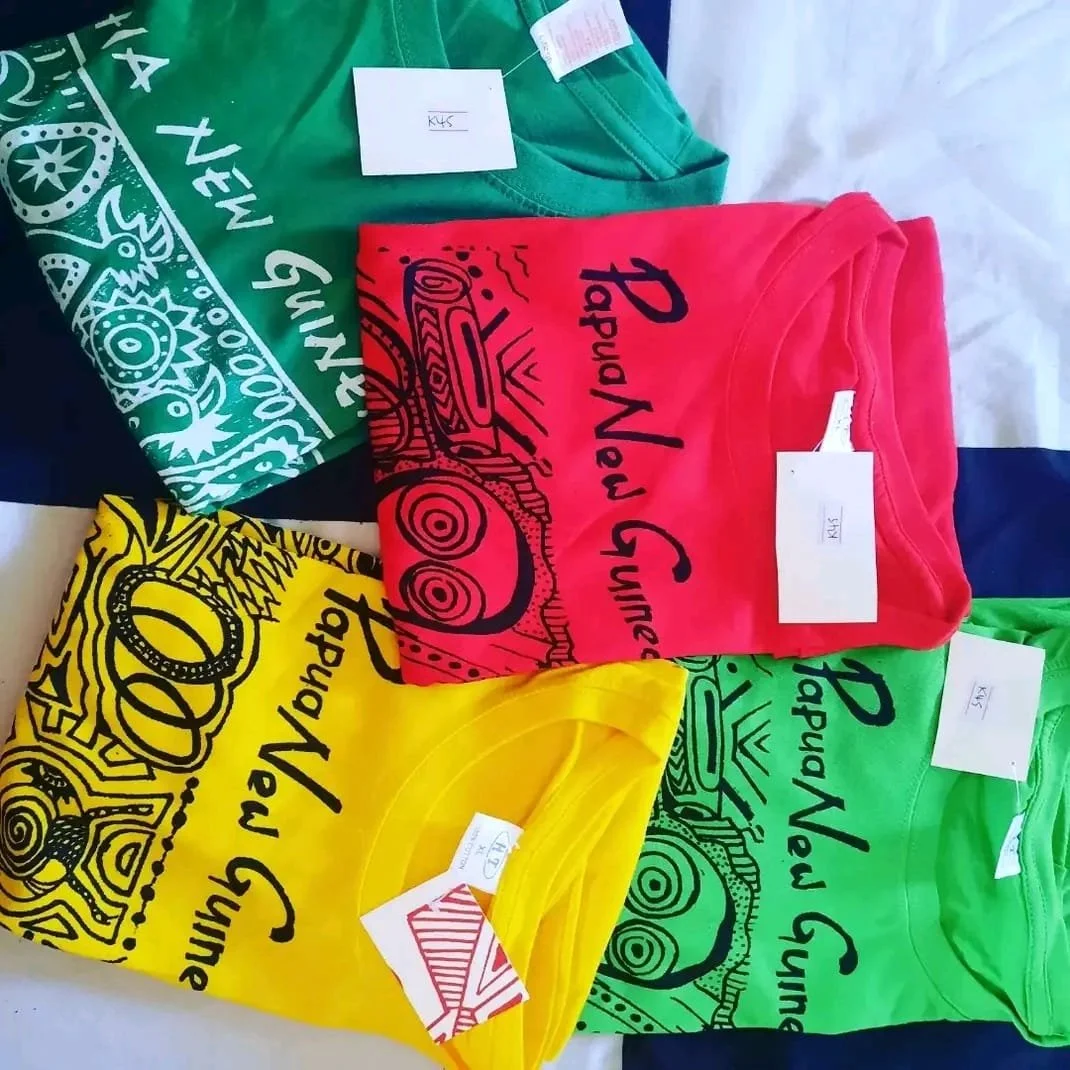
She began by designing printed T-shirts featuring PNG-inspired cultural imagery and selling them at Port Moresby city markets.
The garments were simple, but the message was powerful.
Every design celebrated Papua New Guinea’s identity.
Slowly, the idea expanded.
Customers responded.
People wanted clothing that reflected who they were.
By 2021, the brand officially became Bilasim Clothing & Accessories.
The name itself is deeply symbolic.
Derived from the Tok Pisin word bilas, meaning decoration or ceremonial adornment, Bilasim represents the cultural pride Papua New Guineans carry when they dress in traditional attire.
For Atosh, this concept sits at the heart of her work.
“In our culture, decorating ourselves is an act of pride,” she says.
Through Bilasim, she transforms that pride into modern fashion.
THE CHALLENGES OF BUILDING A CREATIVE BUSINESS
Running a fashion business in Papua New Guinea is far from easy.
The challenges are both economic and cultural.
Raw materials are expensive.
Manufacturing infrastructure is limited.
Retail outlets are scarce.
And perhaps most difficult of all is the presence of mass-produced garments imported from overseas — many of them using PNG-inspired designs but produced at far lower costs.
For a small local designer, competing against that system can feel overwhelming.
And for a female entrepreneur, the challenges can be even greater.
“Sometimes female-owned businesses are overlooked,” she says.
There were moments when doubt crept in.
Moments when the obstacles seemed larger than the dream.
But during those moments, one voice kept her steady.
Her mother’s.
“My mother always encouraged me to push forward,” she says.
Alongside her mother’s wisdom was something else.
Faith.
Belief in God.
And belief in the purpose of her work.
Those pillars became her foundation.
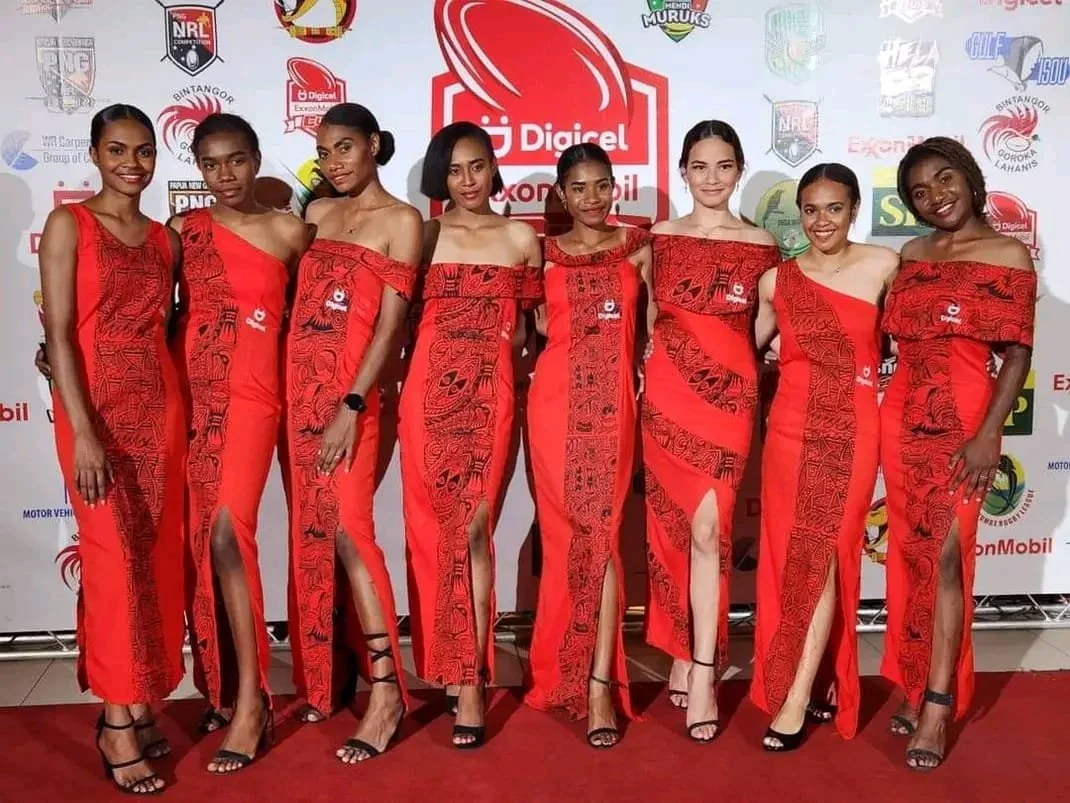
DESIGN AS CULTURAL RESPONSIBILITY
Atosh approaches design with a level of seriousness that goes beyond aesthetics.
For her, culture is not decoration.
It is responsibility.
Every symbol carries meaning.
Every pattern tells a story.
Before incorporating any cultural reference into her work, she researches its origins carefully.
“I don’t copy culture,” she explains.
“I interpret it with respect.”
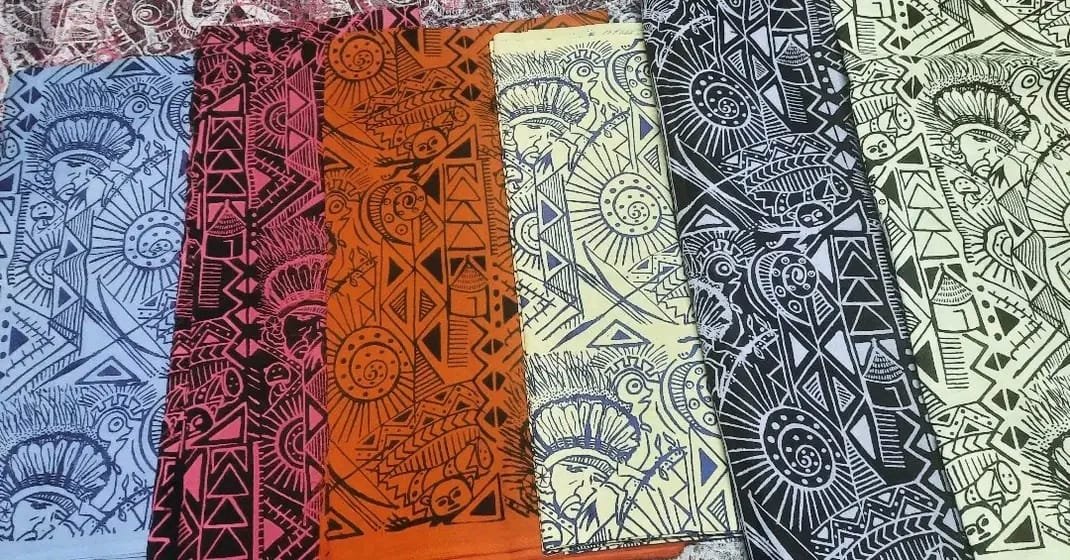
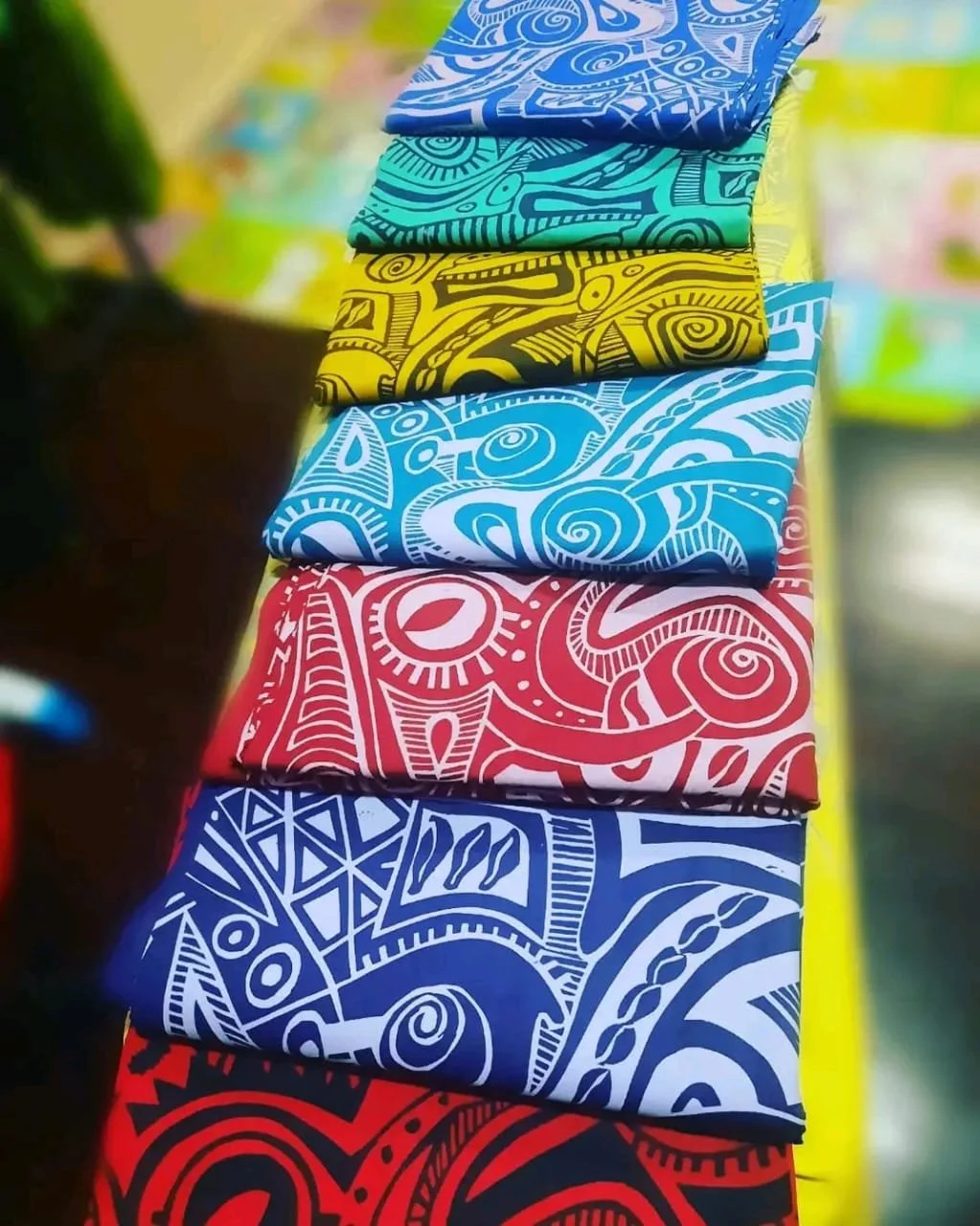
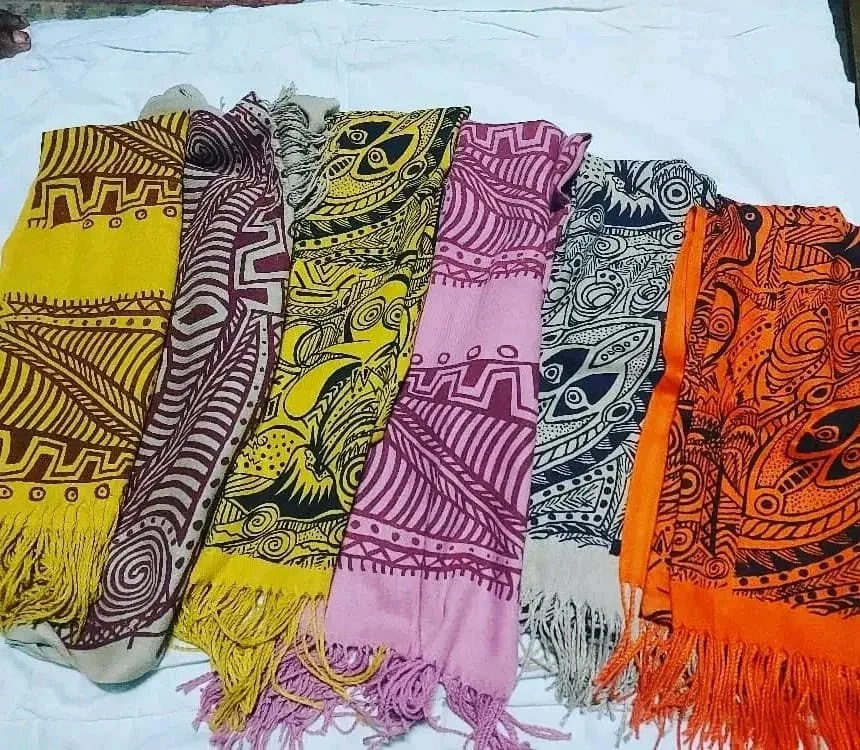
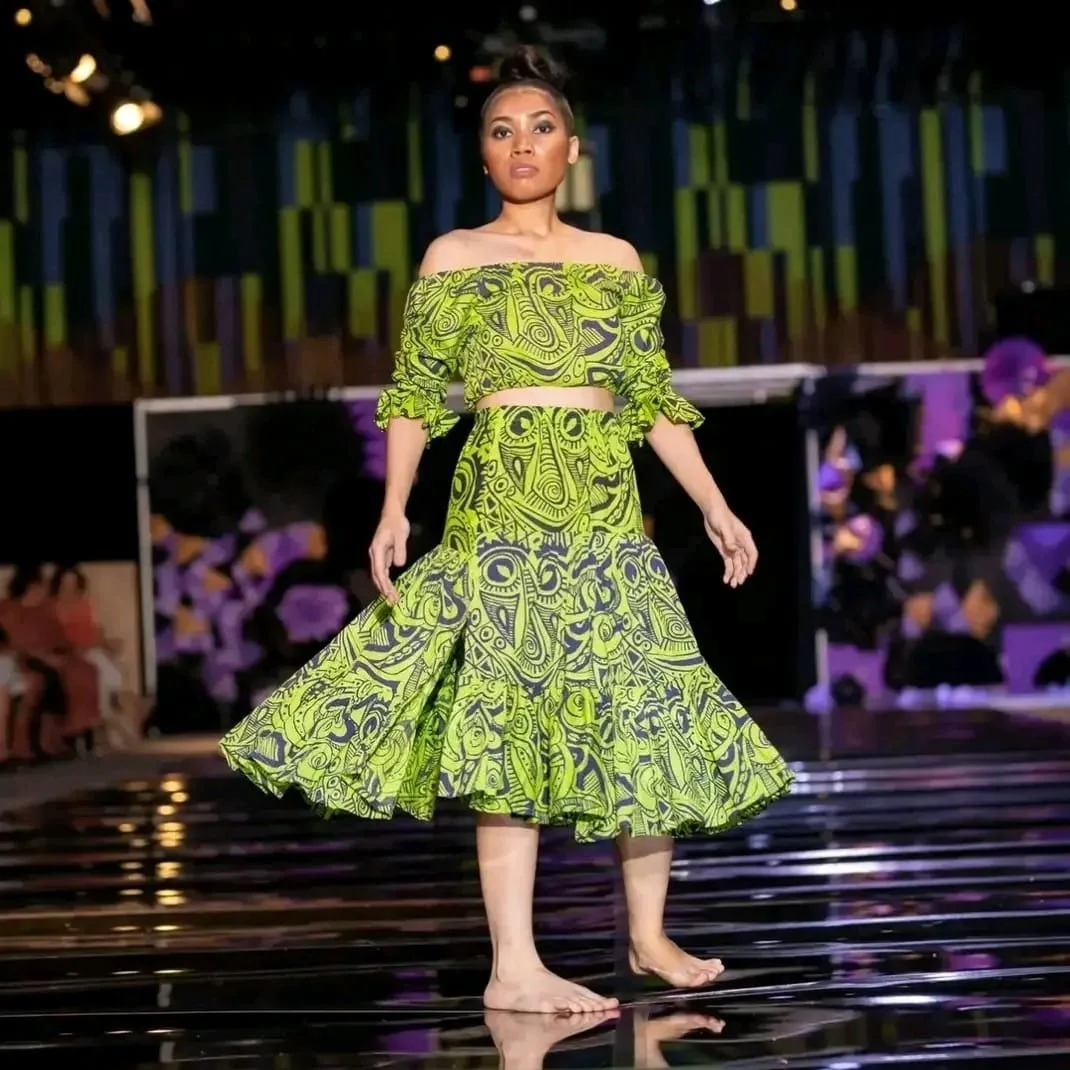
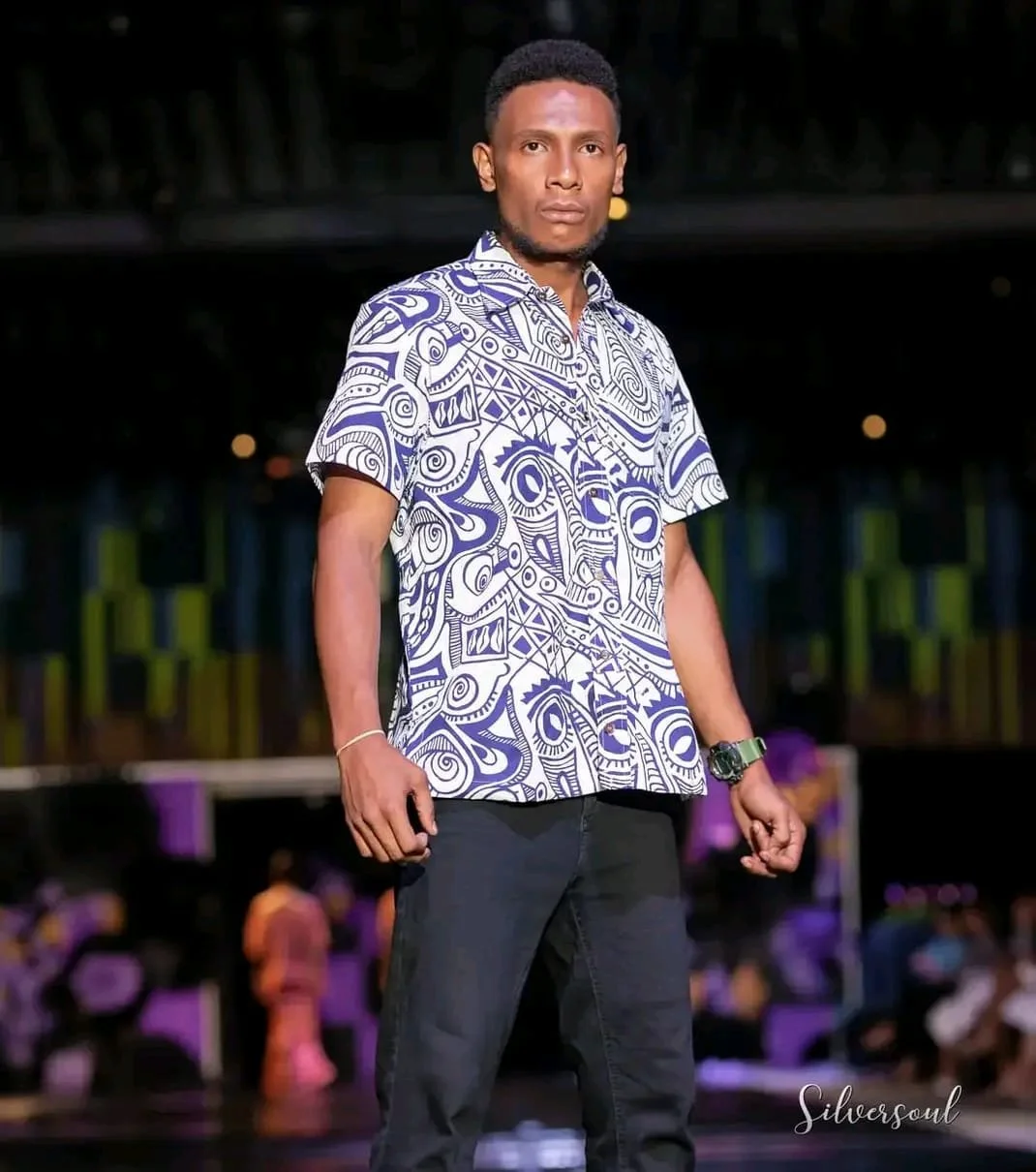
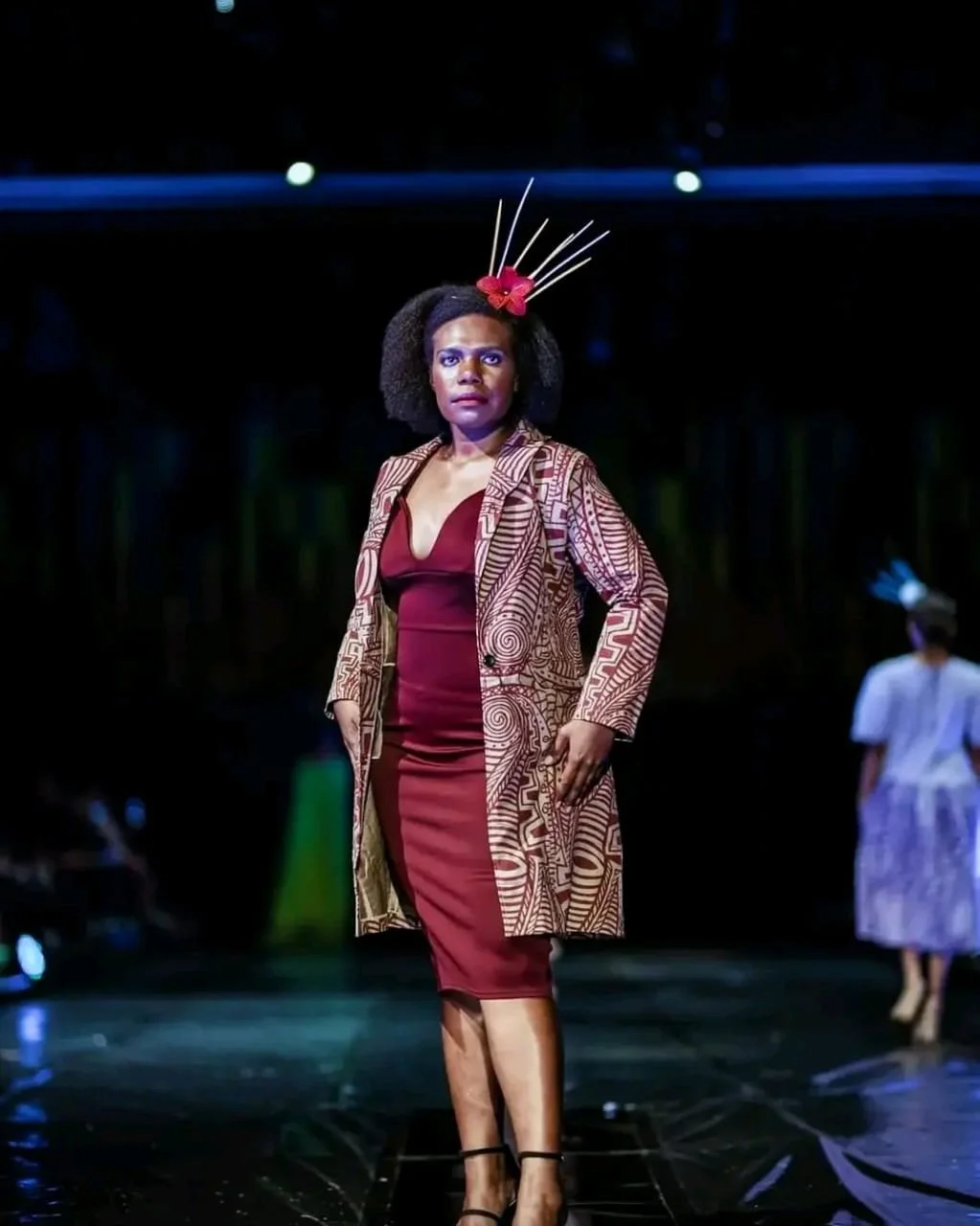
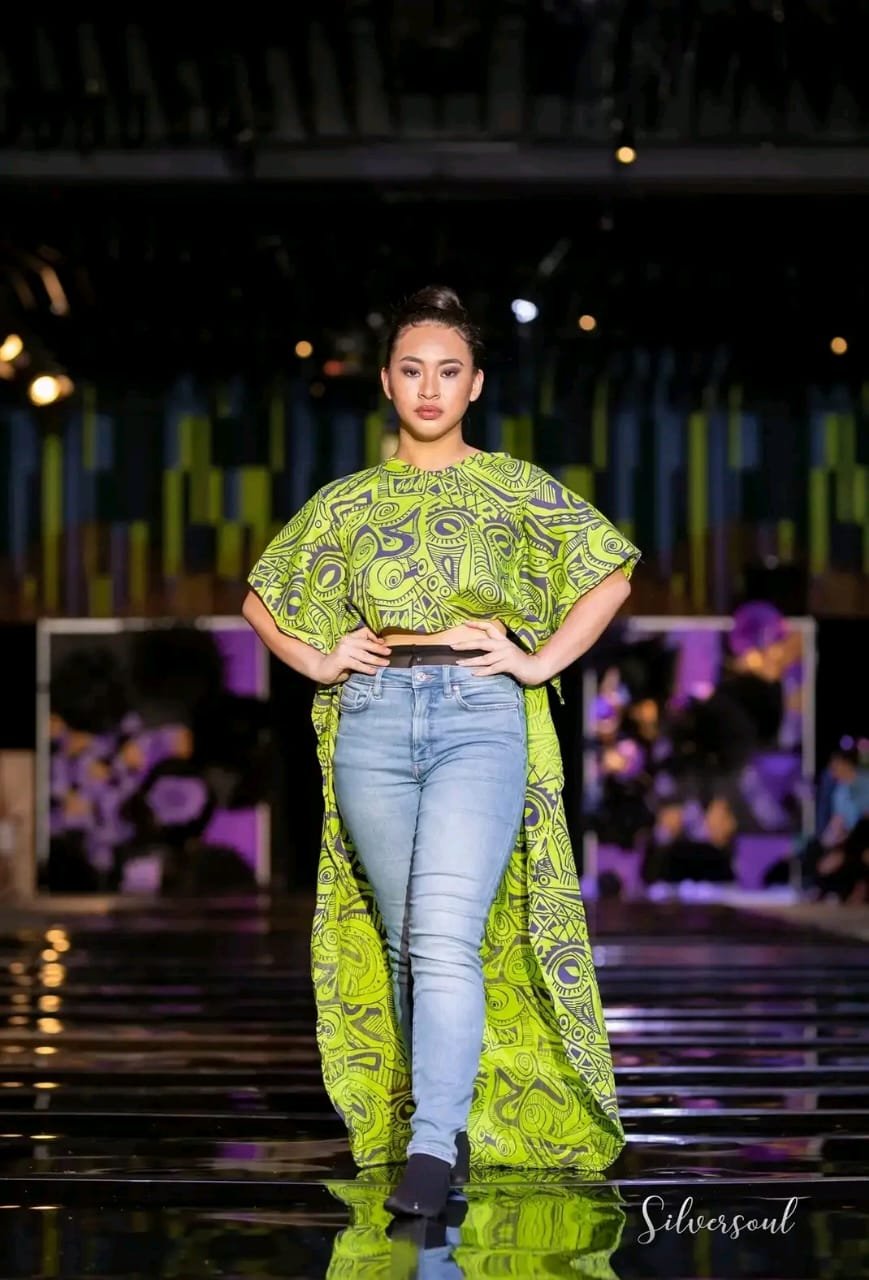
Her goal is always balance — preserving traditional symbolism while translating it into clothing that feels modern and wearable.
In doing so, she creates something powerful:
wearable cultural storytelling.
Fashion becomes a bridge between generations.
A way to carry heritage into everyday life.
“Our culture shouldn’t sit quietly in museums,” she says.
“It should live in the clothes we wear.”
THE EMOTION OF WEARING BILASIM
When someone wears a Bilasim piece, Atosh hopes they experience more than confidence.
She hopes they feel connection.
Connection to the land.
Connection to their ancestors.
Connection to the thousands of stories that make Papua New Guinea what it is.
Most importantly, she hopes they feel pride.
Pride that the garment was designed in PNG, printed in PNG, and tailored in PNG.
Because supporting local creativity is not just an economic choice.
It is a cultural one.
BALANCING MOTHERHOOD AND ENTREPRENEURSHIP
Atosh Iyaro’s life moves between two demanding worlds.
The world of motherhood.
And the world of entrepreneurship.
Balancing both requires discipline, patience, and emotional strength.
“It’s never easy,” she admits.
But she has learned an important truth.
Balance is not perfection.
Balance is presence.
“When I’m with my children, I’m fully theirs,” she says.
“When I’m designing or working on the business, I give it my full focus.”
Motherhood grounds her.
Entrepreneurship challenges her.
Together, they shape the woman she is becoming.
THE FUTURE OF PAPUA NEW GUINEAN FASHION
Ask Atosh about the future of PNG fashion, and her voice fills with optimism.
She believes the next decade will bring something remarkable.
More designers.
More cultural innovation.
More global recognition.
“I see Papua New Guinea becoming a recognised force in the global fashion scene,” she says.
And if she could place Bilasim anywhere in the world?
Her answer comes without hesitation.
Paris Fashion Week.
The most iconic runway in the fashion world.
A place where fashion’s most powerful stories are told.
And one day, she hopes Papua New Guinea’s story will be among them.
A MESSAGE FOR YOUNG WOMEN
To young women in Papua New Guinea dreaming of building their own businesses, her message is clear.
Do not wait.
Perfection is a myth.
“Start small,” she says.
“Put God first. Believe in yourself. Stay consistent.”
Because courage is more powerful than resources.
And every dream begins with the decision to begin.
A LEGACY FOR HER CHILDREN
Atosh Iyaro does not measure success only by sales or recognition.
She measures it by something far deeper.
One day, her children will grow older.
They will look back at her work.
And they will understand what she was trying to do.
She was protecting something.
The stories of her people.
The colours of her culture.
The pride of Papua New Guinea.
Through Bilasim, she is weaving those stories into fabric.
And in doing so, she is leaving behind something far greater than clothing.
She is leaving legacy.