JOHNNY YAWARI | CARRYING A VILLAGE, BUILDING A LEGACY
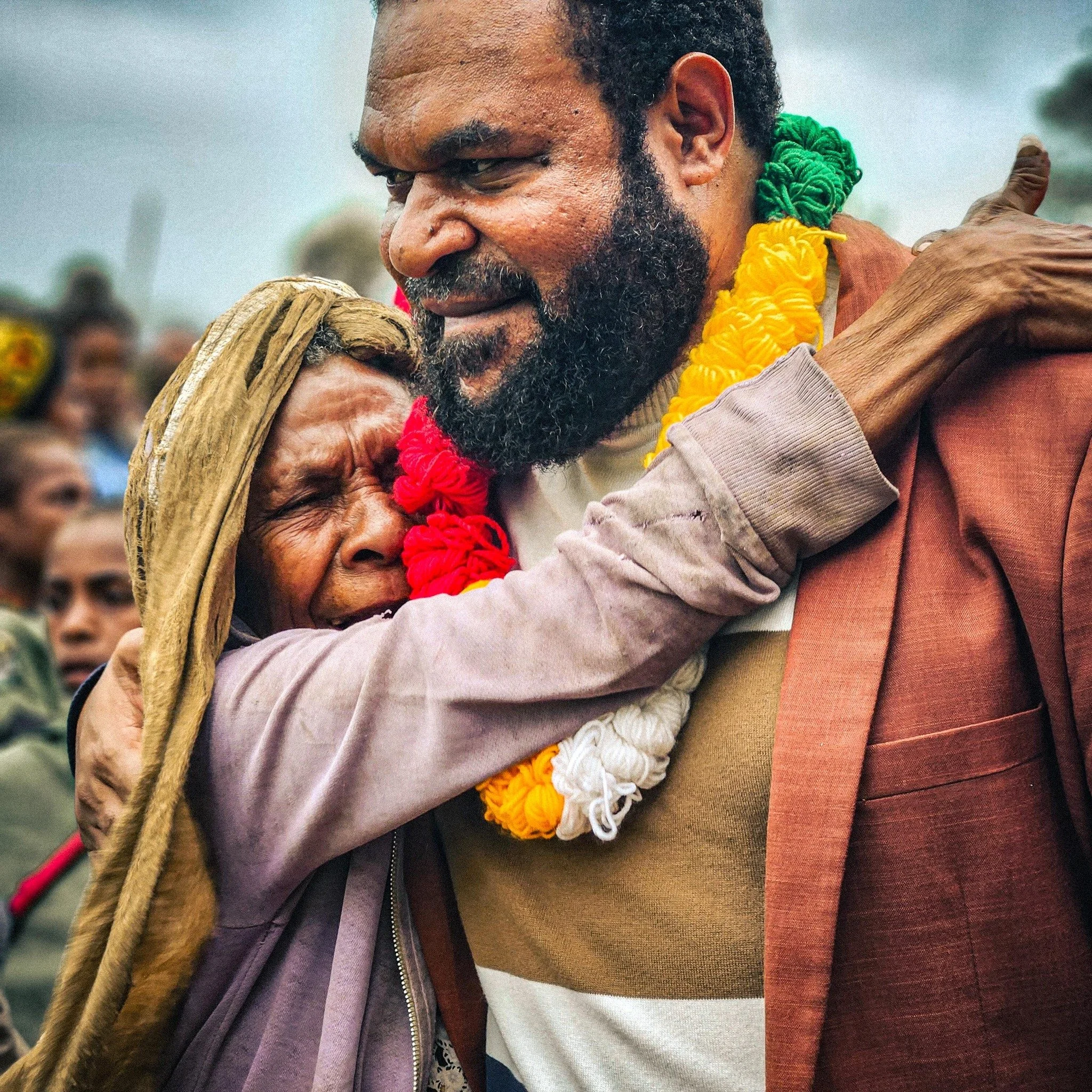
Held in the arms that shaped him—this is where legacy begins and where it always returns.
Image courtesy of Johnny Yawari (Facebook).
Long before the stages, the crowds, and the recognition that would one day follow his name, Johnny Yawari’s story began in a quieter, humbler world—one that moved not at the pace of technology, but at the rhythm of people, place, and purpose. It was a time before mobile phones, before digital platforms could amplify a voice overnight. Back then, life was slower, but in many ways, it was more grounded.
It was in this environment, shaped by simplicity and struggle, that Johnny’s identity was formed.
Growing up in Papua New Guinea, in a family held together by discipline, faith, and determination, Johnny was surrounded by the realities of hard work from an early age. His parents, both public servants, navigated the long and often difficult paths of providing for their family, travelling up and down the ranges, carrying not just their responsibilities, but the hopes of a better future for their children. Life was not always easy, but it was rich in something far more enduring than comfort—it was rich in values. Community mattered. Family mattered. Culture mattered. And above all, becoming “somebody” was not just a personal ambition—it was a shared expectation.
It was within the church that Johnny first found his voice. Not in the sense of fame or performance, but in service. The church became his training ground, a place where music was not about recognition, but about contribution. He learned to play the piano, not for applause, but to support something greater than himself. Through church ministries and crusades, travelling and playing wherever he was needed, he began to understand music not just as sound, but as connection. It was there, in those early moments, that something deeper took root—a quiet but powerful realization that music could carry meaning far beyond melody.
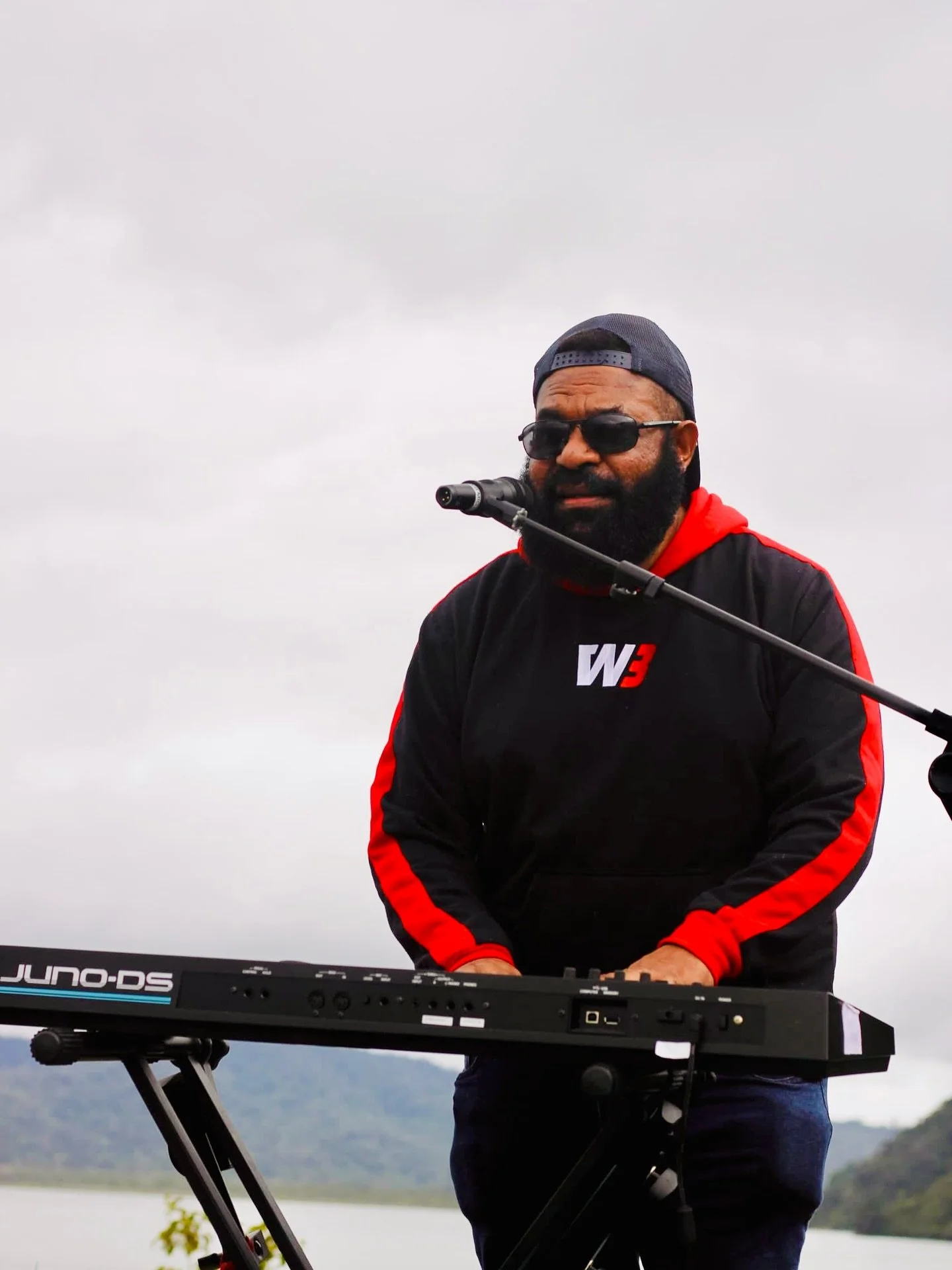
As he grew older, that understanding evolved into something more intentional. What began as simple sessions at home—playing the keyboard among friends, experimenting with sounds, sharing moments—slowly transformed into the beginnings of something bigger. Encouraged by those around him, Johnny began to record. There were no grand studios, no industry backing, no blueprint for success. Just instinct, passion, and a willingness to try.
From those early recordings, the foundation of what would become Wame Blood was laid. But even then, it was never just about forming a music group. It was about identity. The name itself carries weight—“Wame,” rooted in the idea of brotherhood, and “Blood,” representing lineage, ancestry, and belonging. Together, they form more than a brand; they form a statement. For Johnny, Wame Blood was a way of saying: we are not just individuals trying to be heard—we are a people, a place, a story that deserves to be known.
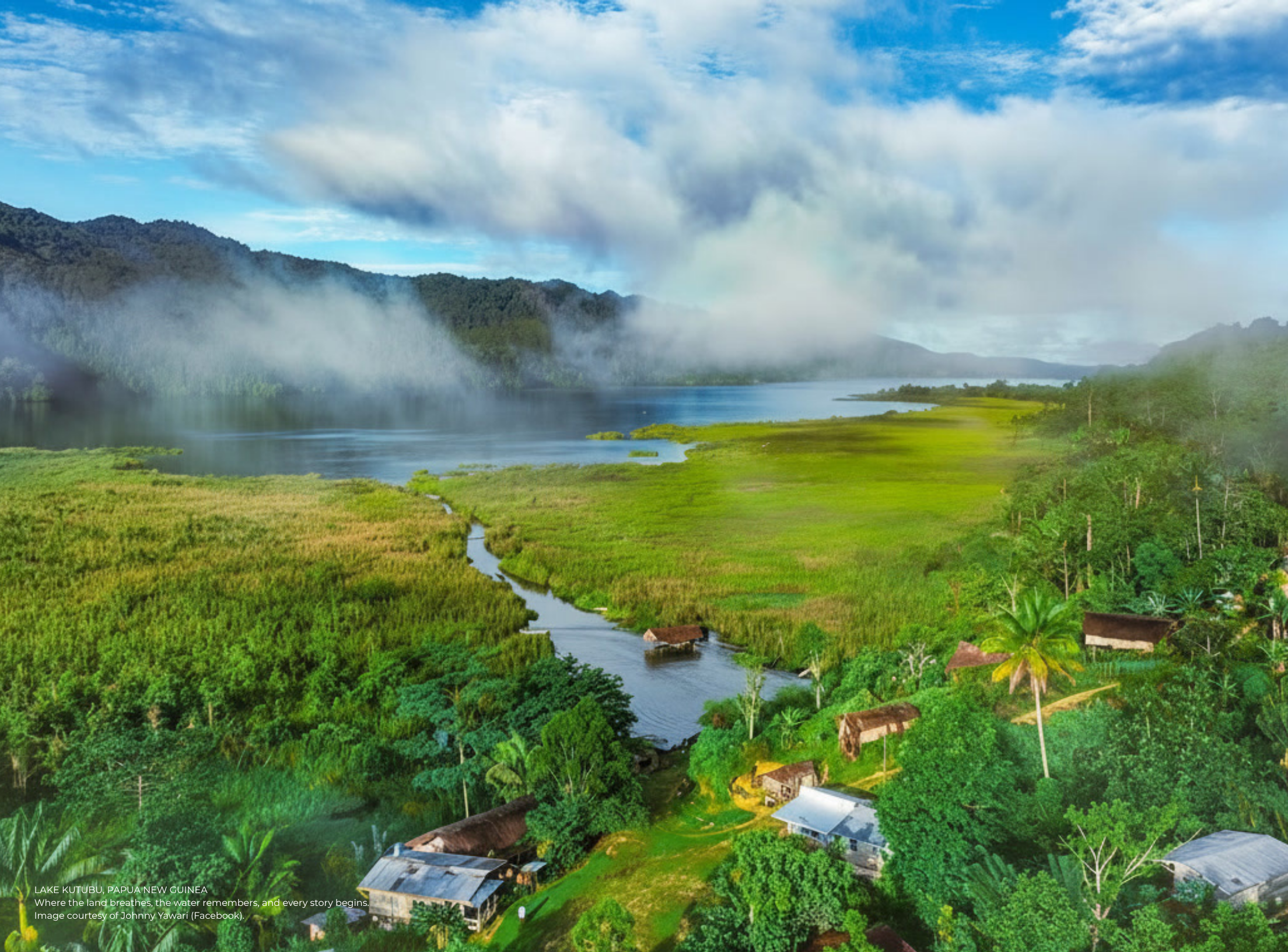
LAKE KUTUBU, PAPUA NEW GUINEA
Where the land breathes, the water remembers, and every story begins. Image courtesy of Johnny Yawari (Facebook).
At the heart of that story is Lake Kutubu, Johnny’s home. Before his music reached audiences, it was a place largely unknown to many beyond its immediate region. People did not know the lake, its ecosystems, its stories, or even the communities that lived there. They knew the larger, more visible parts of Papua New Guinea, but not the smaller, deeply rooted places that carried just as much life, culture, and significance. Johnny saw that absence not as a limitation, but as an opportunity. Through his music, he began to introduce the world to Kutubu—not through explanation, but through experience. His songs became windows into a place that had long been overlooked, capturing its landscapes, its spirit, and its identity in ways that resonated far beyond geography.
The breakthrough did not come through polished industry pathways. It came through authenticity. Early songs, recorded with limited resources and shared through local connections, began to find their way onto radio. One of the first tracks, performed in a local language that many listeners did not even understand, began to climb the charts. It was unexpected, almost improbable. But it revealed something important: people do not always need to understand every word to feel something real.
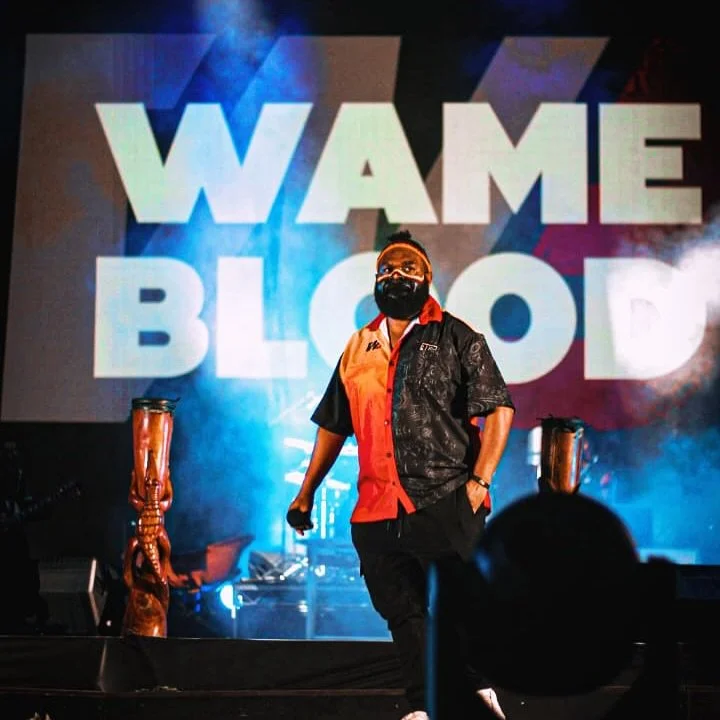
That momentum carried into what would become defining moments in Johnny’s career. Songs created quickly, sometimes in a matter of minutes, driven more by emotion than perfection, began to resonate on a national level. Tracks climbed to the top of the charts, holding positions for weeks, earning recognition and awards, and reaching audiences not just across Papua New Guinea, but throughout the Pacific. What started as a small, local effort had grown into something undeniable.
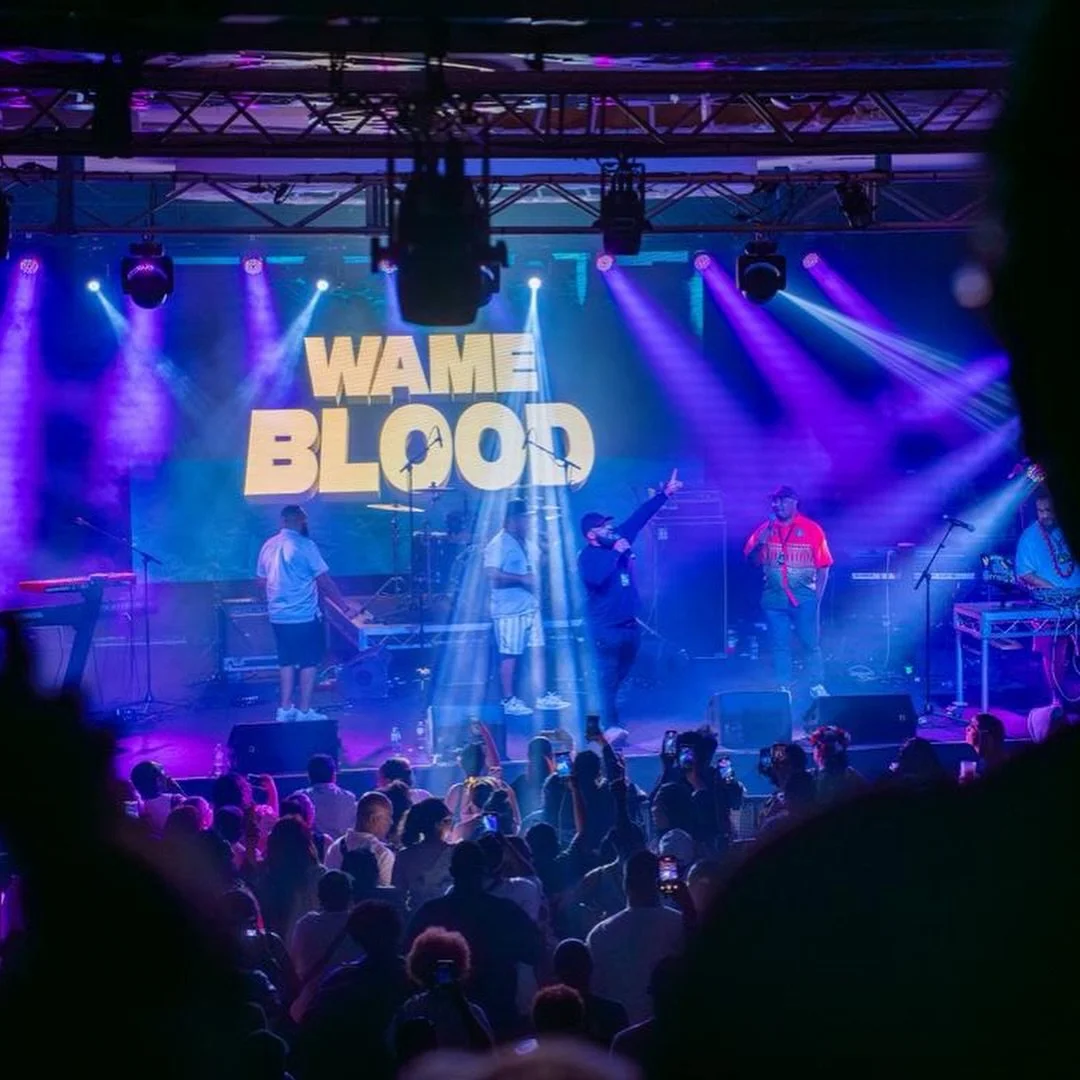
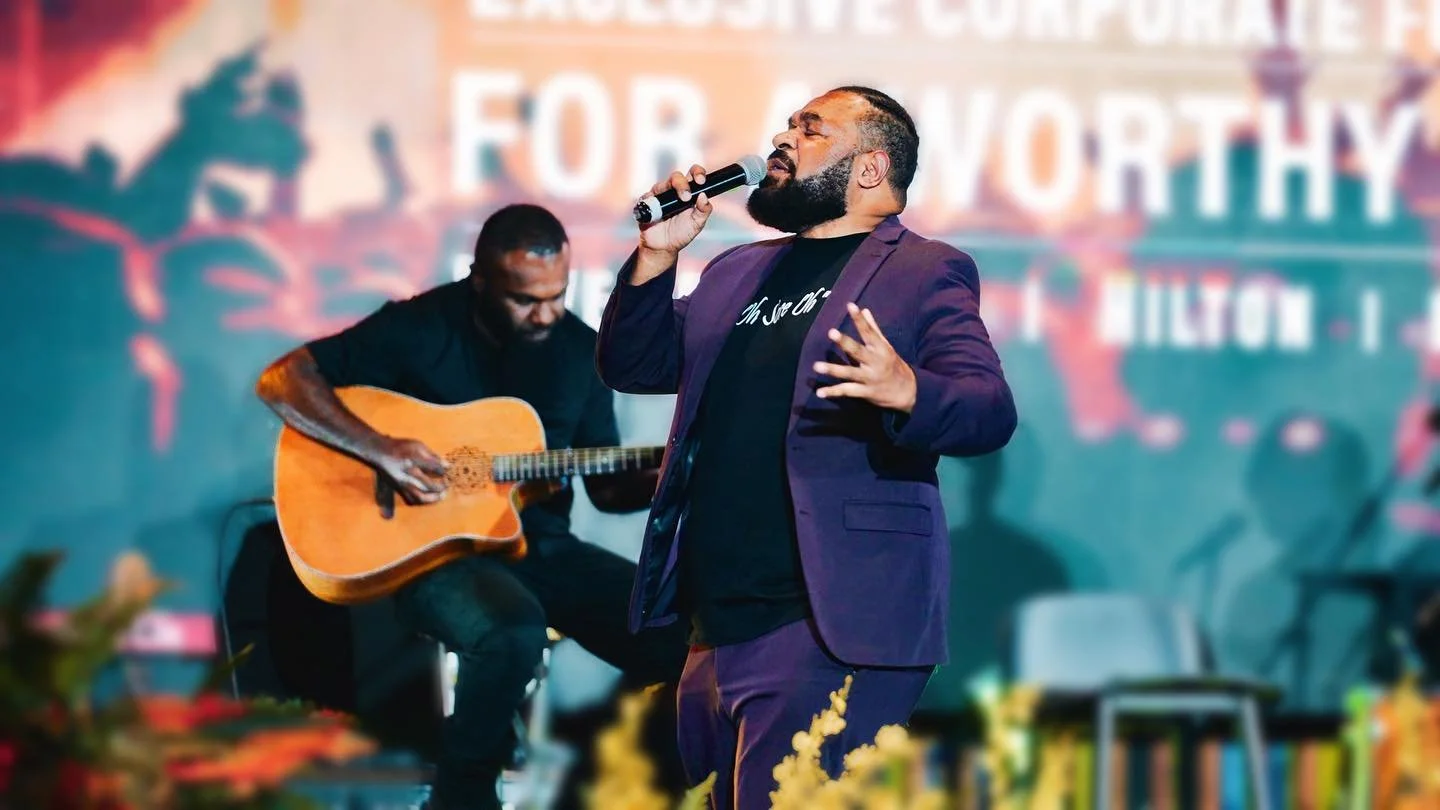
Yet, the journey was never without its challenges. Not every song succeeded. Not every attempt was met with praise. There were criticisms, setbacks, and moments of doubt. But what defined Johnny was not the absence of struggle—it was his response to it. The belief remained steady: you do not stop. You learn, you adjust, and you keep moving. Success is not built on perfection; it is built on persistence.
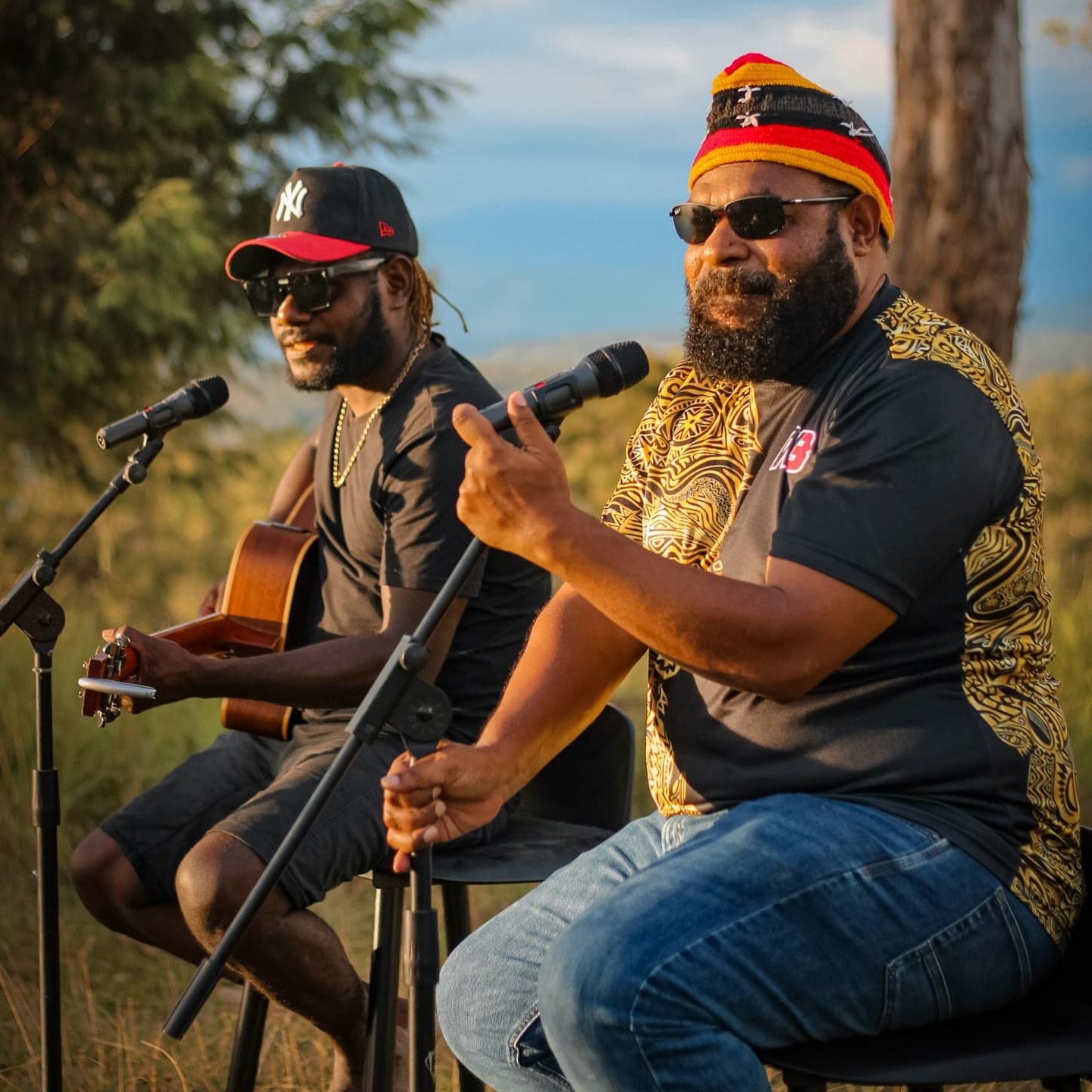
As his music evolved, so too did his vision. Johnny began to explore different genres—Island reggae, R&B, pop, rock—understanding the importance of reaching broader audiences while maintaining authenticity. For him, growth did not mean abandoning roots. It meant expanding possibilities. Even as his sound adapted to global influences, the core remained unchanged: the music had to reflect where he came from. It had to carry the language, the stories, and the identity that shaped him.
This balance between local authenticity and global relevance is what sets Johnny apart. In a world where many artists feel pressure to conform to international standards, he has chosen a different path—one that invites the world in, rather than stepping away from his origins. His work proves that identity is not a barrier to success; it is the very thing that makes success meaningful.
Beyond music, Johnny’s understanding of influence runs deeper. He sees music not just as entertainment, but as a force capable of shaping society. He speaks of its power to unite people, to influence leaders, to create moments of collective understanding. History has shown that music can transcend boundaries, and Johnny believes that Papua New Guinea has a place within that global narrative. His ambition is not simply to be heard—it is to ensure that his culture, and the cultures of others like him, are recognized and respected on the world stage.
But perhaps what makes his story most compelling is what happens when the music stops. Johnny’s life extends far beyond performance. He is actively involved in his community, investing in projects that create real, tangible impact. From supporting schools with resources like solar lighting to contributing to local development initiatives, he channels his success into something that benefits others. For him, time is too valuable to waste on distractions. His focus remains clear: to build, to contribute, and to create change where it matters most.
In recent years, his vision has expanded even further. Wame Blood is no longer just a music group—it is becoming a brand, a movement, a platform for something larger. Johnny understands that true influence requires more than talent; it requires structure, strategy, and the right people to bring a vision to life. He speaks openly about building something that can stand alongside global brands, not by imitation, but by authenticity and purpose. It is a bold vision, but one grounded in experience and belief.
At the same time, he remains acutely aware of the challenges facing artists in Papua New Guinea. In a rapidly digitizing world, opportunities are expanding, but systems to support artists—particularly in areas like monetization and industry infrastructure—are still developing. Johnny sees this not as a barrier, but as the next frontier. His goal is not only to elevate his own career, but to create pathways for others—to ensure that future artists can not only be heard, but can also build sustainable livelihoods from their work.
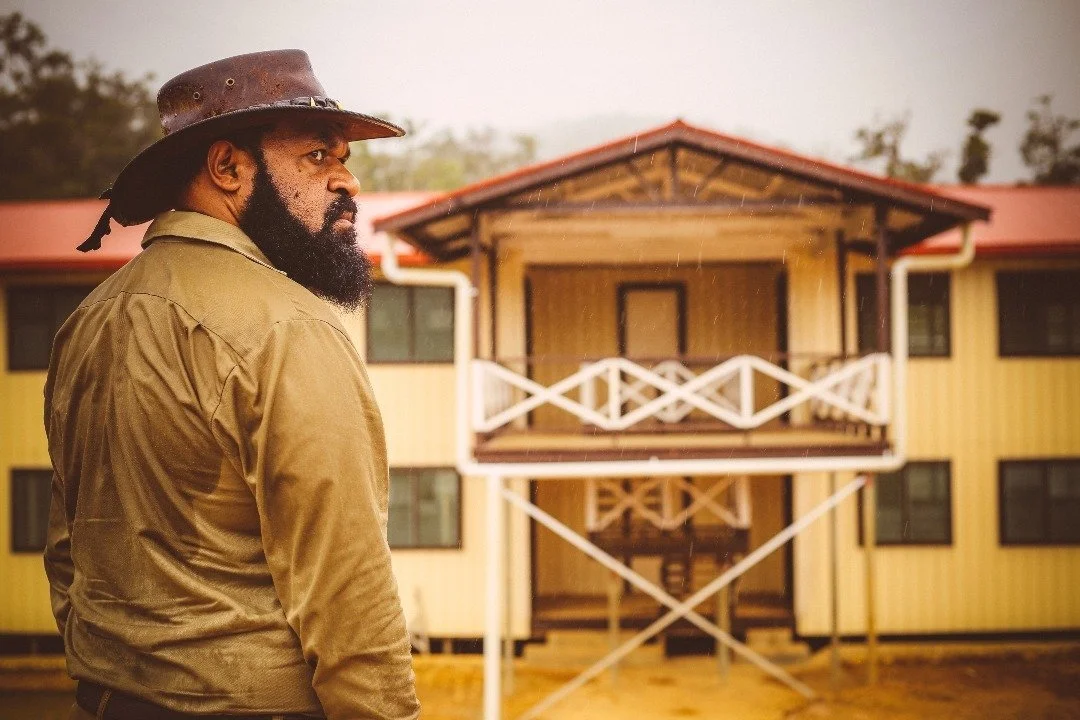
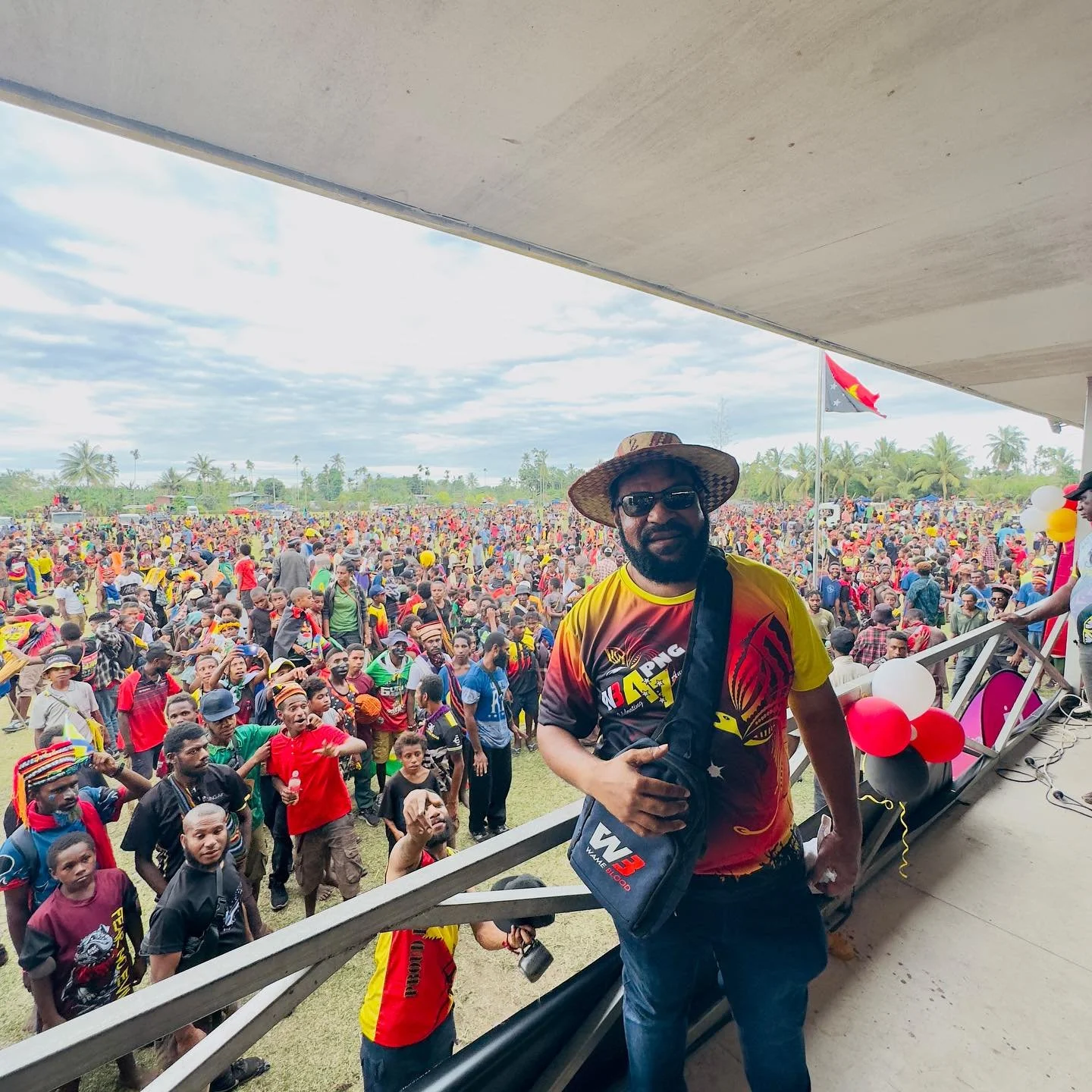
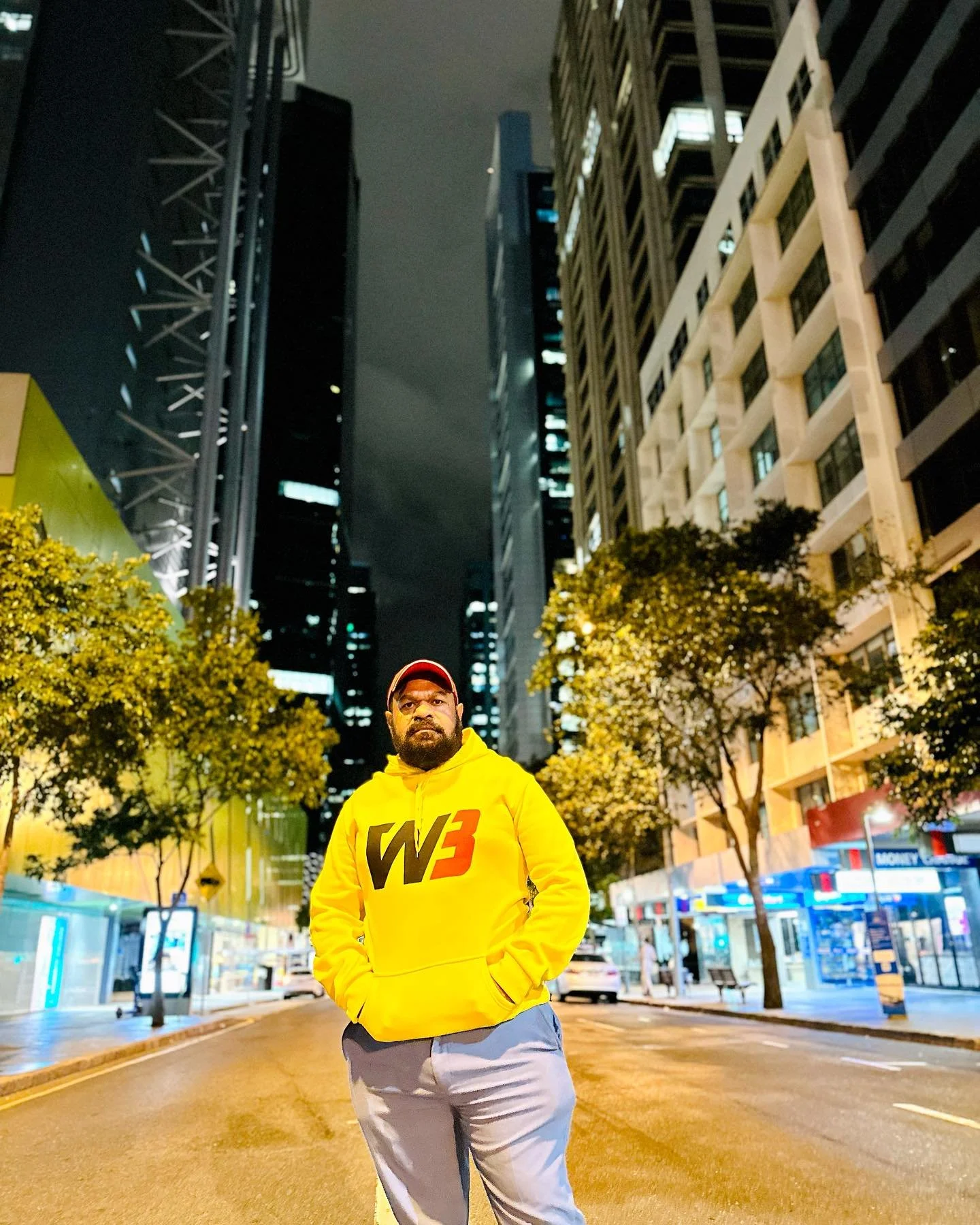
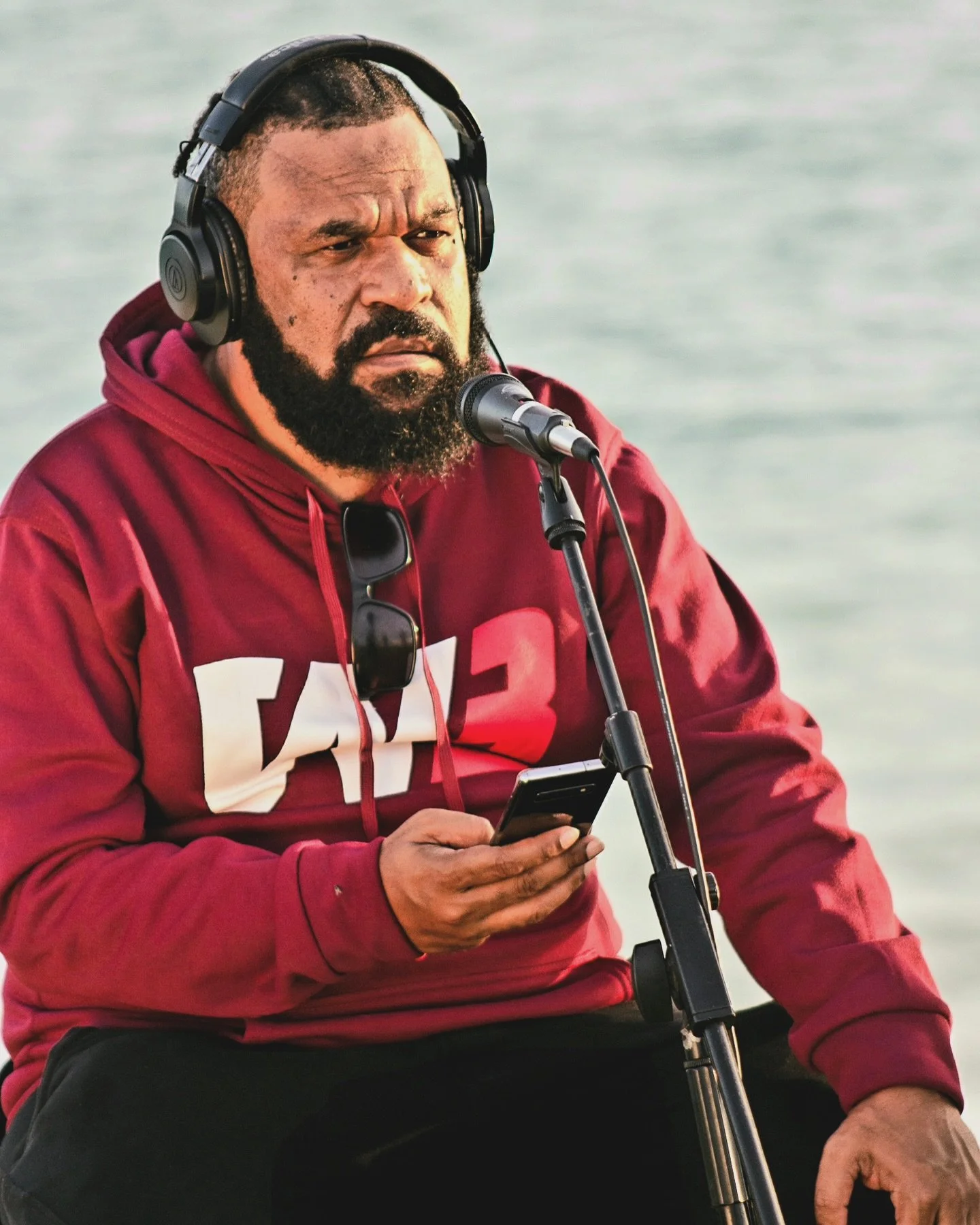
A man shaped by where he comes from—standing in the places that built him, carrying the weight of story, strength, and legacy.
Image courtesy of Johnny Yawari (Facebook).
At the centre of it all, Johnny Yawari remains deeply connected to the values that shaped him. His greatest influence is not fame or recognition, but family—particularly his father, whose example continues to guide him. The lessons of discipline, humility, and responsibility remain present in everything he does. No matter how far his reach extends, he carries those foundations with him.
Johnny’s story is not simply one of success. It is a story of purpose. It is about what happens when someone chooses to represent not just themselves, but their entire community. It is about what it means to carry a place, a people, and a culture into spaces where they have never been seen before.
In every song, every project, and every step forward, he is doing more than building a career—he is building a legacy.
And in doing so, he is reminding the world of something powerful: that even the most remote places, the most unheard voices, and the most overlooked stories have the ability to rise, to resonate, and to redefine what is possible—if someone is willing to carry them.