DELILAH GONI: WEAVING HIGHLANDS HERITAGE INTO FASHION
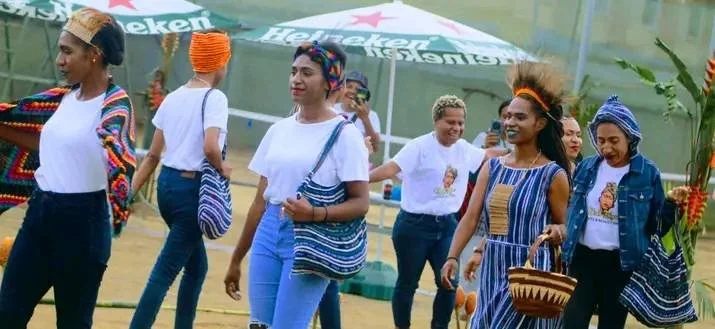
In the Highlands of Papua New Guinea, culture is not something kept on display — it is something lived every day. It is carried on the back, worn with pride, and passed from generation to generation through tradition, craft, and community. For designer Delilah Goni, fashion is an extension of that way of life.
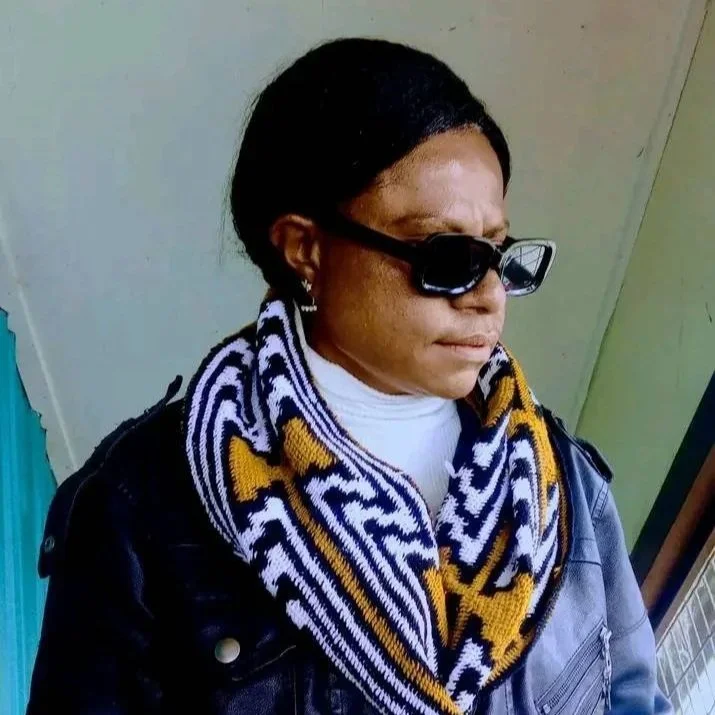
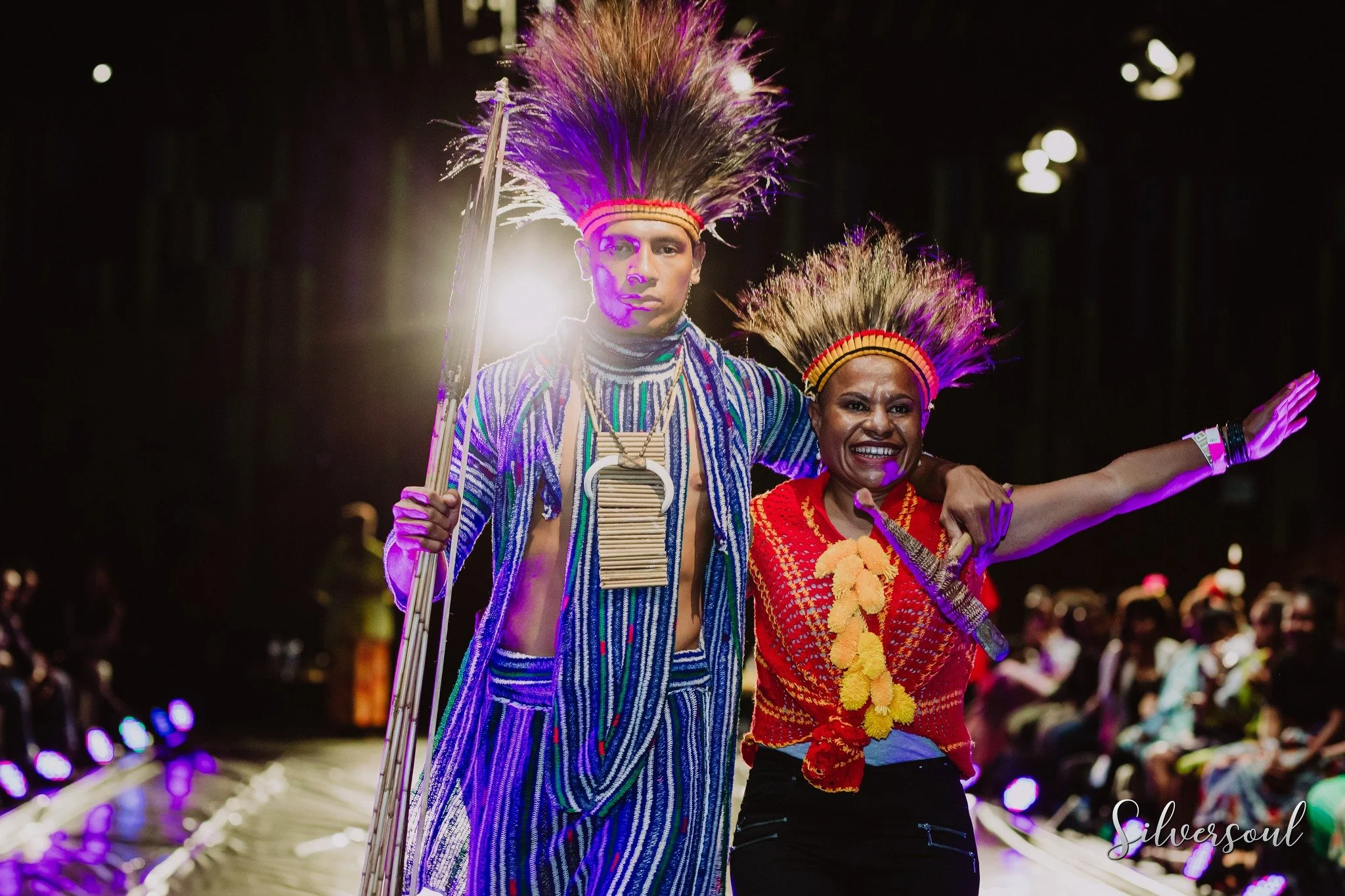
Proudly representing Mount Hagen in Western Highlands Province, Delilah’s work is deeply rooted in the cultural traditions of the Highlands. At the heart of her designs is one of Papua New Guinea’s most powerful cultural symbols: the bilum. For Highlanders, the bilum is far more than a bag. It is a symbol of identity, resilience, and pride. Worn and carried by both men and women, bilums have long been part of everyday life across the Highlands.
“Bilum is carried by almost everyone with pride,” Delilah explains. “It is a tradition that will never die.”
Today, bilums are not only cultural artifacts but also powerful economic tools. Across Papua New Guinea, bilum-making has become one of the strongest drivers of small business and SME activity, empowering women and communities to generate income through traditional craftsmanship.
Every year new bilum styles emerge, evolving with creativity while remaining deeply connected to tradition.
Inspired by Family and Heritage
Behind Delilah’s creative journey stands the most important influence in her life — her mother. “My mum is my inspiration,” she says simply.
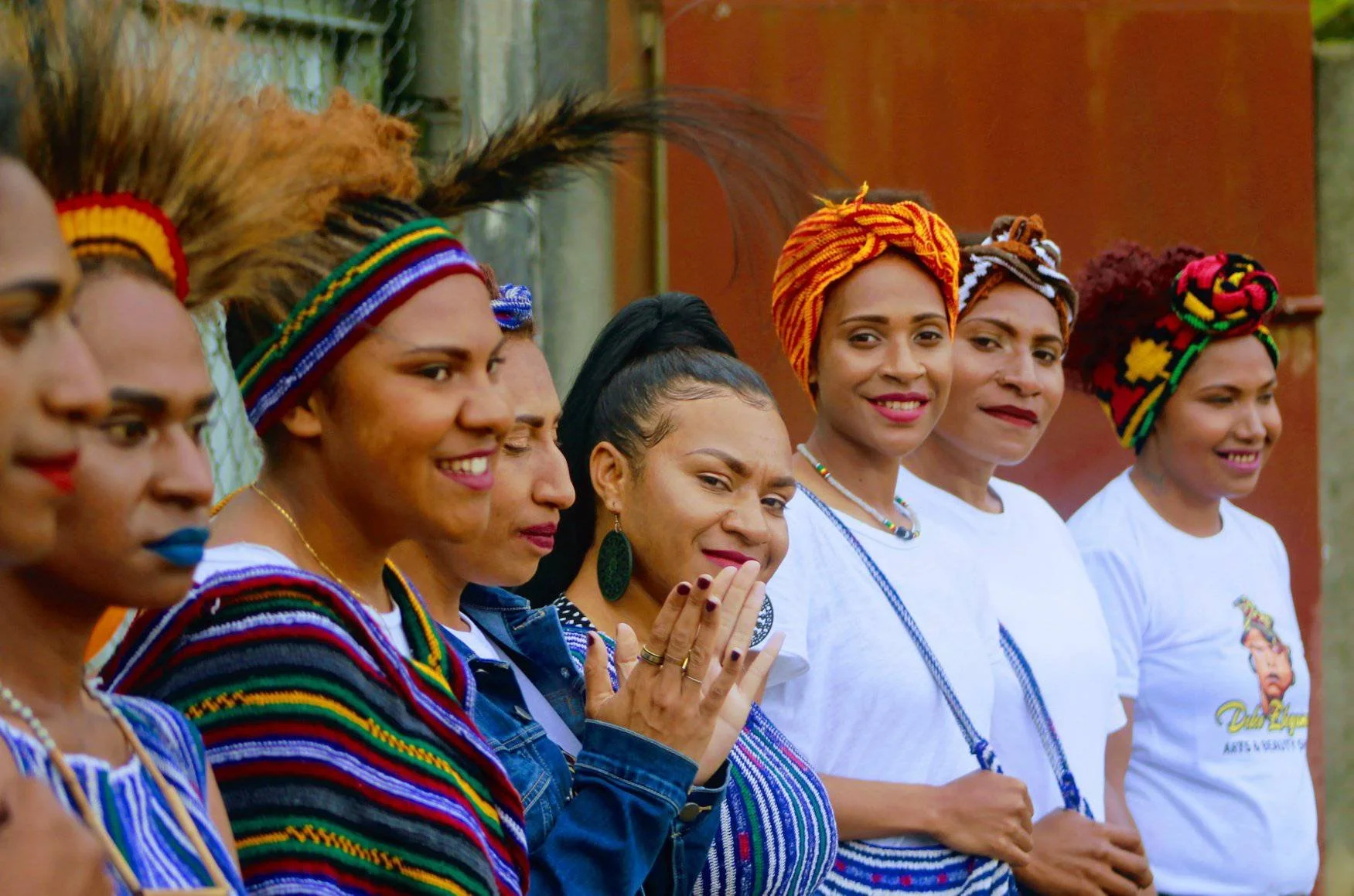
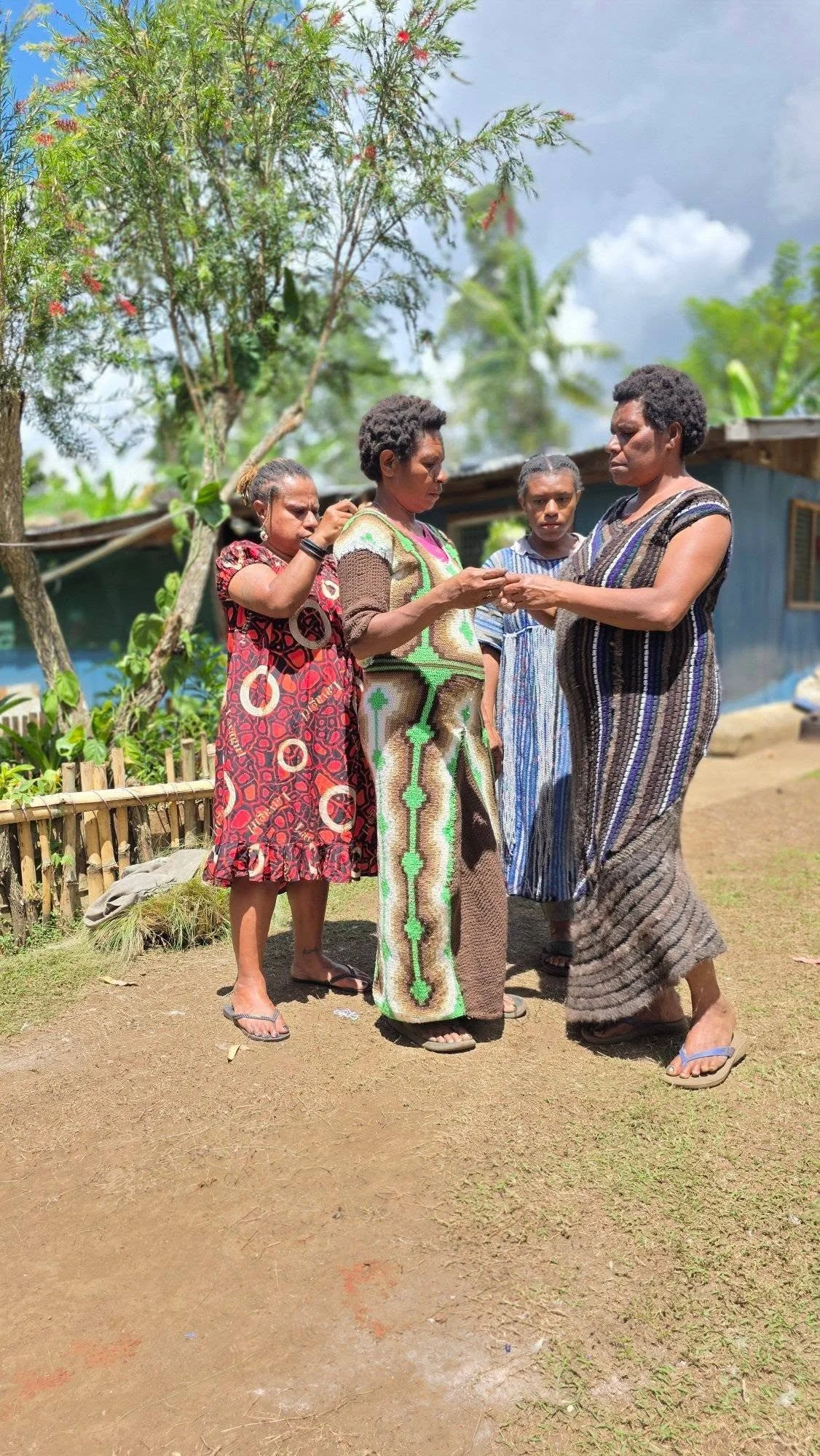
Creativity is something that flows naturally through her family. Each member carries their own special talents, and growing up surrounded by artistry and craftsmanship shaped Delilah’s own creative spirit. That spirit can be seen clearly in the traditional materials and cultural elements she incorporates into her work. Her designs celebrate the richness of PNG heritage through symbols and textures that tell powerful cultural stories.
Among the elements she often draws inspiration from are:
Bush bilum rope
Kina shells and cowrie shells
Bow and arrow motifs
Stone axes and kundu drums
Pig tusks and pig teeth
Bird feathers
Traditional dyes
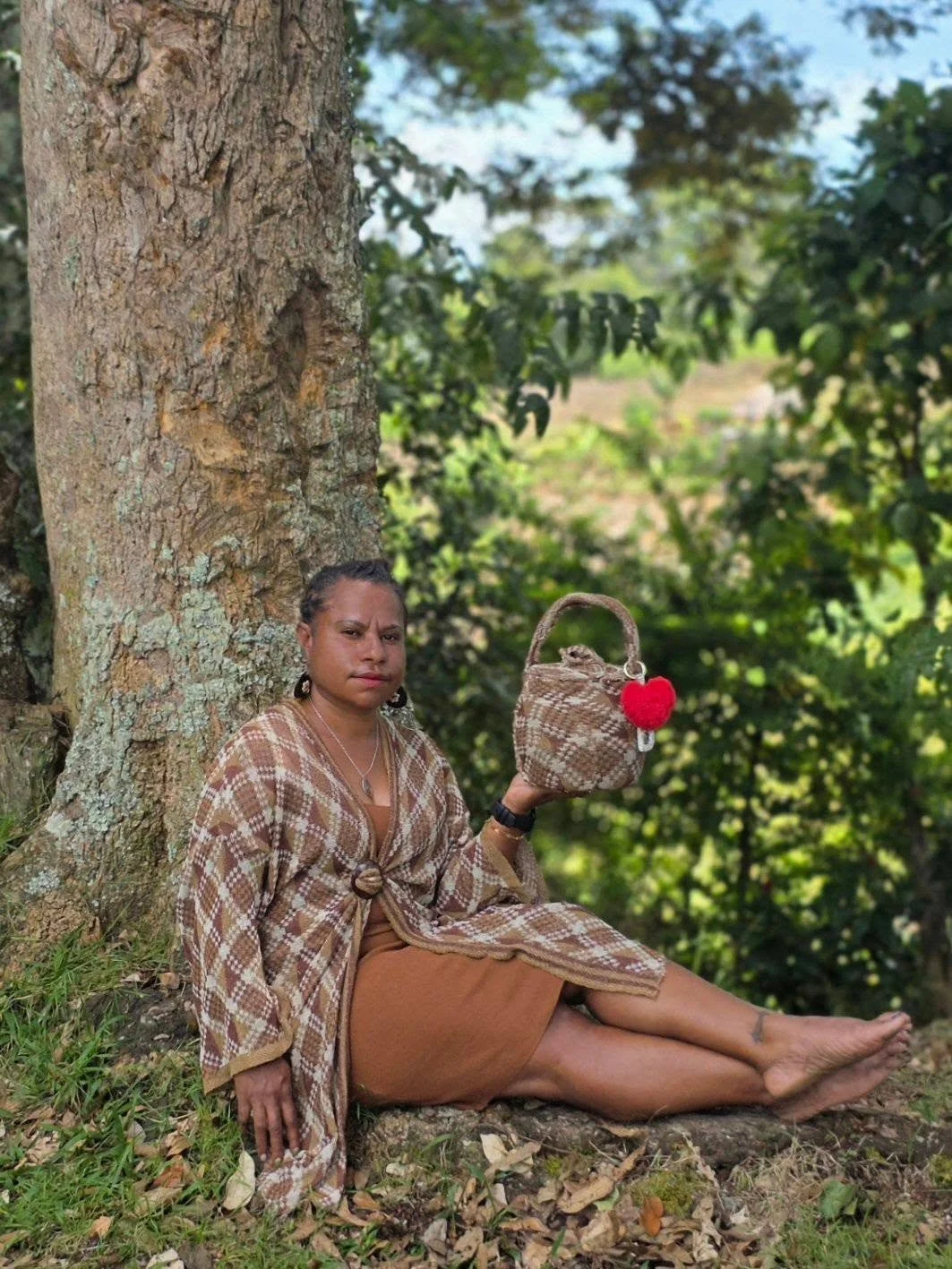
Cane baskets
Orchids
Each element represents a connection to culture, land, and tradition.
Recently, Delilah has also begun exploring cane basket inspirations, expanding her cultural references while continuing to honour the craftsmanship of traditional PNG materials.
Fashion for Everyday Life
While many designers focus on high fashion, Delilah’s vision is rooted in something more practical and powerful: everyday wear that celebrates culture.
Her designs are created to be comfortable, wearable, and meaningful — pieces that allow people to carry PNG culture proudly in their daily lives.
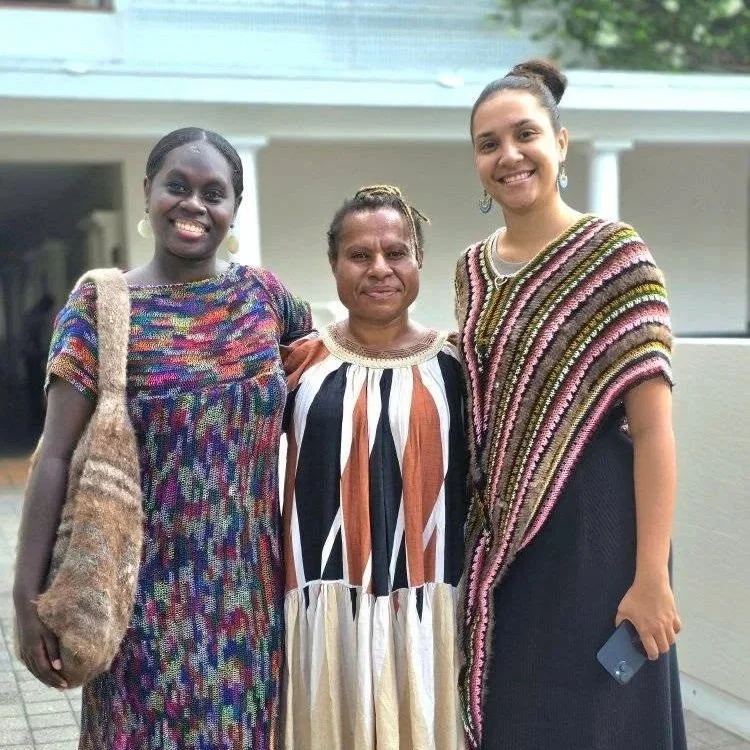
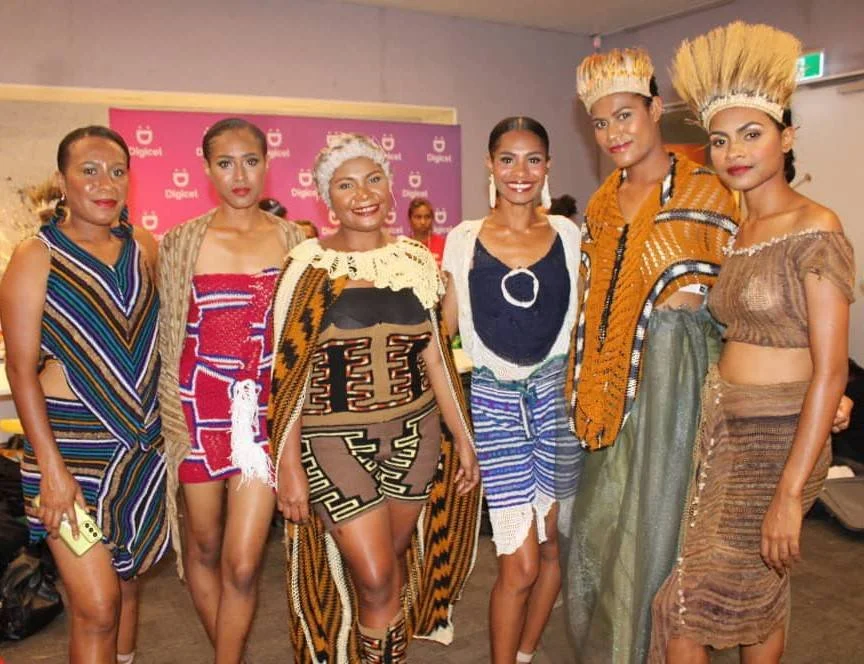
One of her signature innovations is the Bilum Head design, blending traditional bilum elements into contemporary clothing in a way that feels both unique and accessible.
“My designs are unique, but they are also comfortable for everyday wear.”
For Delilah, fashion is not just about style. It is about confidence, identity, and expression.
“I don’t just make clothes,” she says. “I make dreams come true through unique fashion that allows people to sparkle and shine every day while promoting PNG fashion.”
A Platform for Papua New Guinean Designers
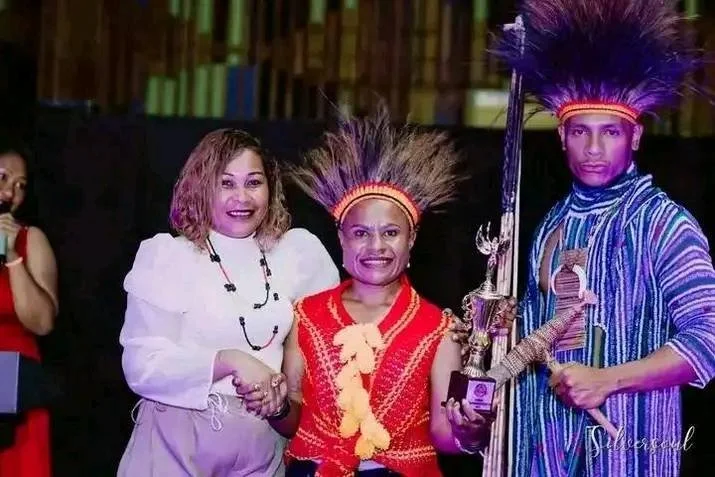
Delilah credits PNG Fashion Week as a major turning point in her journey as a designer. The platform has allowed her work to gain national exposure and connect with audiences across Papua New Guinea.
“PNGFashion Week tells a story — that we can use our gifts to create our own employment and promote PNG fashion.”
Beyond the runway, she believes fashion shows and creative competitions are vital opportunities for designers to grow, learn, and connect with others in the industry. “Competition helps us gain new ideas and build networks.”
Through these platforms, Delilah hopes more Papua New Guinean designers will find the courage to pursue their creativity and build businesses from their talents.
Fashion Without Words
For Delilah, fashion is a language in itself.
“PNG fashion is a way to say who we are as designers without having to speak.”
Through colour, pattern, and cultural symbolism, her designs communicate pride in Papua New Guinea’s heritage while celebrating the creativity of its people.
Her vision for the future is ambitious. Within the next three years, she hopes to see Delco’s Art — her brand — walking on international runways, bringing Papua New Guinean culture to global audiences.
The Challenges Designers Face
Like many creatives in PNG, Delilah has experienced the challenges that come with building a fashion brand in an emerging industry. One of the biggest frustrations she highlights is the issue of design copying, particularly on social media platforms where original ideas can easily be replicated without recognition.
“When others copy our designs while we struggle to sell them, it feels like we are giving away our ideas for free.”
She believes stronger support systems are needed for designers, including opportunities to sell authentic PNG art and fashion internationally. Her dream is to see PNG Designers and Arts & Crafts stores overseas, where local creations could be sold globally with proper recognition and tagging for designers.
With large PNG communities living overseas — particularly in cities like Brisbane — the demand for authentic PNG designs continues to grow.
A Creative Process Built on Instinct
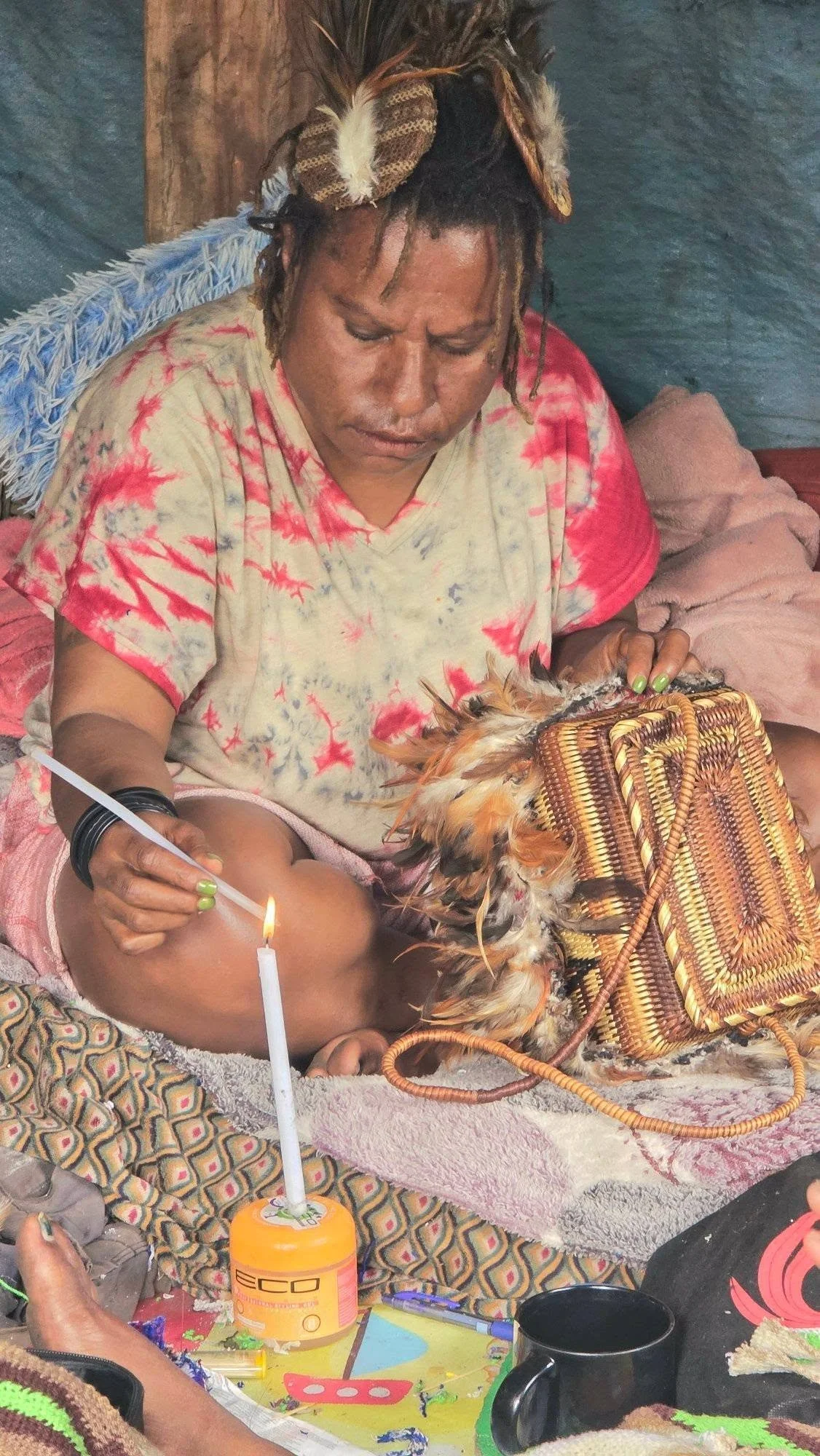
Unlike many designers, Delilah does not begin with sketches. Her creative process is entirely intuitive. “I don’t sketch my designs,” she explains. “I start with the fabric.”She plays with materials, bilums, and textures, imagining how the final piece will come together. From there, her hands begin to shape the vision into reality. “It’s like imagination becoming reality.”
Fashion is not something she turns on and off — it is something she lives every day. “I eat and breathe fashion.”
Motivational quotes, music, and a strong cup of coffee fuel her creative energy as she continues to design and innovate.
Beyond Fashion
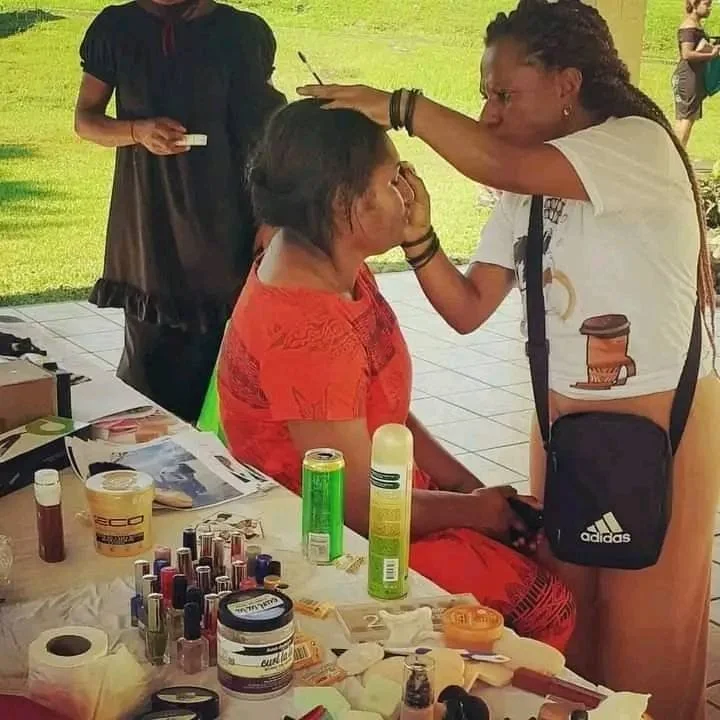
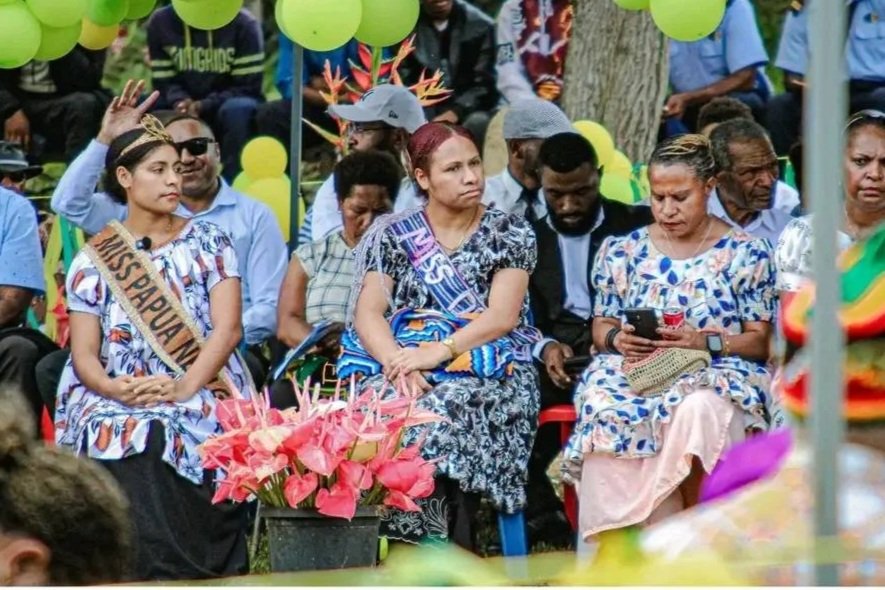
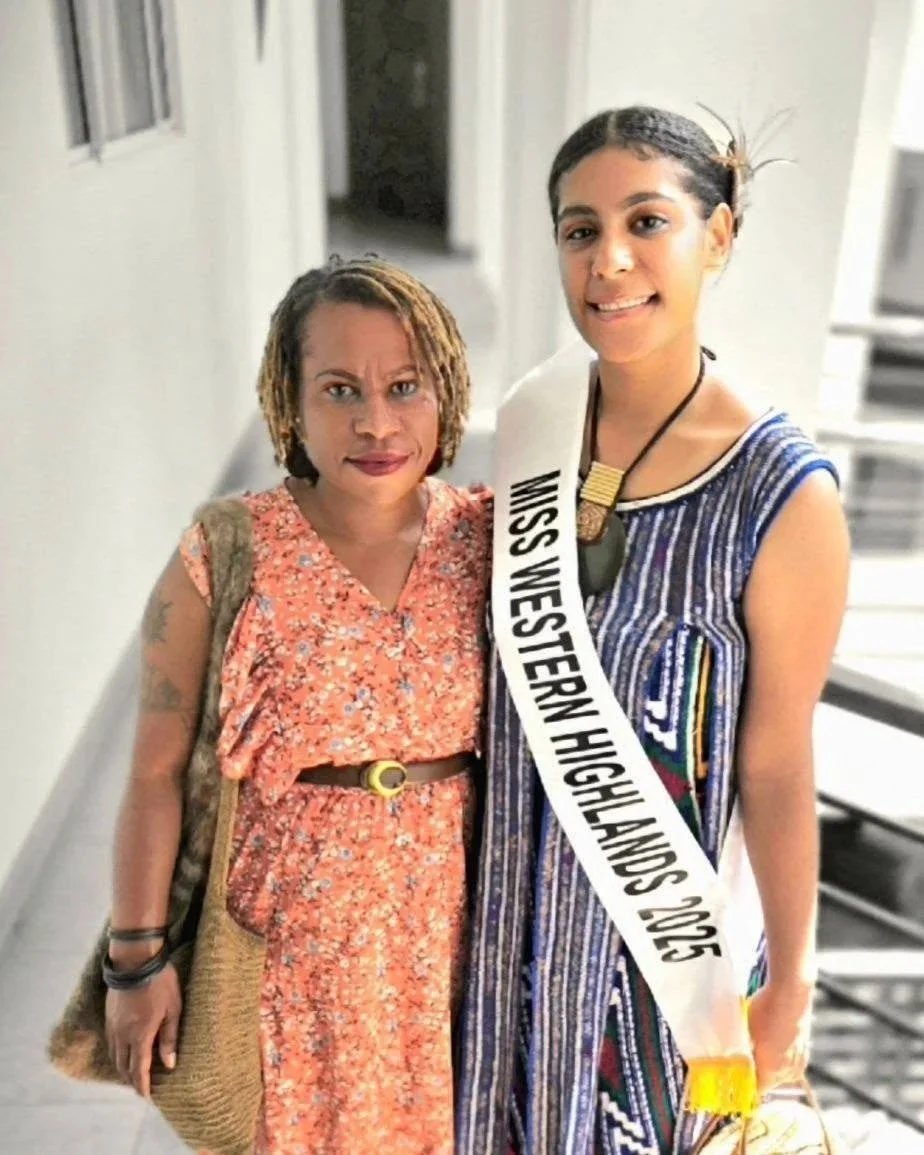
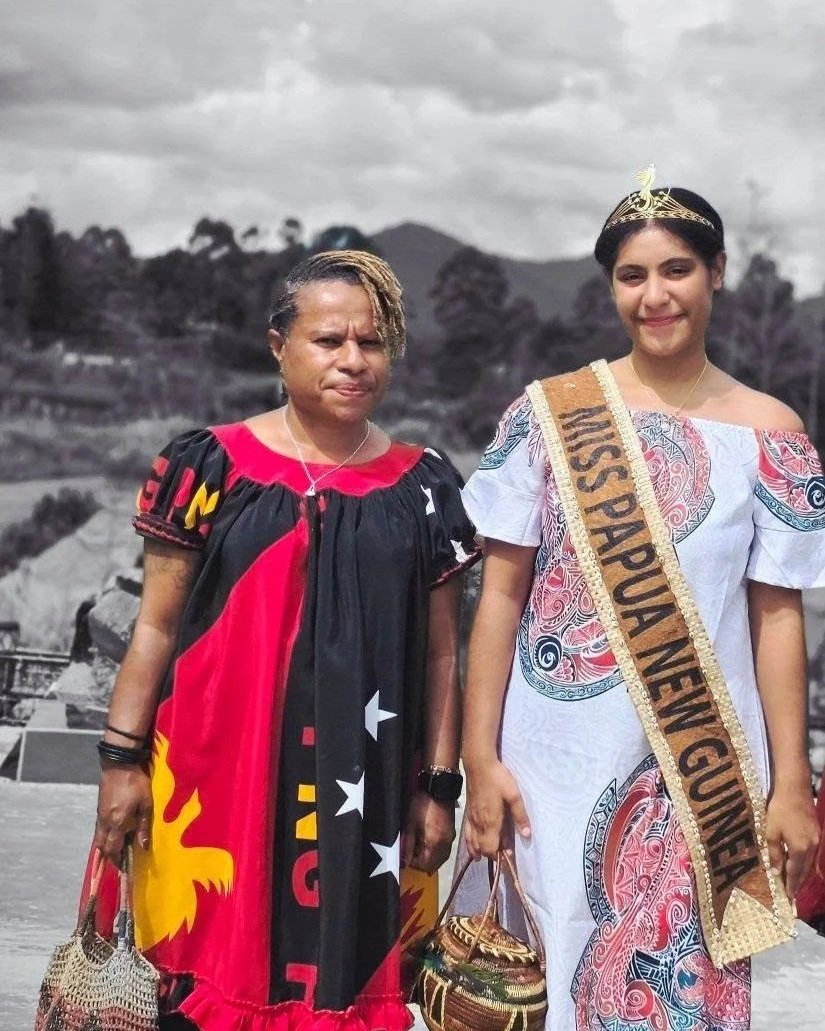
For Delilah, success is not measured only in personal achievement. One of her proudest moments came when Delco’s Art sponsored Miss Bird of Paradise Western Highlands contestant Miss Iampela Popena and three other sisters, demonstrating her commitment to supporting her community.
Her work has not only supported her own family but also contributed to the growth of others.
“I haven’t just invested in myself,” she says. “I have invested in strangers too.”
Her philosophy is simple but powerful: “Be your own kind of beautiful.”
Leaving a Legacy
When asked how she sees herself in the future, Delilah does not describe a designer chasing trends. Instead, she sees herself as a global fashion trendsetter, someone whose work will continue to represent Papua New Guinea proudly on the world stage. Her goal is not simply to create clothing. It is to leave something lasting.
“I don’t wear out,” she says confidently. “I leave a legacy.”
And through every bilum-inspired design, every cultural motif, and every piece that carries the spirit of the Highlands, Delilah Goni is doing exactly that — weaving culture, creativity, and community into the future of Papua New Guinea fashion.