FROM KUANUA ROOTS TO ISLAND ANTHEMS | HOW SAII KAY TURNED TOLAI ROOTS INTO PACIFIC RHYTHM
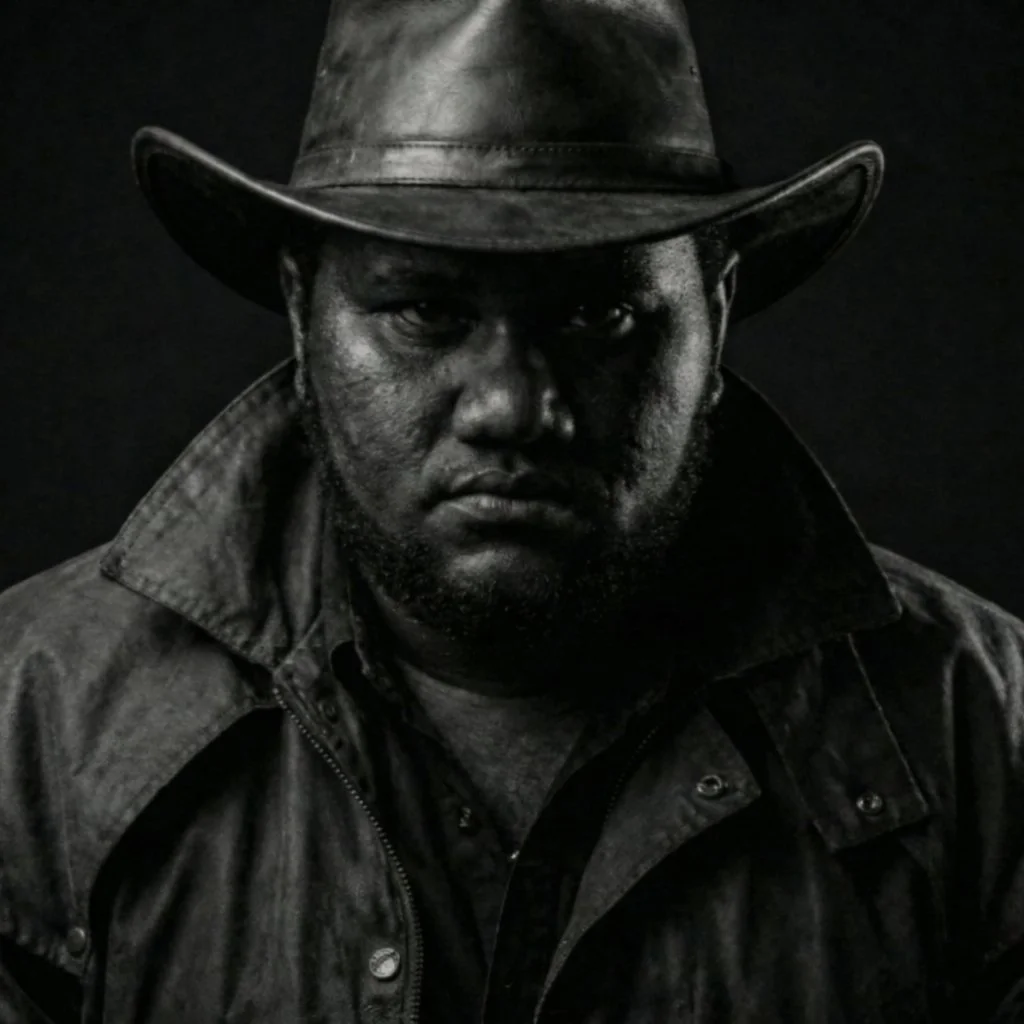
In Papua New Guinea, music does not begin in recording studios. It begins in villages, in churches, in the quiet spaces between ocean winds and coconut trees. It begins in places where electricity is rare, but rhythm is everywhere.
For Saii Kay, the journey to becoming one of Papua New Guinea’s most recognisable contemporary musicians did not start on a stage or inside a studio. It began in the simplicity of village life — a childhood that many would describe as humble, but which he remembers as profoundly rich.
There was no running water. No electricity. But there was a garden, chickens roaming freely, and the endless blue edge of the sea.
And there was music.
ROOTS BY THE SEA
The early memories of Sailas Kania feel almost cinematic in their quiet beauty.
A village life defined by rhythm rather than technology. Days measured by the tide. Nights illuminated by moonlight rather than street lamps.
The kind of upbringing that quietly builds resilience.
“We had a vegetable garden. We had chickens. We had the beach,” he recalls. “Life was simple. Not much to some people — but rich to me.”
It was a childhood that many urbanised societies might view as lacking, but for Sailas it created the foundation of his identity. The values of family, culture, humility and community would become the emotional backbone of his music.
And culture was never far away.
Sailas is proudly Tolai — one of the most culturally influential communities of East New Britain — and the rhythms of Tolai life would shape his creative instincts long before he ever recorded a song.
The Tolai people are known across Papua New Guinea for their strong traditions, language, and music culture. In a country with more than 800 languages and an incredibly diverse musical heritage, artists like Saii Kay represent a new generation blending tradition with modern Pacific sound.
His identity as a Tolai man is not something he leaves behind when he performs.
It is something he carries into every lyric.
“If you haven’t noticed,” he laughs, “I sing in Kuanua. That’s something I’ll never let go of. It’s my identity.”
Language, for him, is not just communication.
It is belonging.
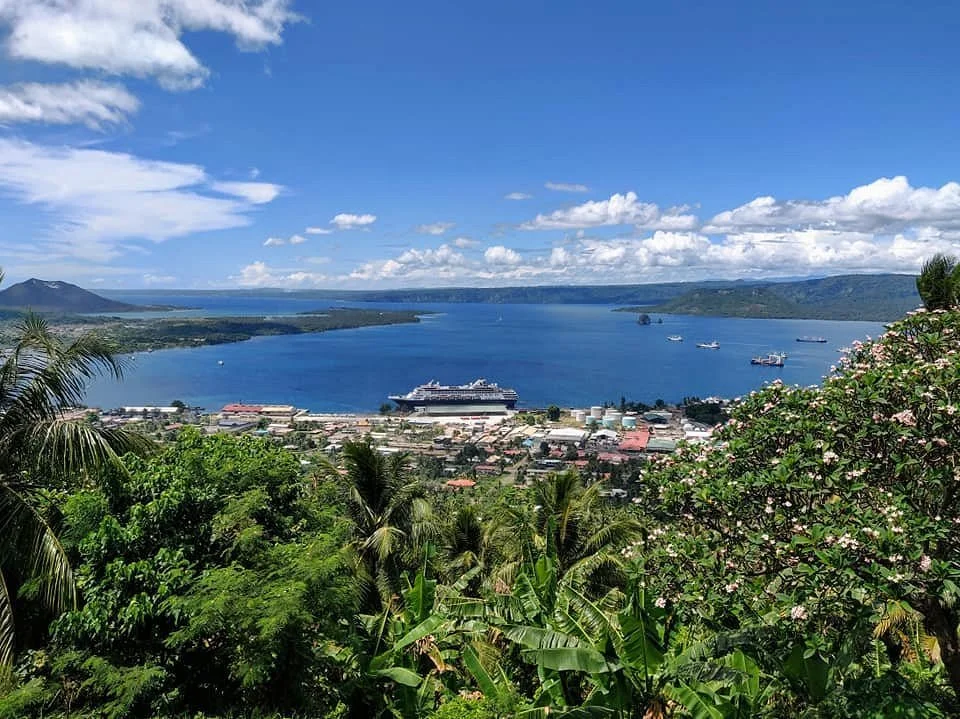
THE CHURCH THAT TAUGHT A BOY TO SING
Like many Pacific musicians, Saii Kay’s musical roots trace back to the church.
Across Papua New Guinea, church choirs are often the first place young voices discover harmony, discipline and confidence. For Sailas, those moments became the first training ground of his artistry.
“The first people who exposed me to music were those I went to church with,” he explains. “That’s where I started singing.”
But confidence didn’t come easily.
The image of a young Sailas secretly singing in the bush feels almost poetic.
He would walk far from home, deep into the trees, where no one could hear him.
There, alone with the wind and the sound of waves in the distance, he would sing as loudly as he could — imagining crowds that did not yet exist.
“I would go far away from the house and sing my heart out. That way no one would hear me,” he laughs.
But in his mind, the stage was already there.
He could already hear the applause.
THE BIRTH OF SAII KAY
Every artist has two identities.
The person they are in everyday life.
And the person they become on stage.
For Sailas Kania, the difference is almost dramatic.
“Sailas is shy,” he admits openly. “He doesn’t like speaking in front of big crowds.”
But Saii Kay?
That is someone else entirely.
“I wanted a stage name that would stick,” he explains. “Sailas Kania felt too long.”
So he shortened Sailas to Saii.
And Kay from Kania.
Saii Kay was born.
But the transformation was deeper than branding.
The stage name gave him permission to become the confident version of himself that music demanded.
“It's funny,” he says. “My confidence singing and not speaking needs to be studied.”
And perhaps that is the magic of music.
It allows people who struggle to speak their truth — to sing it instead.
THE FIRST STAGE — AND ALMOST FAINTING
Saii Kay’s first major performance in Port Moresby is the kind of moment that would terrify most young artists.
It was ENB Day in 2010.
The crowd was massive.
Thousands of people.
For a boy who once hid in the bush to sing alone, the experience was overwhelming.
“I almost fainted,” he recalls. “I felt anxious and nervous at the same time.”
But he did not leave the stage.
He stayed.
And that moment would become one of the defining memories of his early career.
Because fear, he realised, was simply part of the journey.
THE SONG THAT STARTED EVERYTHING
Every artist has a moment when they realise their music matters.
For Saii Kay, that moment arrived early.
His first recorded song — “Miss You Babe” — appeared on his father’s album.
Not only was it released.
It won an award.
For a young musician, that kind of recognition is life-changing.
It meant the dream he once whispered to the trees in the bush was no longer imaginary.
It was real.
THE STRUGGLE OF MAKING MUSIC IN PAPUA NEW GUINEA
Being a musician in Papua New Guinea is not easy.
In fact, it is one of the most challenging creative industries in the Pacific.
Recording one song alone can cost between K500 and K1000, an enormous investment for many independent artists. The financial risk is significant, especially when music piracy and free sharing make it difficult to generate income through sales.
“In PNG people don’t pay to listen to music,” Saii Kay says frankly.
“They send it around.”
As a result, many artists rely heavily on live performances to survive financially.
“If I sell a ticket for K50, I need to sell 20 tickets just to cover the cost of recording one song.”
And yet — despite the obstacles — artists like Saii Kay continue creating.
Because passion is stronger than economics.
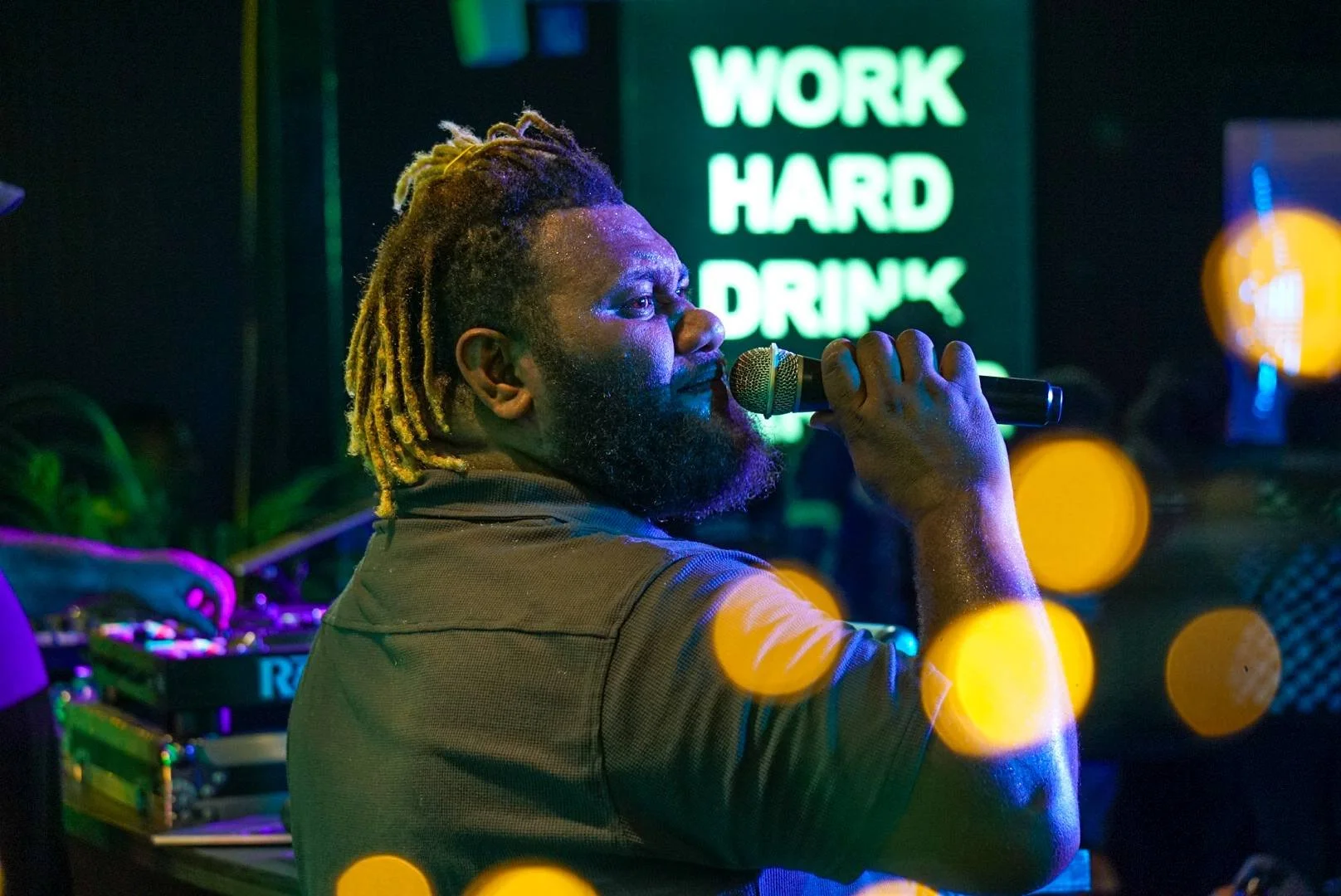
THE SONG THAT CHANGED EVERYTHING
Every musician has a defining track.
For Saii Kay, that song was “Loneliness.”
The track became a breakthrough hit — climbing to number one on the countdown and earning him an award.
But the reason audiences connected with it was deeper.
It spoke about heartbreak.
And heartbreak is universal.
“People like music they can relate to,” he says.
“Almost all of us have gone through one bad breakup.”
And suddenly, listeners across Papua New Guinea heard their own stories inside his lyrics.
MUSIC THAT TRAVELS ACROSS OCEANS
Today, Saii Kay’s music has travelled far beyond the shores of Papua New Guinea.
He has performed across the Pacific and Australia — bringing the sound of PNG to diaspora communities who carry deep emotional connections to home.
Countries he has performed in include:
• Australia
• Solomon Islands
• Vanuatu
For Papua New Guineans living overseas, his music becomes something powerful.
A reminder of home.
“The feeling is indescribable,” he says.
“To see Papua New Guineans away from home vibing to my music — it means everything.”
Island music carries memory.
And when the beat drops, suddenly the distance between continents disappears.
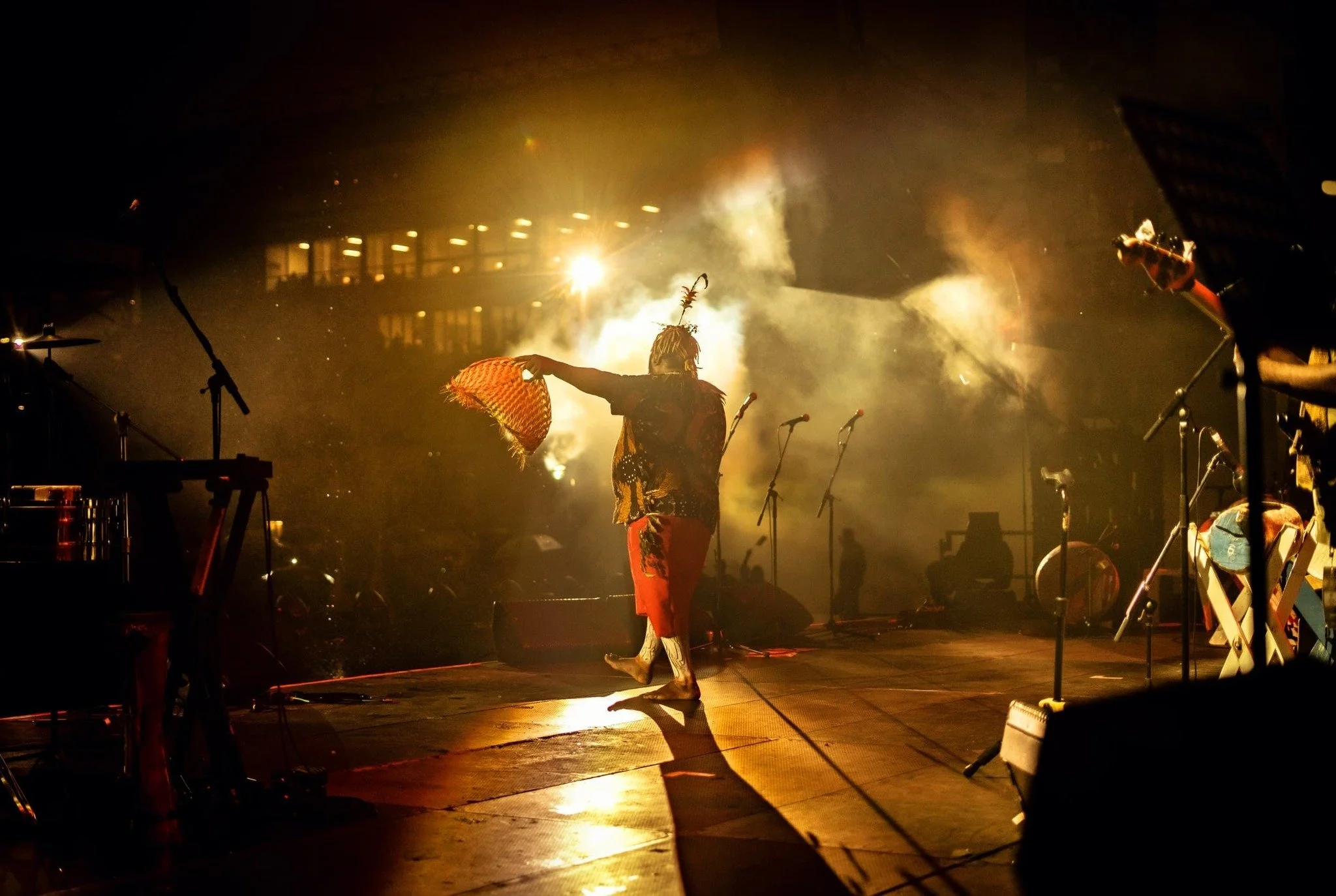
A MUSICIAN WHO OBSERVES LIFE
Saii Kay does not write music only about his own experiences.
He writes about life.
Stories he sees.
Stories people tell him.
Moments of heartbreak, loneliness, joy and resilience.
“It usually comes from observation,” he explains.
“Sometimes someone tells me their situation and I turn it into a song.”
In many ways, he is less a performer and more a storyteller.
A quiet observer translating emotion into melody.
THE HEART OF A QUIET MAN
Saii Kay describes himself as a man of few words.
Someone who struggles to openly express emotion.
But give him a beat — and everything changes.
“When you give me a beat, I open up instantly.”
Music becomes the language he cannot speak in conversation.
And perhaps that is why listeners feel such honesty in his work.
It is not performance.
It is confession.
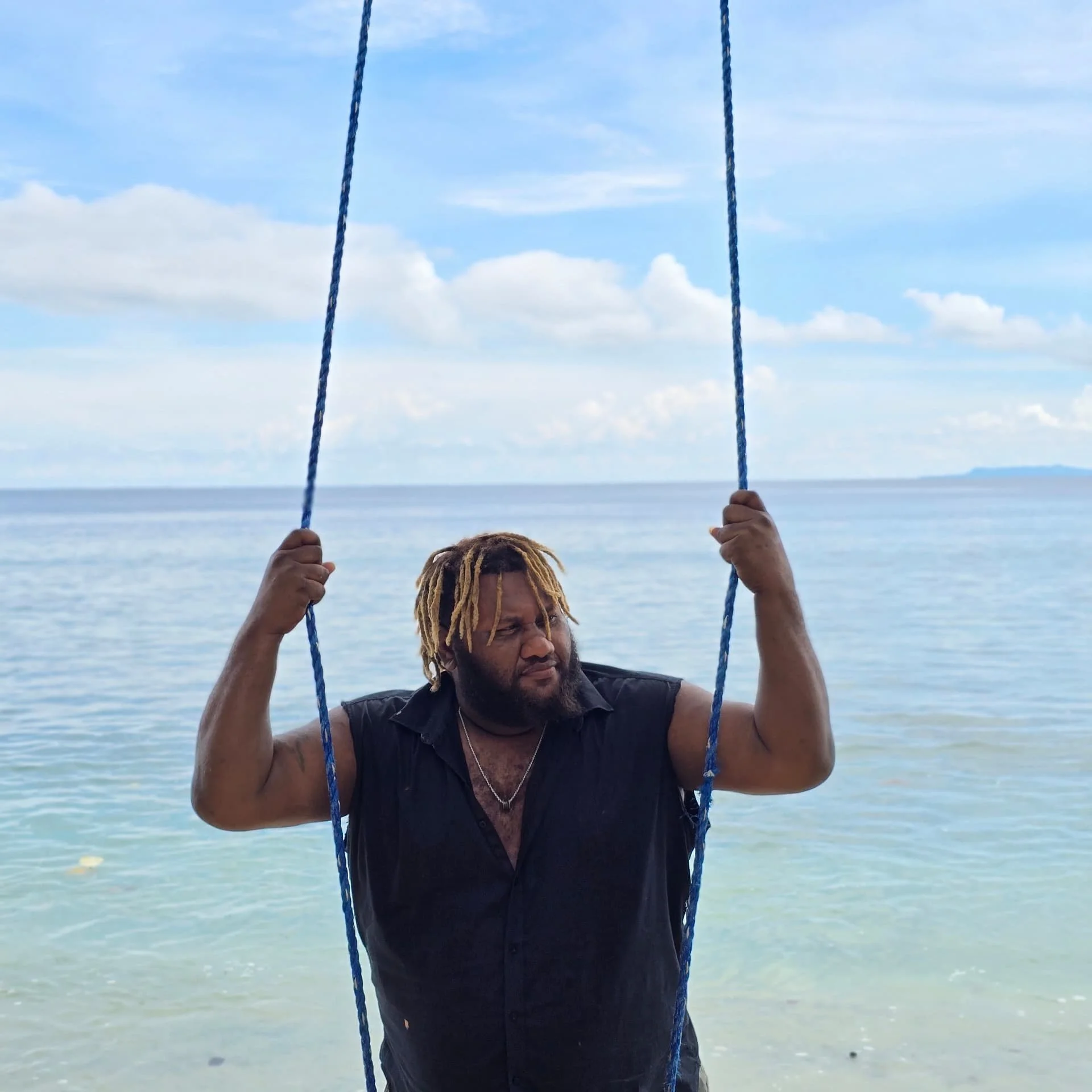
HELPING THE NEXT GENERATION
Despite the challenges of the industry, Saii Kay’s biggest ambition is not personal fame.
It is community.
His home, he says, is always open to young musicians trying to find their way in the industry.
He mentors them.
Encourages them.
Helps them gain exposure.
Because success, in his mind, is not something meant to be kept.
“I want us all to win,” he says simply.
In a music industry still searching for stronger infrastructure and leadership, artists like Saii Kay continue to advocate for better support systems — including music associations that can help protect and empower musicians.
WHAT COMES NEXT
Saii Kay is not finished.
Not even close.
New projects are already in motion.
And in May, he will embark on an Australian tour alongside fellow PNG artists Jarahn and Cammy Bee.
But he refuses to reveal too much.
“I’ll talk about it when it’s done,” he laughs.
For now, he is focused on creating.
Writing.
Observing.
Living.
THE LEGACY HE HOPES TO LEAVE
When asked what legacy he hopes to leave behind, Saii Kay does not talk about fame, awards or chart success.
He talks about people.
“I hope my legacy is my ability to help others while growing in this industry.”
The quiet boy who once sang in the bush alone now opens his home to the next generation of musicians.
And perhaps that is the most powerful full circle of all.
Because somewhere, right now, another young boy is singing alone in the bush — dreaming of a stage he has never seen.
And if Saii Kay has his way, that dream will not feel impossible.