LESLEY JIGEDE | THE WOMAN WHO BUILT A SCHOOL — AND A GENERATION — FROM FAITH, DISCIPLINE, AND UNSHAKABLE PURPOSE

There are women who follow paths.
And then there are women who build them.
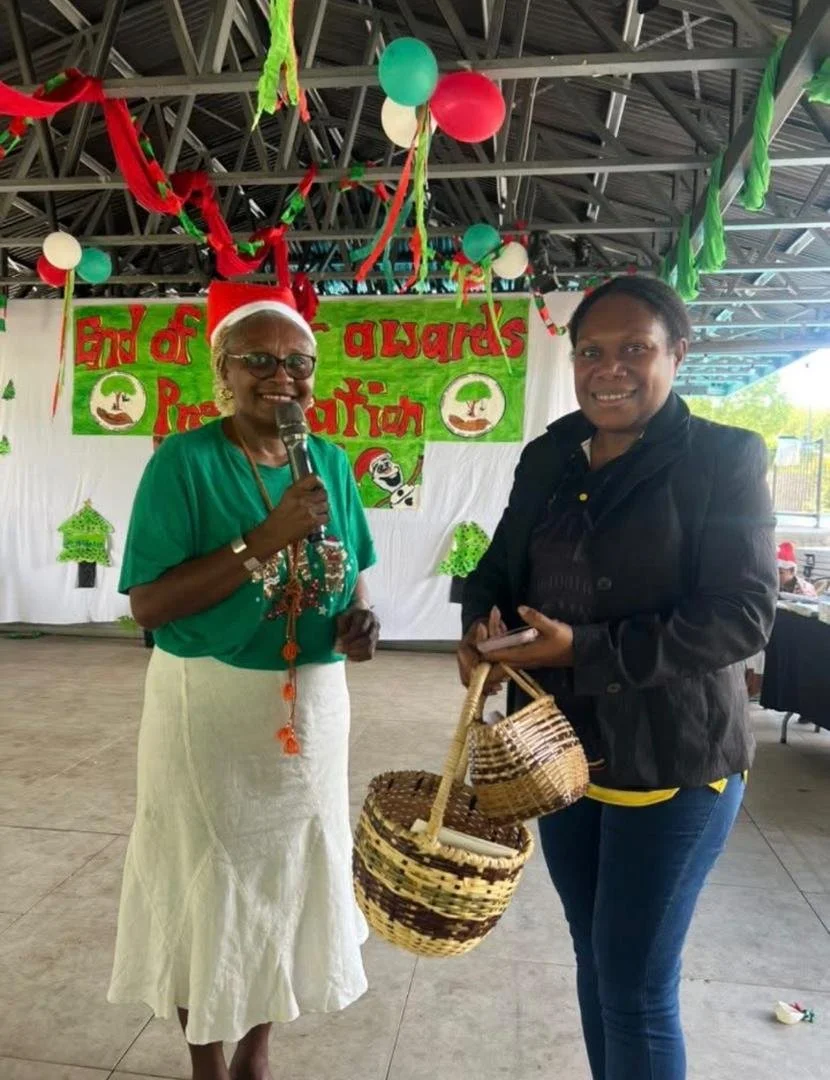
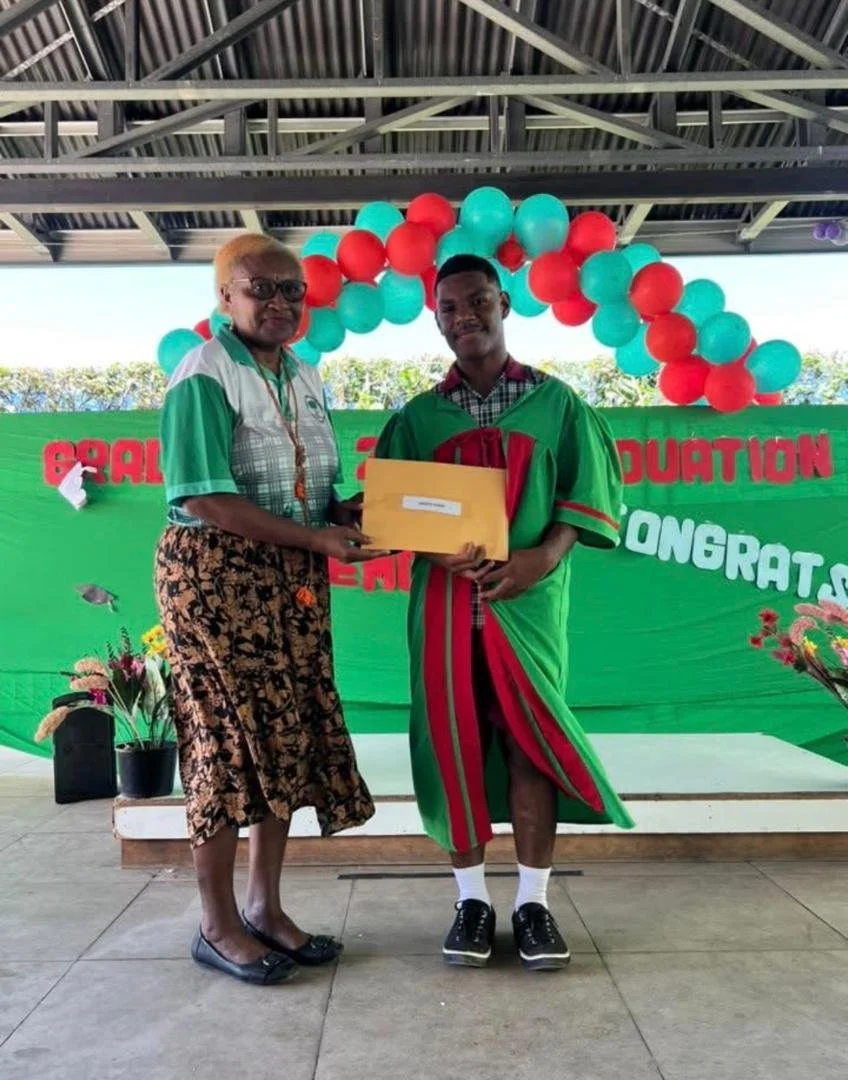
In the quiet, determined corners of Papua New Guinea — far from the polished corridors of power and the predictable structures of privilege — Lesley Jigede did not wait for opportunity to arrive. She created it. With her hands, her faith, and a discipline forged in childhood, she built not just a school, but a living, breathing ecosystem of possibility.
She is an educator. A founder. A mother. A leader.
But above all, she is a woman who chose to believe — long before there was proof.
ROOTED IN DISCIPLINE, SHAPED BY PURPOSE
Lesley’s story does not begin with a grand institution or a title.
It begins in the quiet solitude of being an only child.
In that space — where imagination becomes companionship — a young girl found herself drawn not to toys or distractions, but to something far more telling. She gravitated toward children. Toward connection. Toward the act of guiding and nurturing others.
While other children played, Lesley was already teaching.
Standing in front of her brothers — real or imagined — she would rehearse the role she had not yet officially stepped into, but somehow already understood. A teacher. A guide. A presence.
It was not ambition.
It was instinct.
And behind that instinct stood something even more foundational: discipline.
Raised by parents who believed that every choice carried consequence, Lesley learned early that nothing in life is given — it is earned, shaped, and sustained through consistency. Discipline was not a rule in her home. It was a way of life.
And it would become the backbone of everything she built.
THE DREAM THAT REFUSED TO STAY SMALL
For many, dreams remain abstract — soft ideas that live quietly in the background of reality.
For Lesley, her dream was always specific.
It had walls. Classrooms. Children. A future.
Growing up, she watched her extended family struggle to access education for their children. She saw the gaps — not as statistics, but as lived realities. Opportunities missed. Potential delayed. Futures quietly limited by circumstance.
And so she made a promise.
If she ever had the means, she would change it.
Not for recognition.
Not for legacy.
But for access.
That promise stayed with her — not as a distant wish, but as a quiet, persistent calling.
THE MOMENT EVERYTHING CHANGED
At the time, Lesley had what many would consider security.
A stable, well-paying role at Ramu International Primary School. A respected position. A clear path forward.
But purpose rarely aligns with comfort.
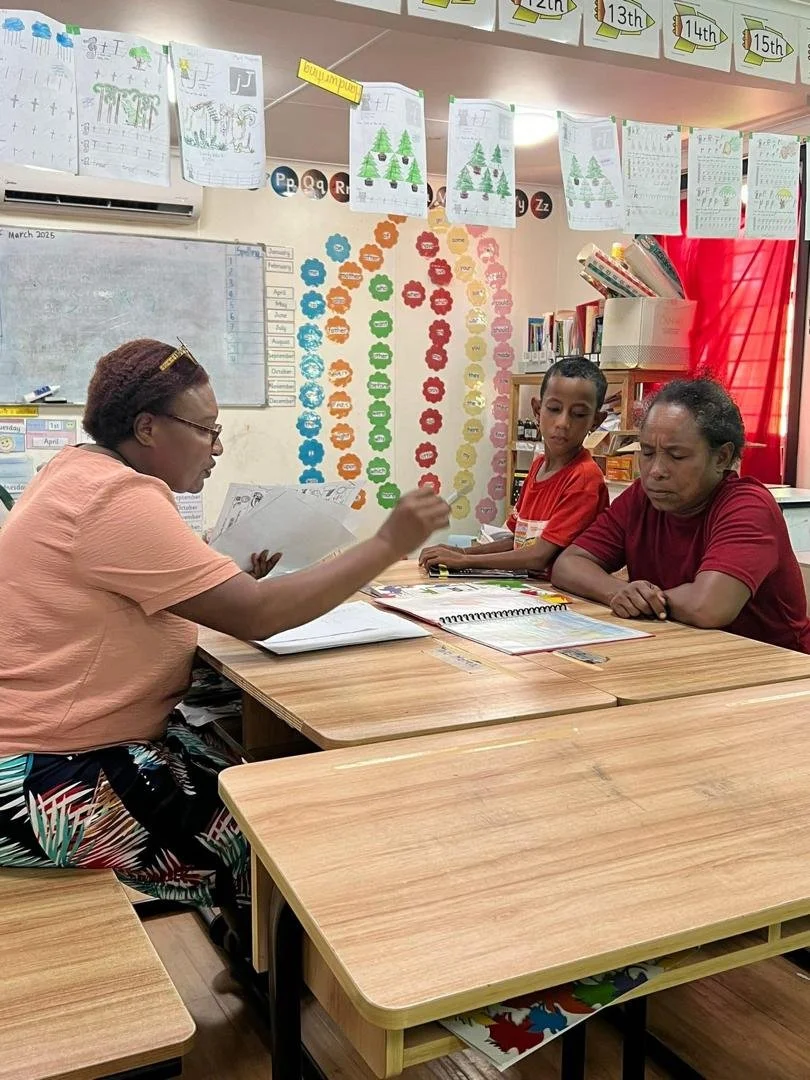
In the classroom, she discovered the transformative power of Jolly Phonics — a system that didn’t just teach children to read, but unlocked confidence, comprehension, and expression at an early age. She watched as young minds shifted. As language barriers softened. As possibility expanded.
She had found something powerful.
And then, one moment changed everything.
A parent — who would later become like a sister — spoke words that would echo far beyond that conversation:
“Lesley, if you start your own school… you would do a really good job with young kids.”
For some, it would have been a compliment.
For Lesley, it was a calling.
She prayed.
She reflected.
And then — she made a decision that would define her life.
She walked away from certainty.
And stepped into purpose.
BUILDING TUHAVA: FAITH OVER FEAR
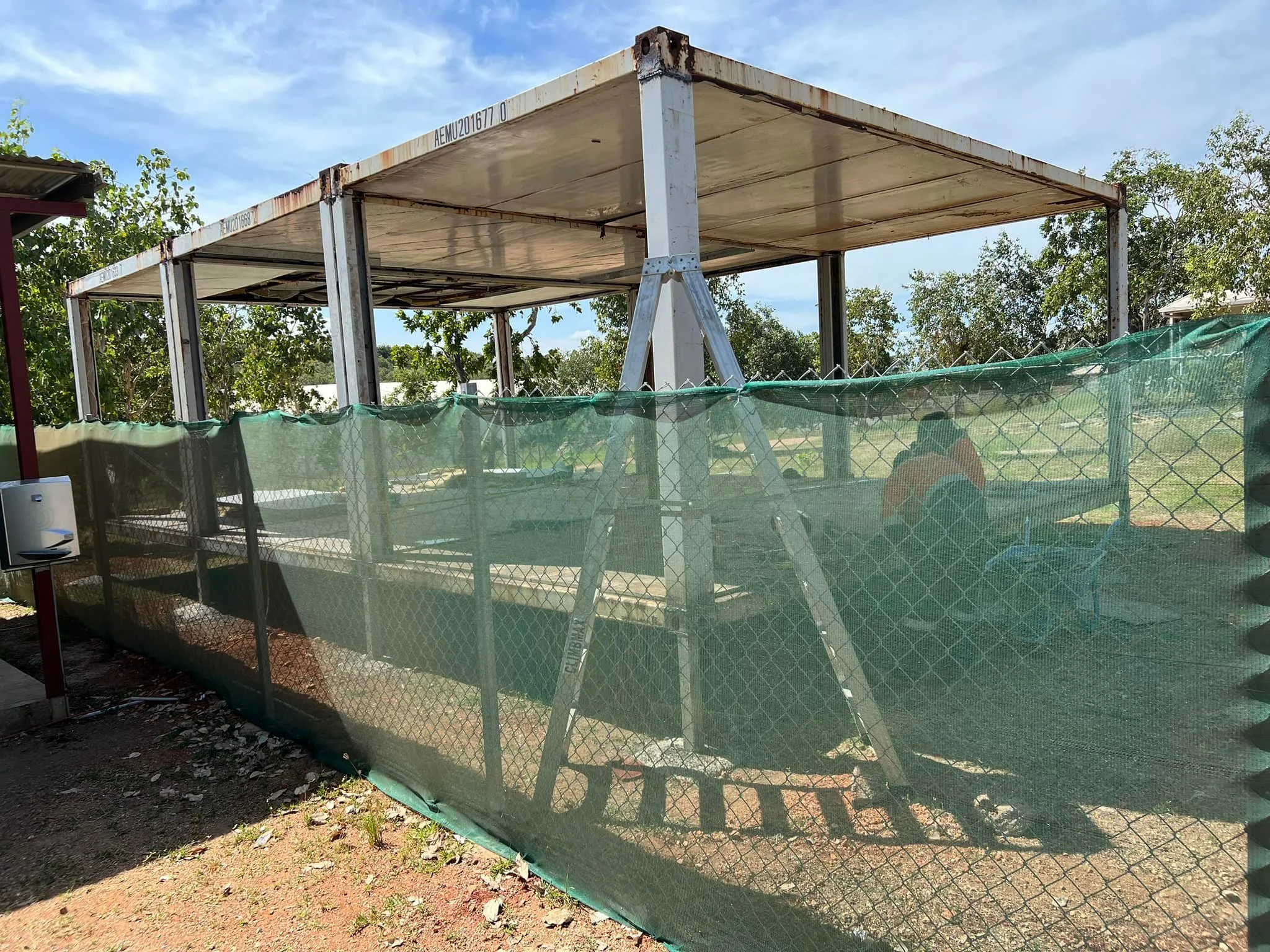
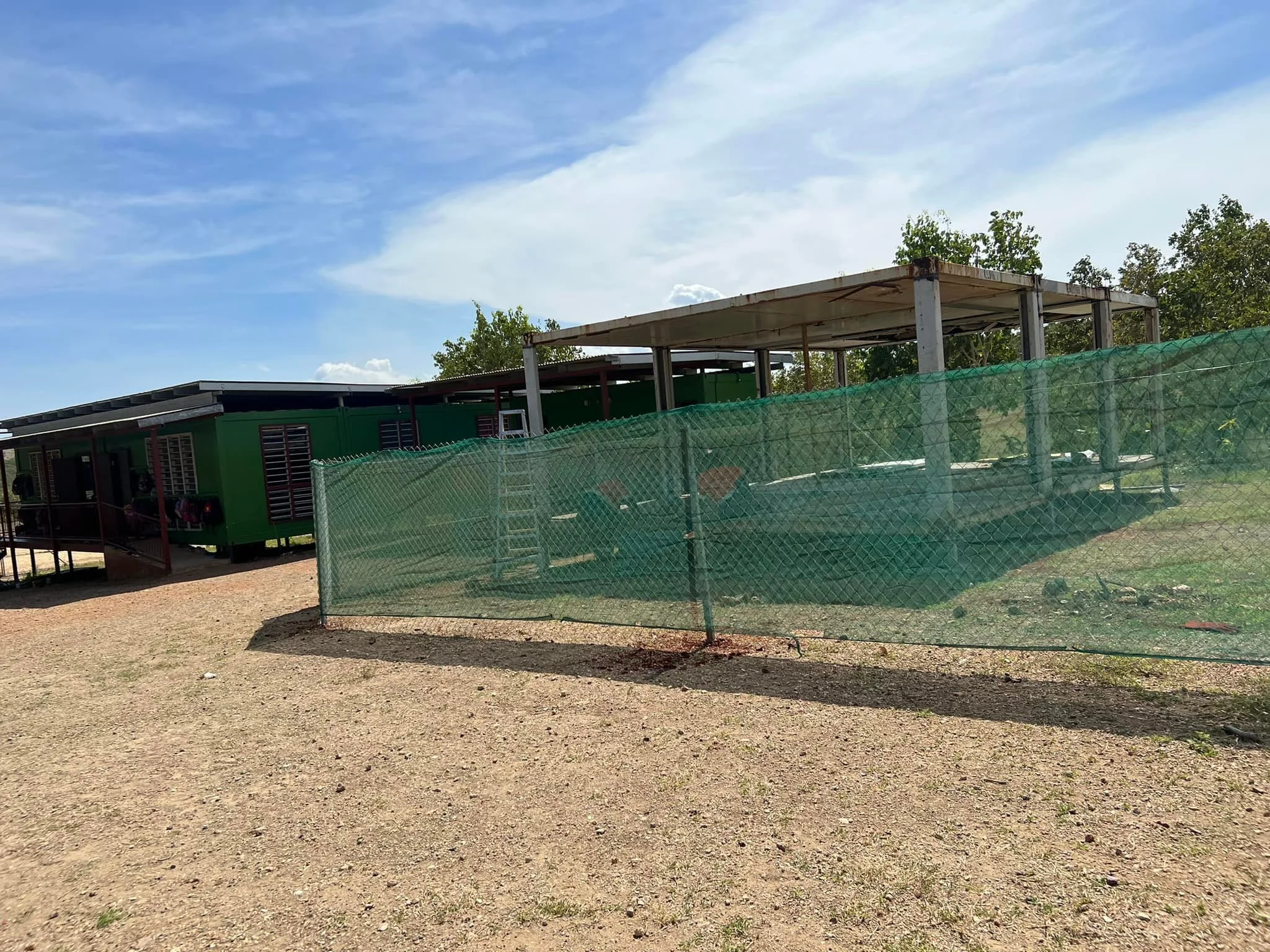
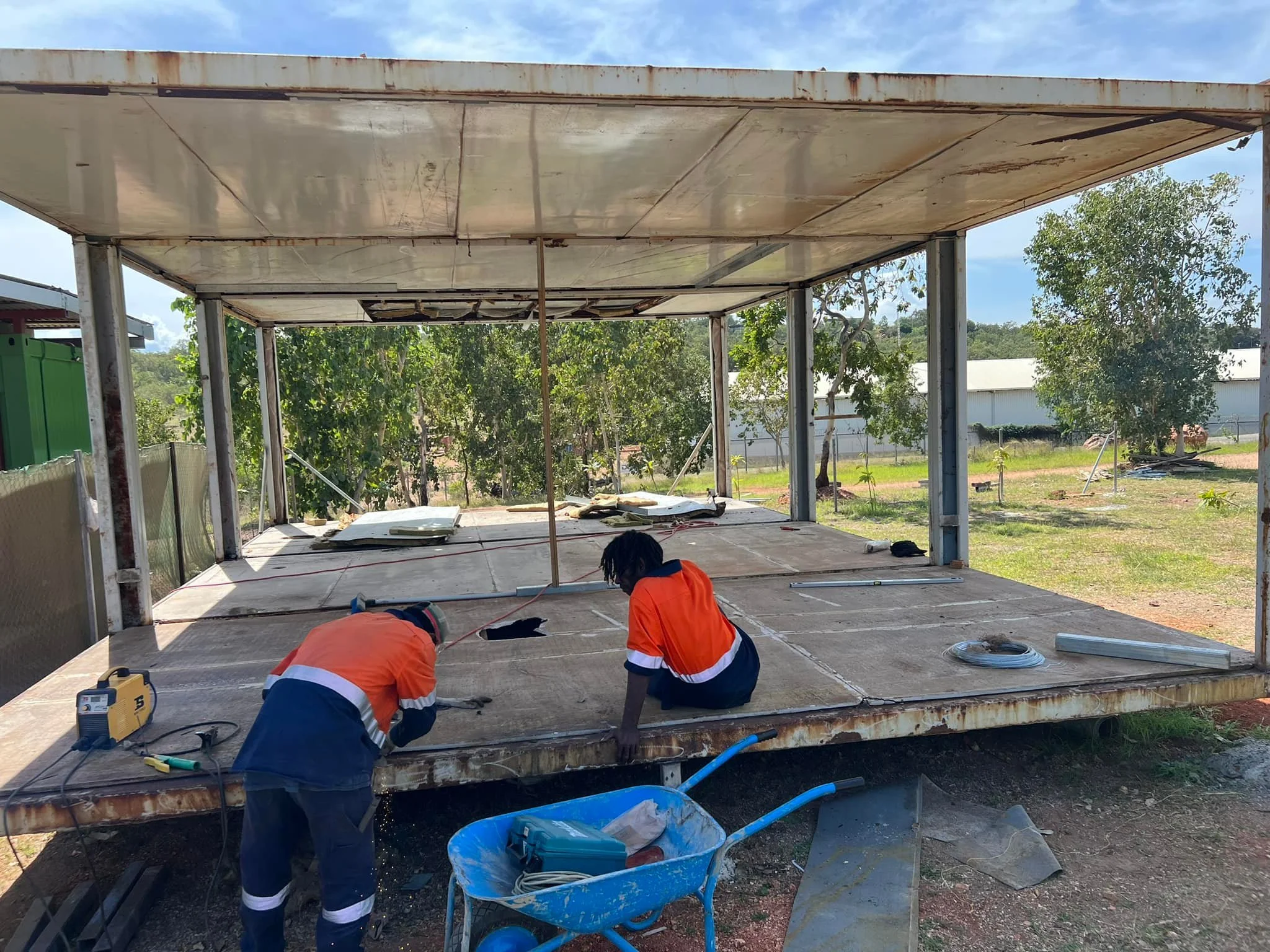
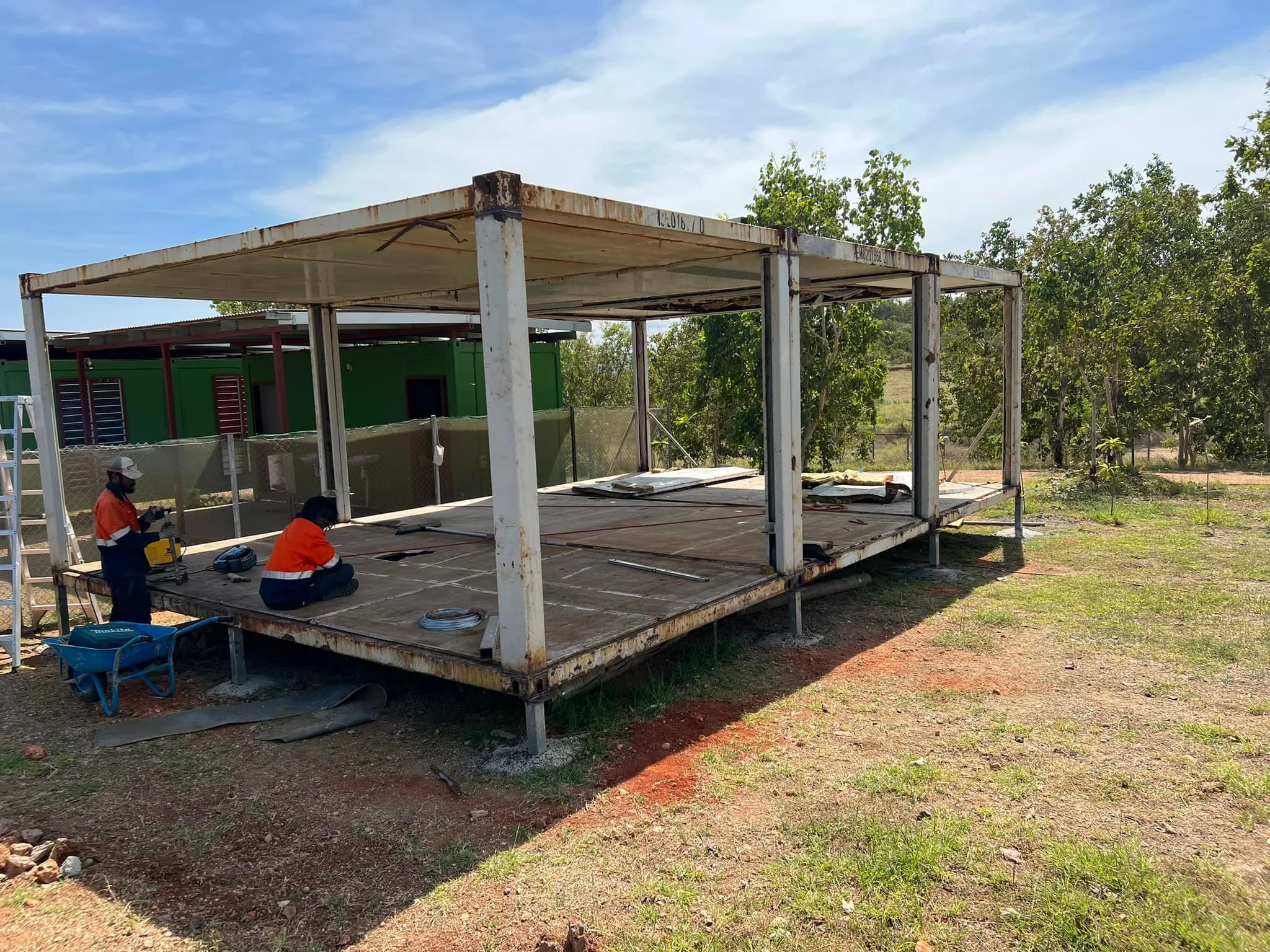
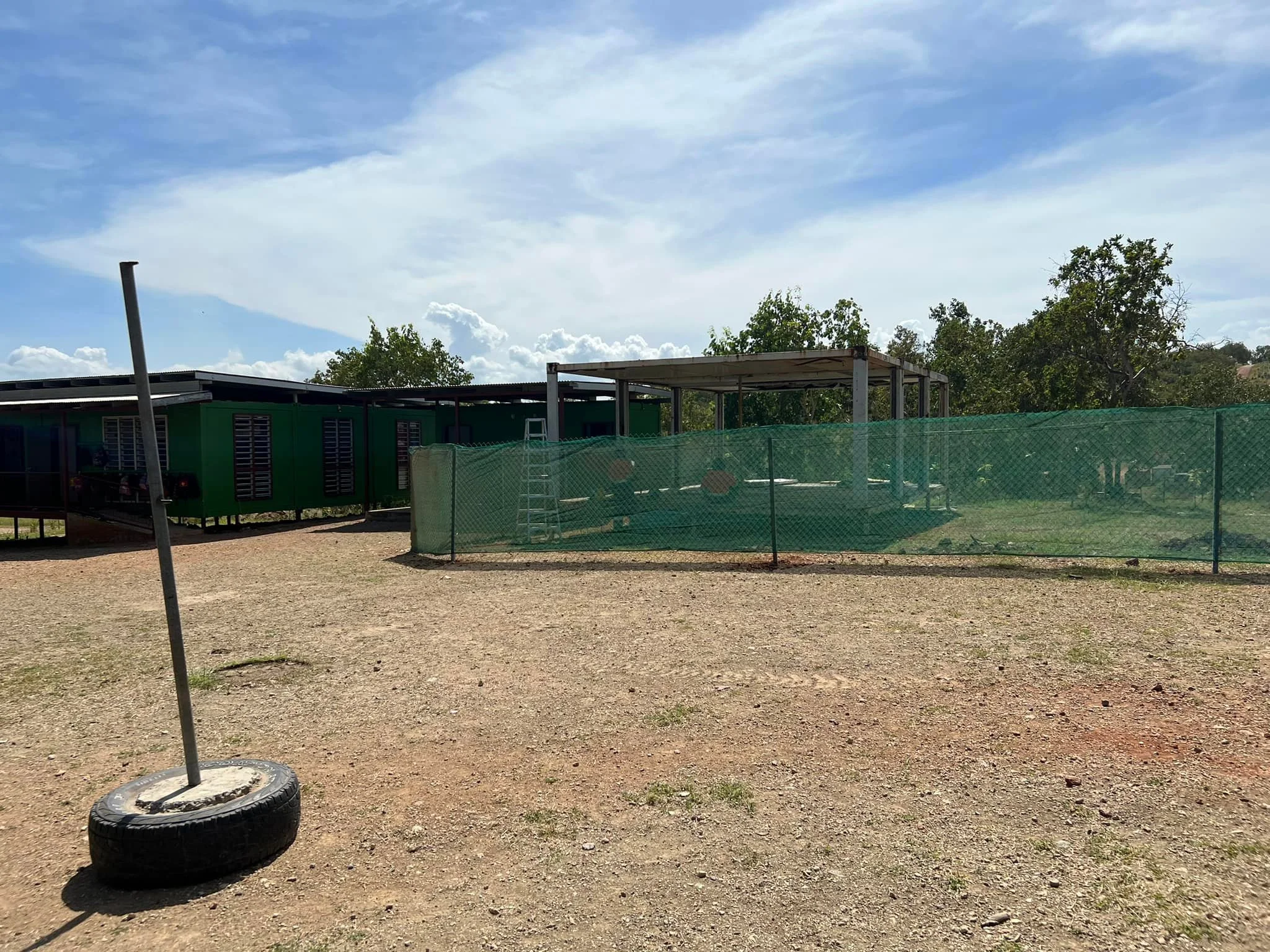
The birth of Tuhava International Primary School was not glamorous.
It was not backed by ease, infrastructure, or convenience.
It was built in motion — in uncertainty, in risk, in faith.
Located in Tuhava Estate, on land belonging to the Roku people, the school carries a name rooted in place and meaning — drawn from a plant traditionally used for fishing. A name that reflects connection, survival, and resourcefulness.
From the beginning, the challenges were real.
Distance. Infrastructure. Logistics.
Teachers traveling from the city. Roads that broke vehicles down every few weeks. School buses failing mid-journey. Days where leadership meant solving problems hour by hour, call by call, decision by decision.
There was no blueprint.
Only belief.
And still — she persisted.
Because when a vision is clear enough, the obstacles become part of the journey, not the end of it.
THE MOTHER, THE BUILDER, THE WOMAN
Behind the title of “Founder” is a reality often unseen.
Lesley is also a single mother of six boys.
And in that role, her strength takes on a different dimension.
There were moments she could not attend school events for her own children because she was building a school for others. Nights where she balanced homework, household responsibilities, and leadership decisions — all within the same breath.
Moments of absence.
Moments of sacrifice.
Moments where the weight of responsibility felt undeniable.
But she did not allow those moments to break her.
Instead, she taught her sons the same lesson she was living:
Work hard.
Be disciplined.
Do not depend on what is given — build what you need.
Her motherhood did not compete with her leadership.
It refined it.
SILENCING THE NOISE, TRUSTING THE VISION
Not everyone understood her journey.
There was criticism.
There was doubt.
There were voices — even from within her own circles — that questioned her decisions, her ambition, her direction.
But Lesley made a choice that many struggle to make.
She protected her vision.
She became intentional about her environment.
She reduced her circle.
She stopped explaining herself to people who were not aligned with her purpose.
And she placed her faith — fully — in God.
It is not isolation.
It is alignment.
A SCHOOL THAT CHANGES LIVES
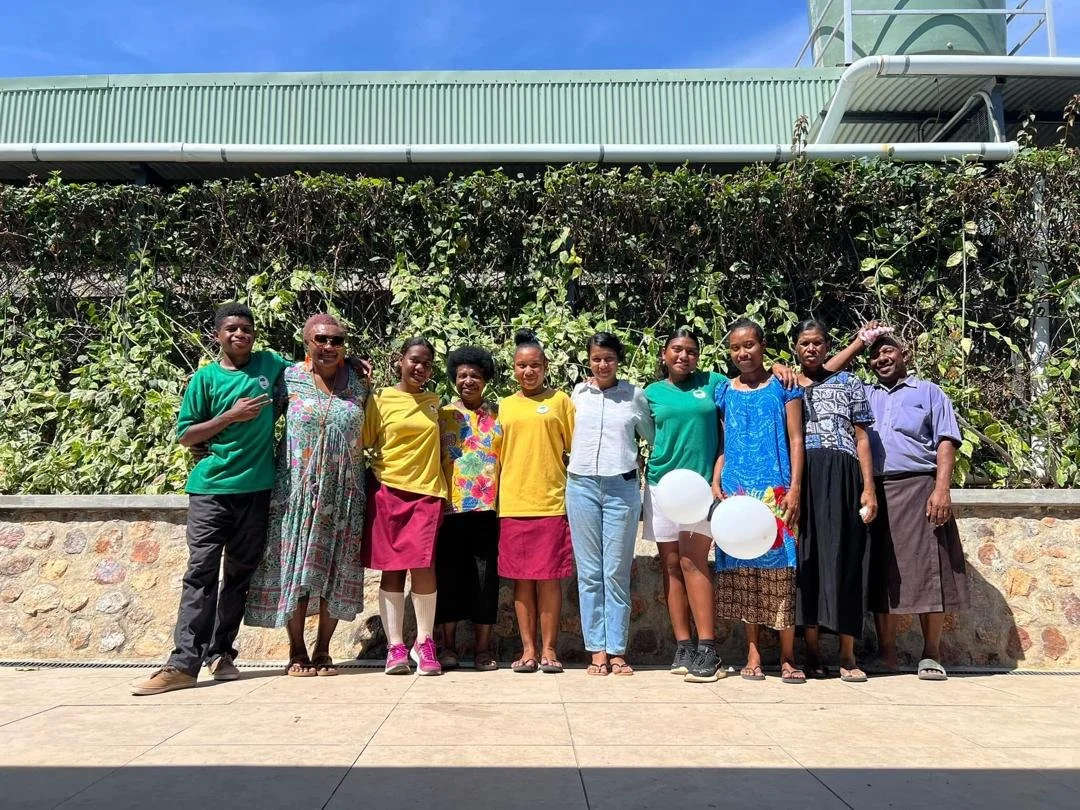
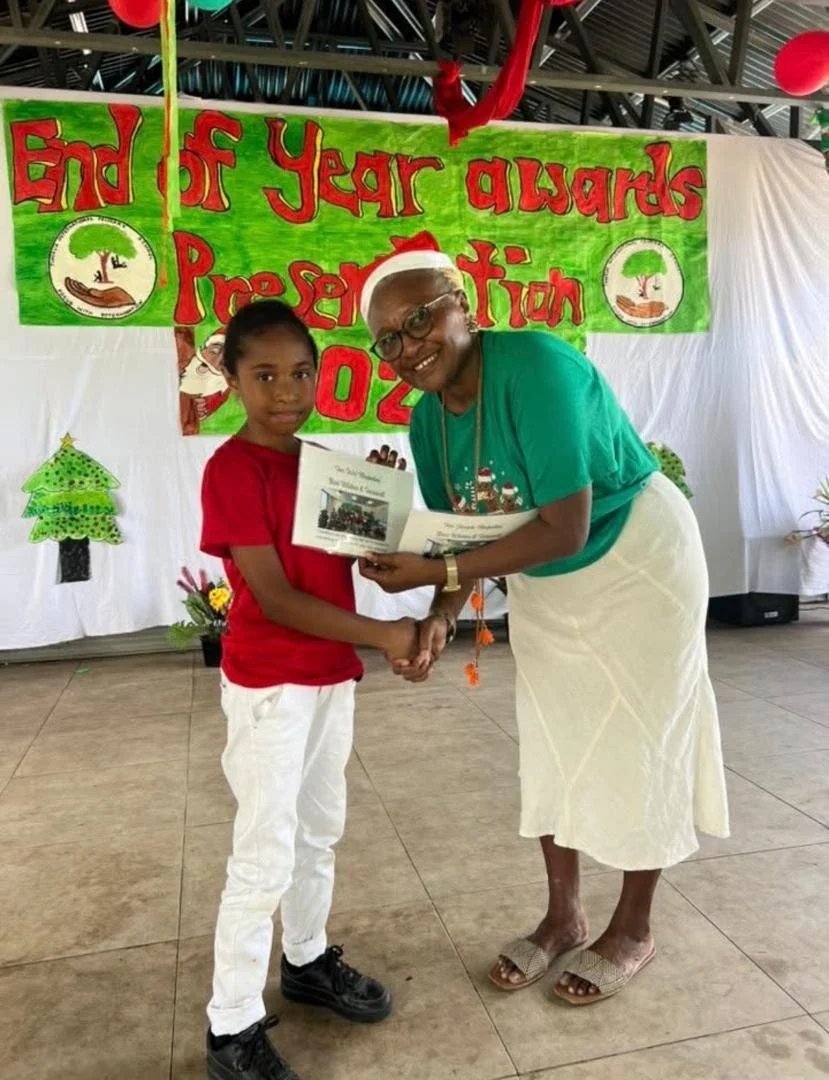
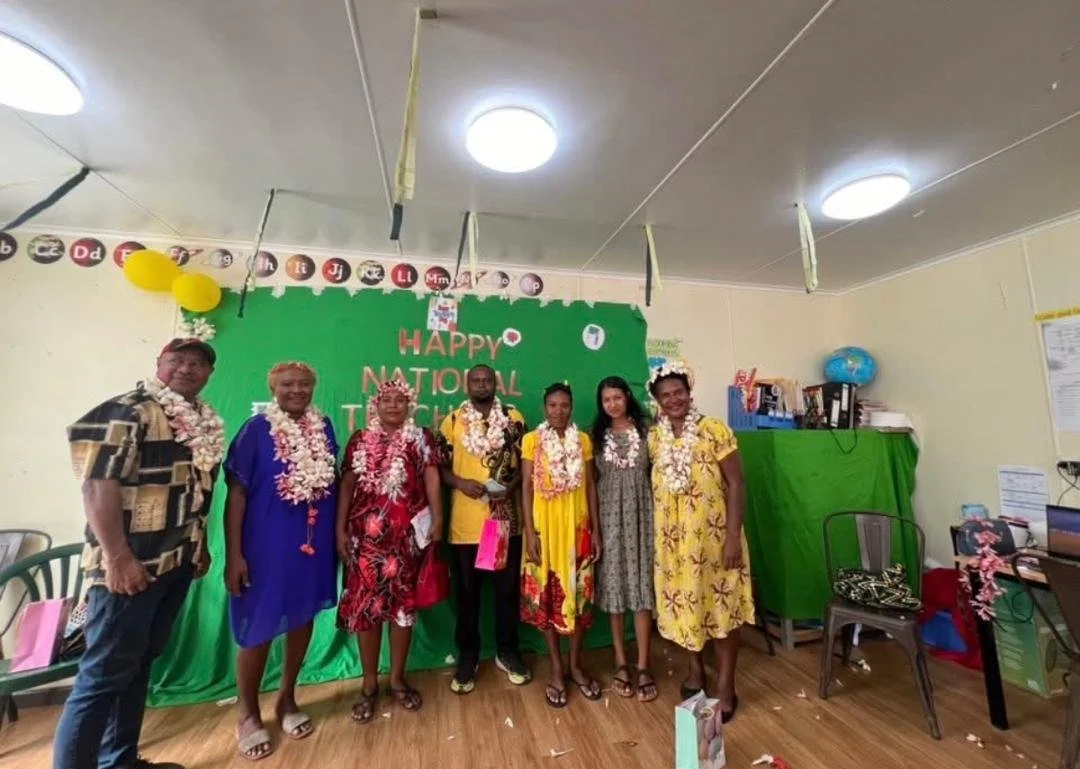
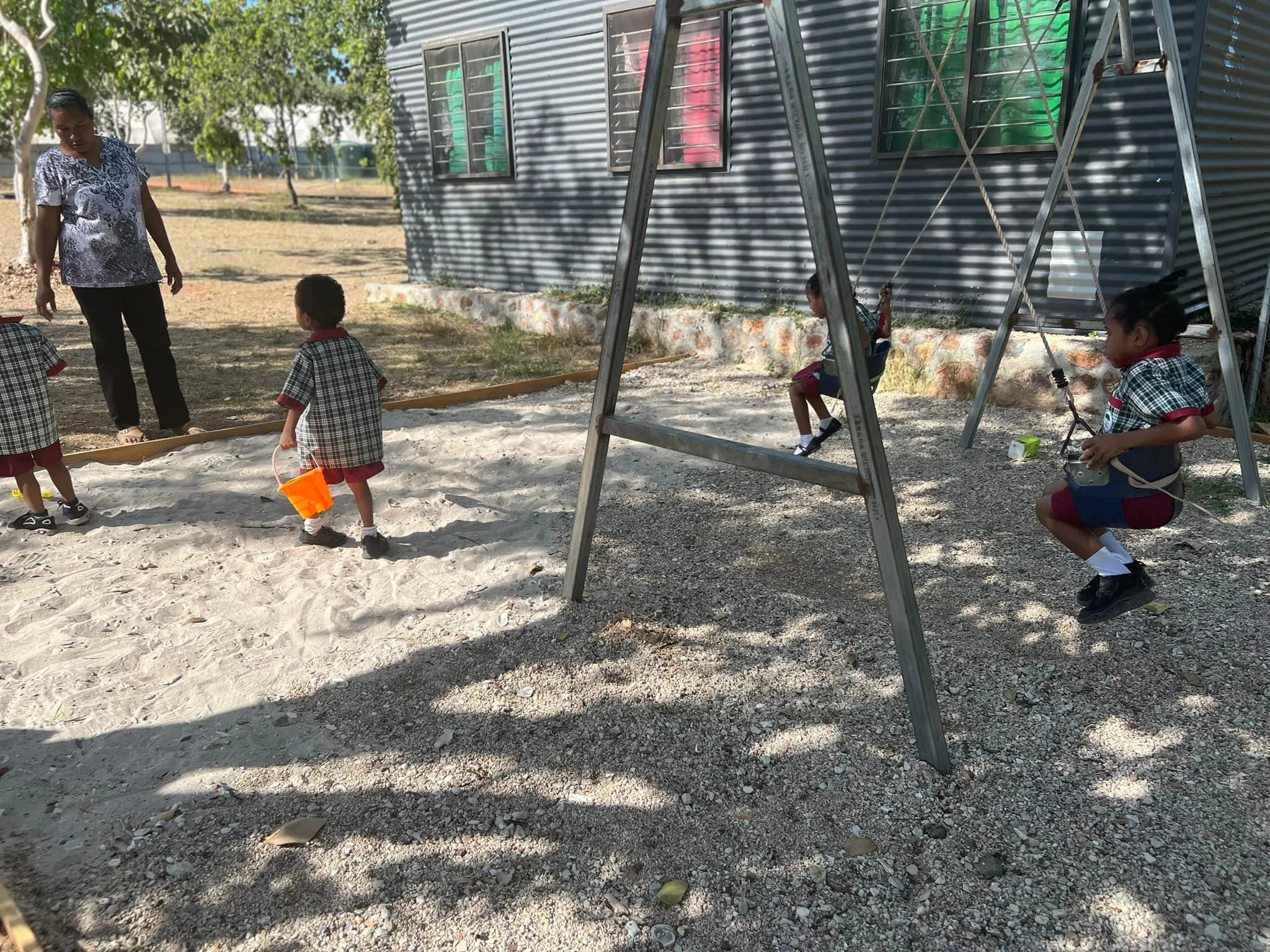
Today, Tuhava International Primary School stands as more than an institution.
It is proof.
Proof that location does not define quality.
Proof that children — regardless of background — deserve access to world-class education.
Proof that one woman’s decision can shift the trajectory of an entire community.
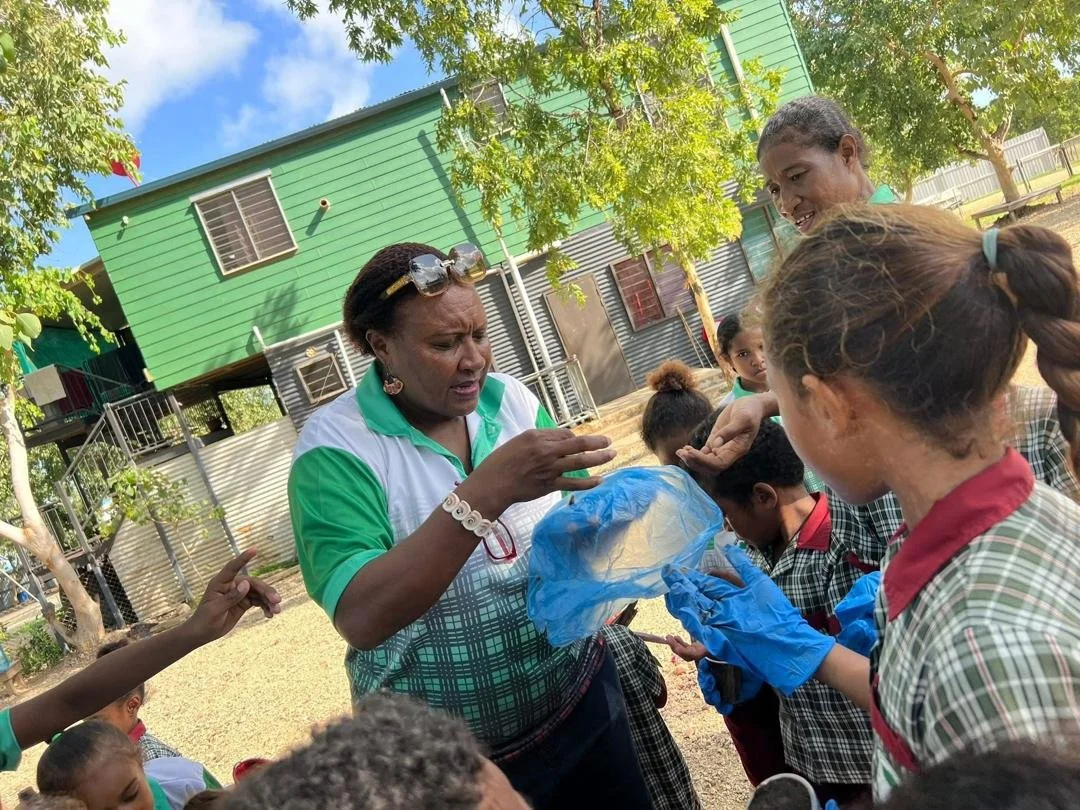
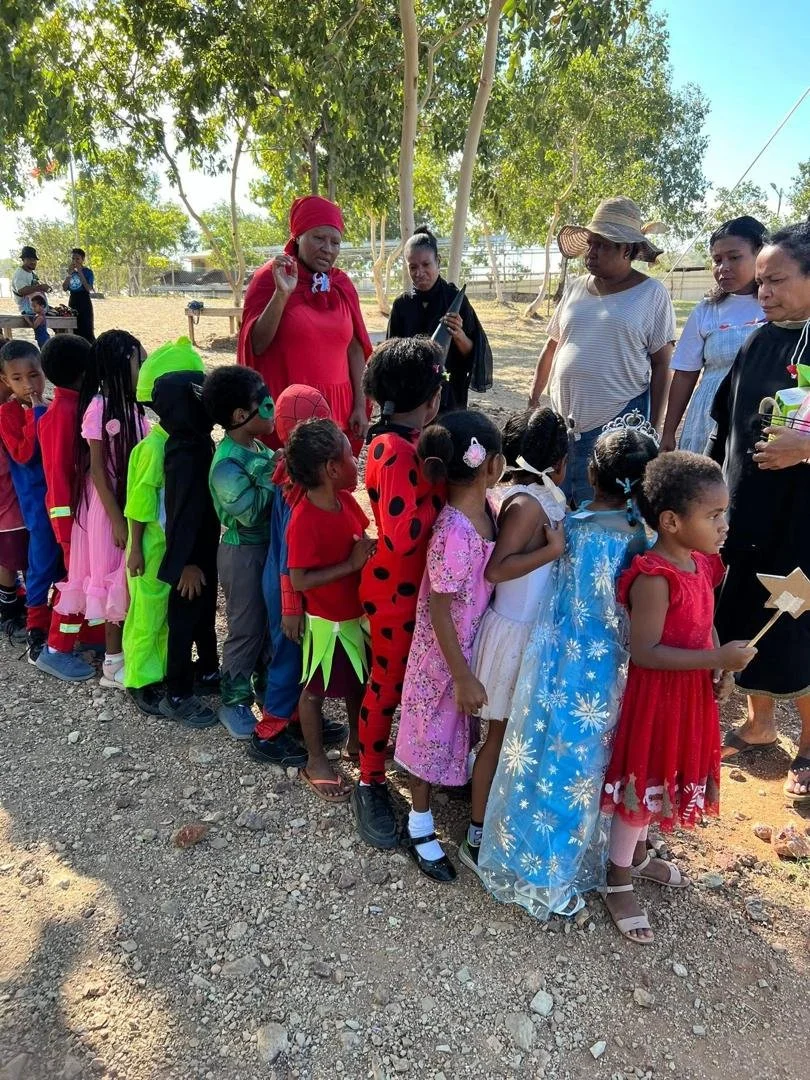
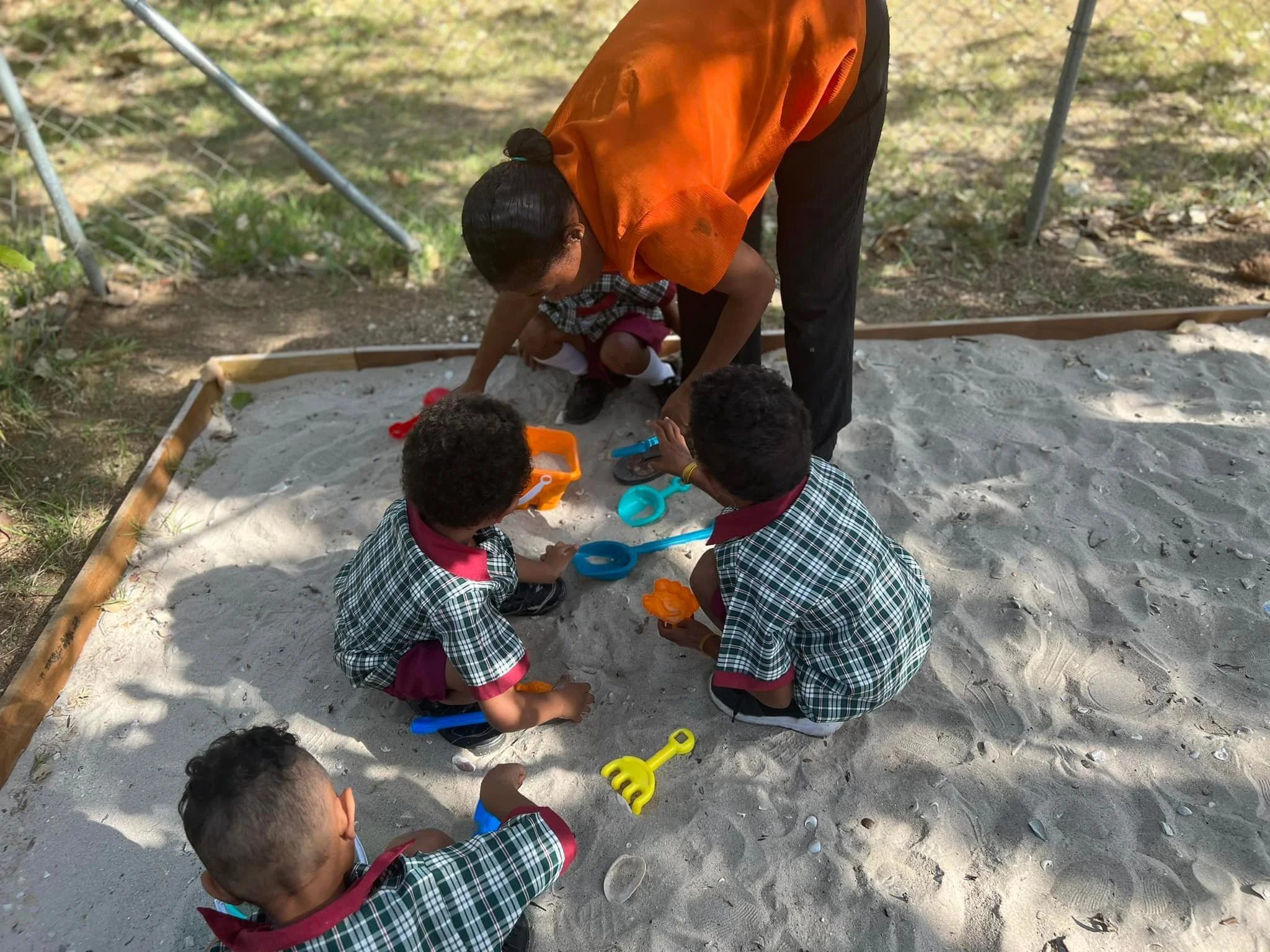
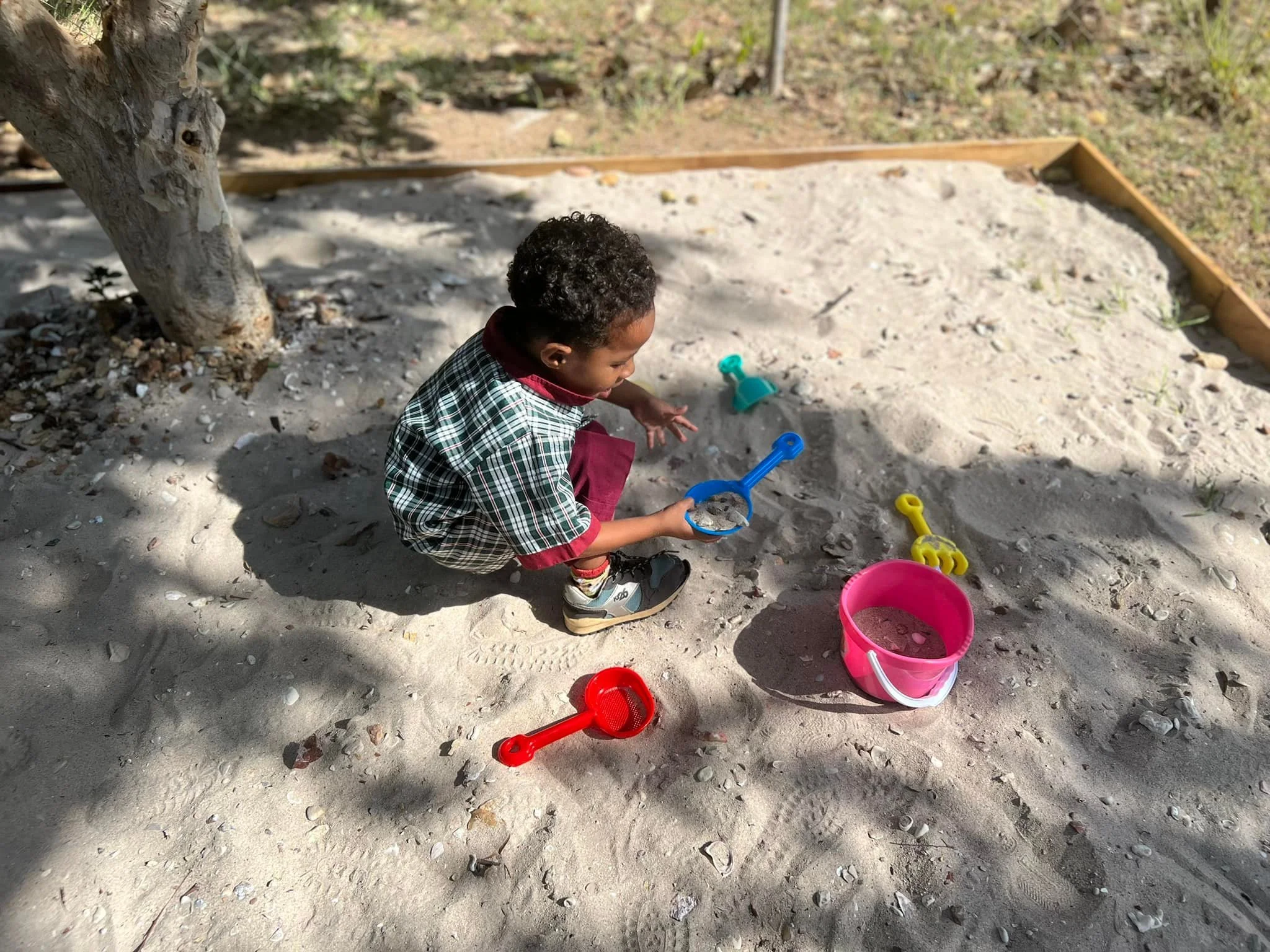
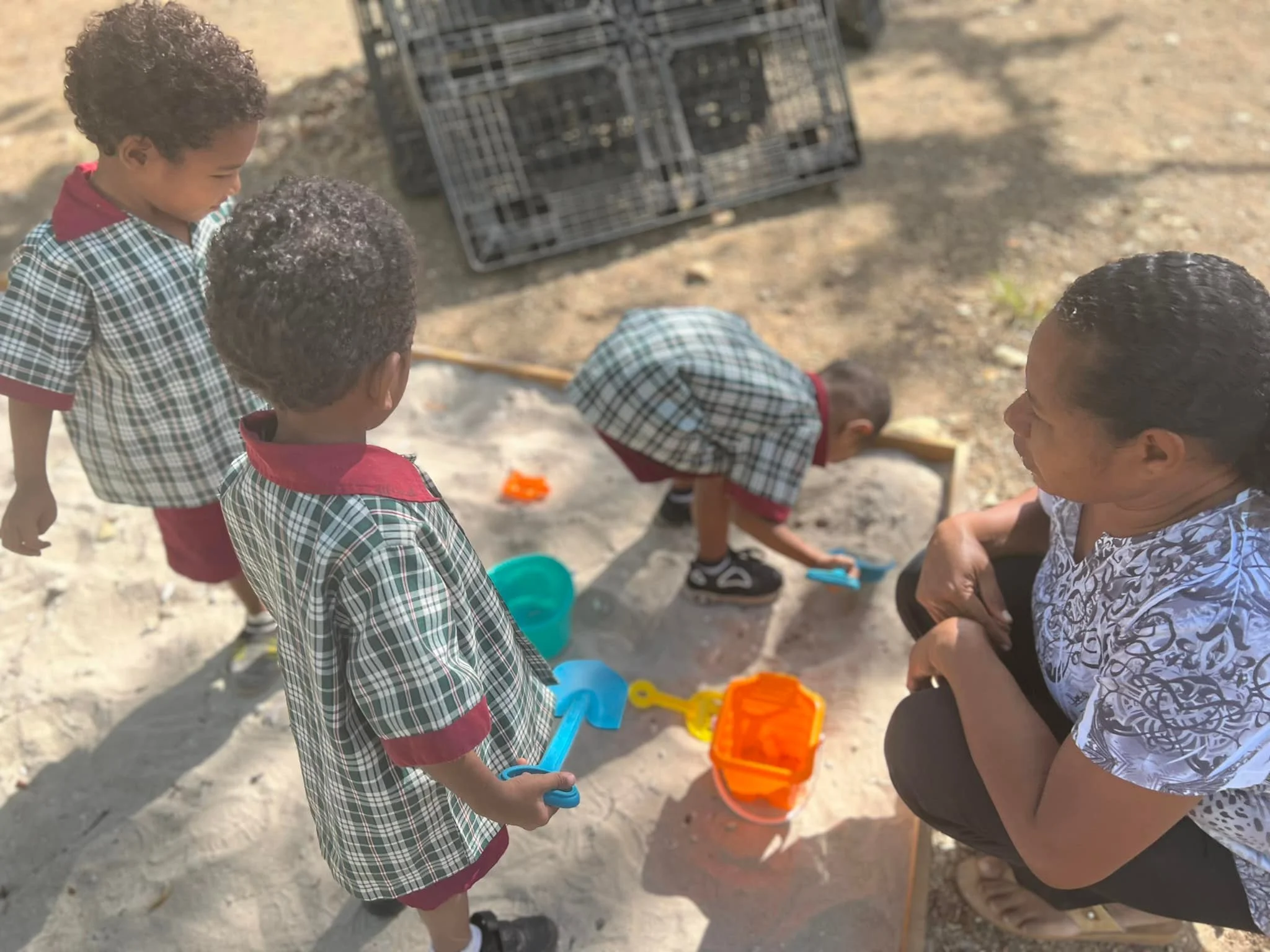
Using the Australian Curriculum and a strong foundation in phonics, Lesley has created an environment where children from the Roku community — many of whom once faced language barriers — are now confidently speaking English, reading, writing, and stepping into spaces that once felt out of reach.
Inside her classrooms, something powerful happens.
Children begin to see themselves differently.
Not as limited.
But as capable.
Equal.
Worthy.
REDEFINING EDUCATION IN PAPUA NEW GUINEA
Lesley understands that education is not just about curriculum.
It is about identity.
About confidence.
About preparing children not just to pass exams — but to navigate life.
She advocates for a balance:
Modern skills — communication, problem-solving, financial literacy.
Alongside cultural grounding — identity, tradition, community.
Because without that balance, education risks becoming disconnected from reality.
Her vision is clear:
An education system where children are not only taught how to succeed, but who they are.
THE WOMAN SHE HAS BECOME
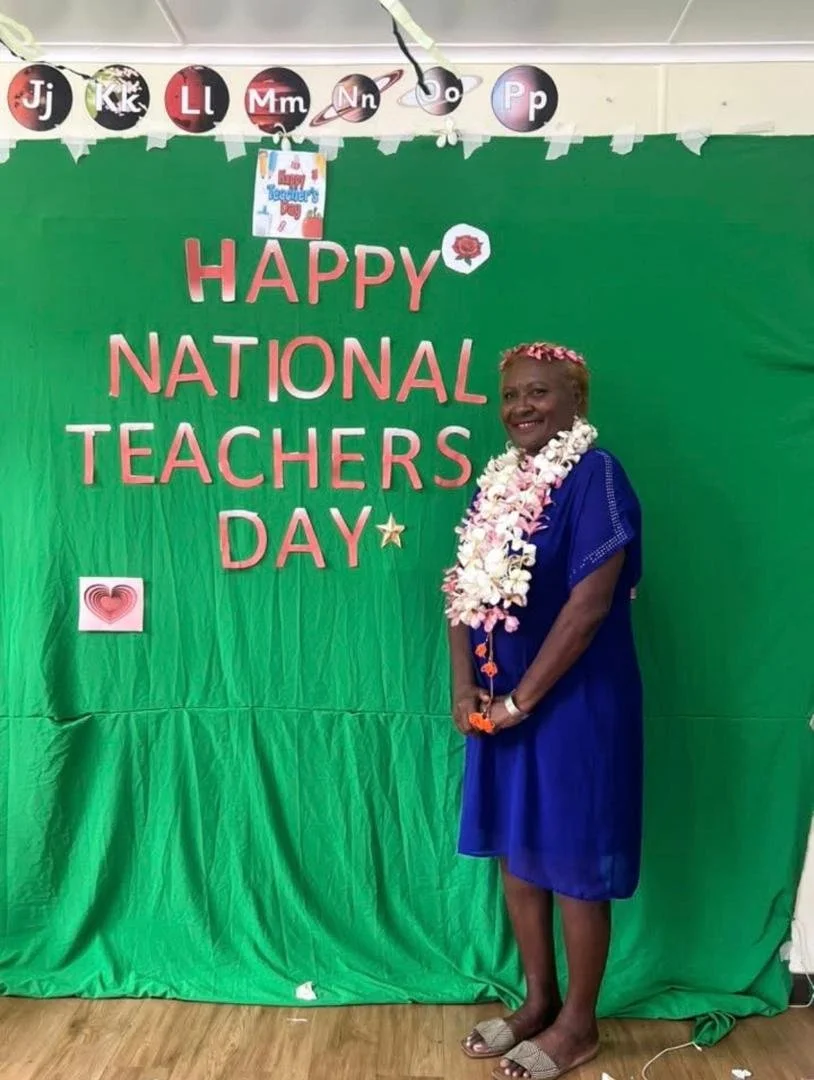
At 52, Lesley does not measure her life by titles or accolades.
She measures it by impact.
By the students who now read with confidence.
By the families whose futures have shifted.
By the school that exists because she chose courage over comfort.
She is proud — not because the journey was easy.
But because she made the decisions herself.
And stood by them.
LEGACY: MORE THAN A NAME
Lesley Jigede is not building something temporary.
She is building a legacy of thought, of learning, of transformation.
She wants her students to remember her not as someone who simply gave answers — but as someone who taught them how to think, how to question, how to explore.
Because education, to her, is not static.
It is alive.
And so is her vision.
To expand. To grow. To reach other parts of Papua New Guinea. To continue shaping minds that will one day shape the nation.
FINAL WORD
If you ask Lesley what she hopes people remember, she will not speak of titles.
She will not speak of success in the way the world often defines it.
She will speak of impact.
Of kindness.
Of courage.
Of the lives she has touched along the way.
Because in the end, her story is not about building a school.
It is about building people.
And in doing so, quietly — powerfully — building a future.