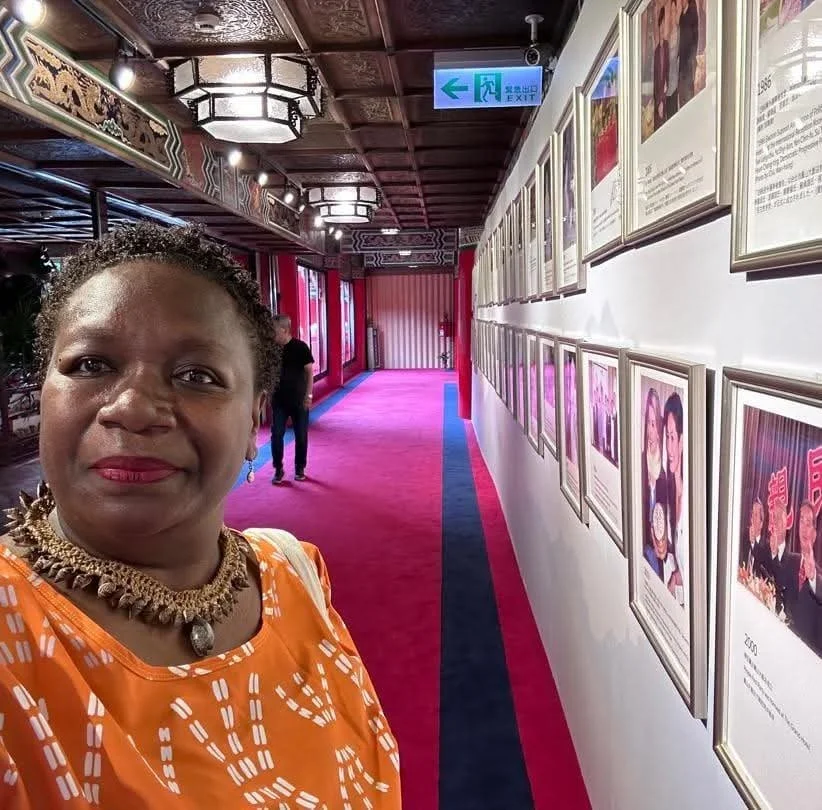
BELINDA KORA | THE VOICE BEHIND THE STORIES: A PAPUA NEW GUINEAN JOURNALIST DOCUMENTING HER NATION
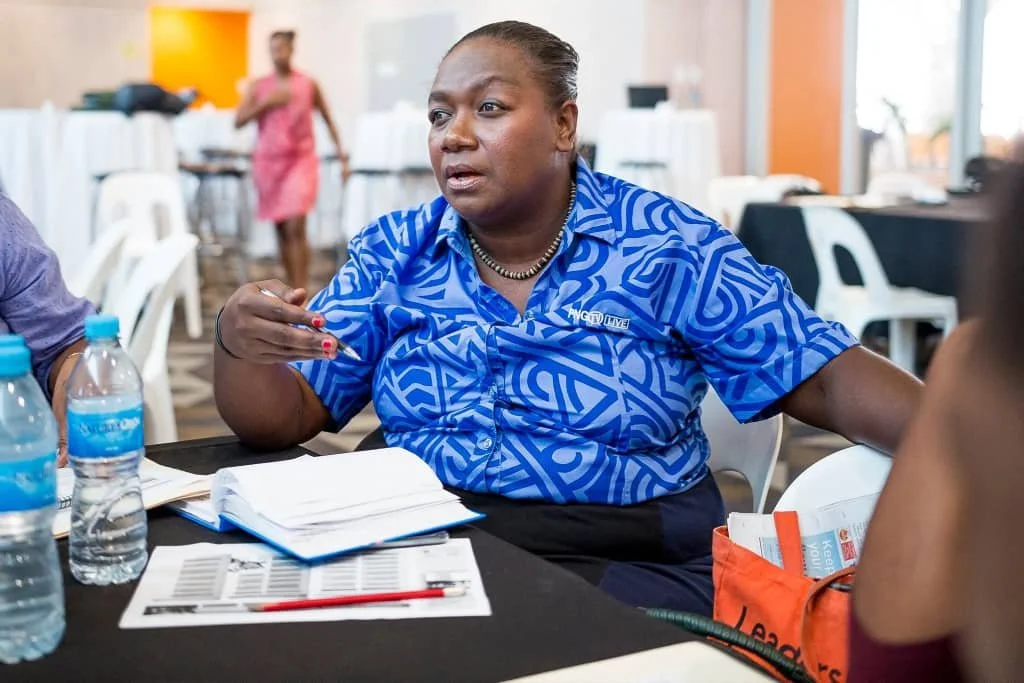
Image provided by Belinda Kora.
In a country as vast, complex, and culturally rich as Papua New Guinea, stories are not simply told — they are lived. They exist in the rhythms of village life, in the songs carried through generations, in the histories of families who have walked the same land for centuries, and in the quiet resilience of people navigating modern challenges while holding onto ancient identities.
But for those stories to reach beyond the mountains, the islands, and the valleys of this extraordinary nation, someone must be willing to listen carefully, ask the difficult questions, and carry those voices forward.
For more than two decades, that responsibility has been carried with grace, determination, and integrity by Belinda Kora — a journalist whose voice has become one of the most recognizable in Papua New Guinea’s media landscape.
She is more than a reporter. She is a custodian of stories, a witness to history, and a bridge between communities and the wider world.
Yet behind the microphone and the camera is a woman shaped by childhood curiosity, cultural heritage, personal loss, and an unwavering belief that journalism, at its core, is about serving the people.
ROOTS & ORIGINS | A Childhood Shaped by Curiosity and Memory
Belinda Kora was born in Port Moresby on the 21st of April, 1983, during a period when Papua New Guinea was still defining itself as a young nation in the years following independence.
She was the first-born child in a family that would later grow to five children, and for a number of years she experienced the unique world of being an only child — a space that allowed her imagination, curiosity, and observations to grow freely.
Her mother was a teacher, deeply devoted to faith and education. A strong Catholic woman, she invested enormous energy into shaping her daughter’s values — ensuring that Belinda understood the importance of integrity, compassion, discipline, and responsibility.
Her father, however, introduced her to a different world entirely.
He worked as a researcher to the Clerk of Parliament, and his office became an unexpected playground for a curious young girl eager to understand the world around her.
After school, Belinda would often accompany him to work at Parliament House. While he worked among stacks of documents and historical records, she would sit quietly nearby, exploring the books and photographs that surrounded him.
What fascinated her most were the black-and-white photographs — images of leaders, moments in history, and faces that seemed to belong to another time.
“Who are these people?” she would ask.
“Why are their pictures black and white?”
Her father never dismissed her questions. Instead, he welcomed them.
Patiently, he explained the people, the stories, and the significance behind the images she was studying.
Those afternoons created a ritual that Belinda still remembers vividly.
The drive home.
The conversations about what he had worked on that day.
The stories about school.
The stories about the country.
Those conversations were not simply father-daughter bonding moments. They were early lessons in storytelling, inquiry, and observation.
But life shifted suddenly when Belinda was still very young.
Her father passed away unexpectedly while on a work trip to Rabaul, when she was only in Grade One.
The loss was profound.
For a child who had found so much inspiration in her father’s encouragement, the absence left a deep emotional imprint — but it also strengthened something within her.
The questions he had nurtured in her did not disappear.
They grew louder.
And in many ways, they would eventually shape the course of her life.
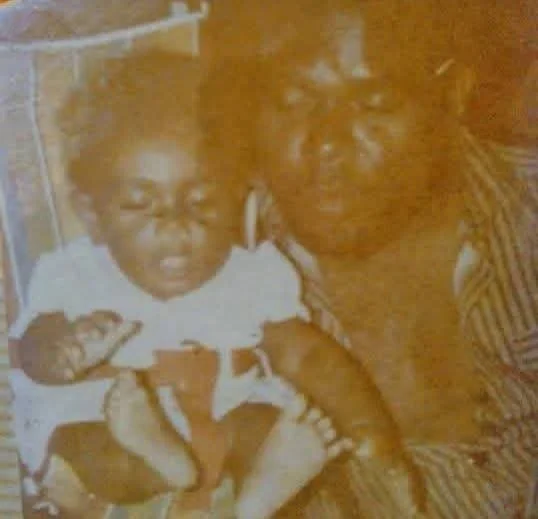
Taken at the family’s first home at 3 Mile, Port Moresby. Belinda Kora, just a couple of months old, pictured with her father, Francis Murvake — one of the very few photographs she holds as a precious and treasured memory. Image provided by Belinda Kora.
THE STORYTELLERS WHO RAISED HER | The Village, War Stories, and Cultural Memory
After the passing of her father, Belinda’s world shifted in ways that only a child who has experienced loss can truly understand. The steady presence that had nurtured her curiosity was suddenly gone, leaving behind a quiet absence that could have easily dimmed the bright spark of questions she carried within her.
Instead, that spark found new guardians.
Much of Belinda’s childhood was spent surrounded by the warmth and wisdom of her extended family from the North Coast Roads of Rabaul — a place where the air carried not only the scent of the sea and volcanic soil, but also the echoes of history that lived in the memories of its elders.
If her father had introduced her to the structured world of books, archives, and Parliament corridors, it was her uncles and grandmother who opened the door to a deeper and older form of knowledge — oral storytelling.
In Papua New Guinea, storytelling is not simply entertainment. It is how history survives. It is how identity is preserved. It is how a people remember who they are.
Belinda’s uncles were extraordinary storytellers in their own right — men whose voices carried the rhythms of sermons, laughter, cautionary tales, and lived experience. Many of them were passionate preachers, capable of holding an audience with words that painted entire worlds.
When they spoke, the past came alive.
They told stories about the war years, when Rabaul became one of the most significant military strongholds in the Pacific during World War II. They spoke about how the arrival of foreign soldiers changed the rhythms of village life almost overnight.
One of her uncles could speak Japanese, a skill he had learned during that difficult period when local villagers were taken into caves and taught songs and language by occupying forces.
To a young Belinda, this was astonishing.
Imagine being a child and hearing your uncle suddenly shift into another language — one tied to stories of war, survival, and resilience.
Her grandmother, too, carried these memories in quieter ways.
Sometimes, when Belinda rested in her arms, she would softly sing Japanese lullabies, songs that had travelled across oceans and decades, now echoing gently in the life of a new generation.
For Belinda, those moments were both comforting and haunting — reminders that the peaceful village landscapes she ran through as a child had once been touched by the turbulence of global history.
The stories were never simple.
They were layered with lessons about survival, faith, and the strength of communities that had endured unimaginable change.
Her uncles spoke about the volcanoes of Rabaul, explaining how the land itself was alive — powerful, unpredictable, and deserving of deep respect. They described the traditions that governed village life, the cultural practices that outsiders often misunderstood, and the spiritual beliefs that connected people to their environment.
Among the most fascinating of these traditions was the mysterious cultural institution of the DukDuk.
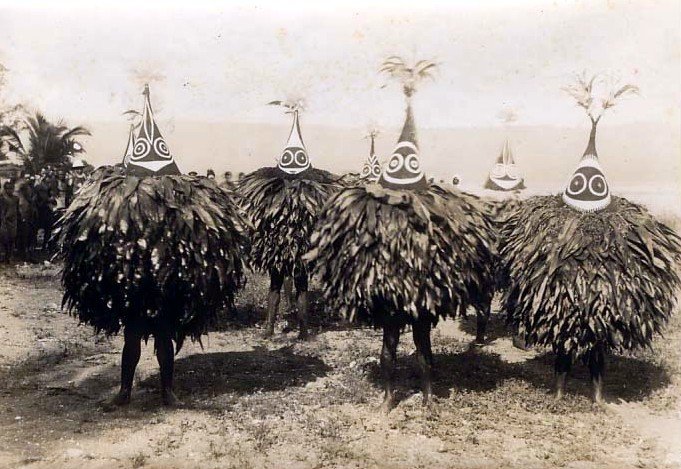
Unknown photographer, 1913. Duk-Duk dancers of the Tolai people, Gazelle Peninsula, New Britain, Papua New Guinea. The Duk-Duk is a men’s secret society also present on neighbouring New Ireland Island. Source: oceania-ethnographica.com.
To Belinda, it seemed almost mythical.
The DukDuk ceremonies, sacred and secretive, were reserved strictly for men. The masked figures who appeared during these rituals represented powerful ancestral spirits and carried immense authority within the community.
When Belinda learned that she could never become a DukDuk — because it was forbidden for women — she reacted the way many curious children do.
She laughed.
But beneath the laughter was fascination.
Why were some traditions so secret?
What did they mean?
Why were they protected so carefully?
These questions lingered in her mind, quietly shaping the way she would later approach stories as a journalist — always curious, always respectful, always seeking to understand what lay beneath the surface.
As a child, Belinda’s days were filled with exploration.
She ran through the valleys of the village, feeling the warm earth beneath her feet and listening to the sounds of life around her. Chickens scattered across dusty paths. Palm leaves rustled in the breeze. Distant voices carried across the hills.
And then there were the Japanese caves.
They stood as silent reminders of the war her uncles often spoke about.
Belinda would stare at them from a distance, curiosity pulling her closer.
But the elders always warned her.
“Never go inside.”
“Bad spirits live there now.”
To a child whose imagination was already overflowing with stories, these warnings only deepened the mystery.
What had happened inside those caves?
Who had walked through them?
What songs had echoed through their walls?
Those unanswered questions became part of the quiet mythology of her childhood.
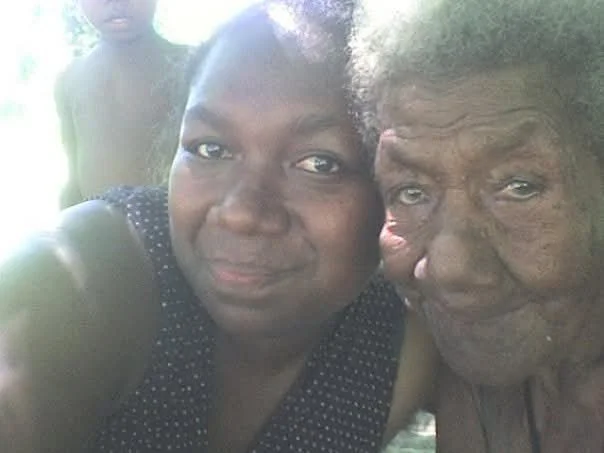
Belinda’s late grandmother, remembered for singing songs in Japanese — a reflection of the histories and memories that shaped generations in East New Britain.
Today, when Belinda reflects on those years, she does so with both gratitude and longing.
The uncles who filled her world with stories are no longer here.
Her grandmother’s songs have faded into memory.
The voices that once animated evenings in the village have grown silent.
But their influence remains deeply woven into who she is.
“I wish I could have recorded their voices,” she says.
“I wish I had captured those moments somehow.”
Yet perhaps recording them was never necessary.
Because the most powerful stories do not live in machines.
They live in memory.
They live in the heart.
And for Belinda Kora — the journalist who would one day dedicate her life to telling the stories of her people — those early storytellers did something extraordinary.
They taught her that every voice matters.
That every memory holds value.
And that the greatest stories are often the ones carried quietly from one generation to the next, waiting for someone brave enough to listen… and then share them with the world.

Photo Credit: Elements of the 71st Bomb Squadron, 38th Bomb Group, Fifth Air Force attack Japanese shipping in Simpson Harbor, Rabaul, November 2, 1943. The painting, entitled Bloody Tuesday, is by Jack Fellows.
THE CALLING OF JOURNALISM |A Voice on Television That Changed Everything
Belinda Kora did not grow up with a clear roadmap that said “this is how you become a journalist.” In fact, like many children growing up in Papua New Guinea in the 1980s, careers in media were rarely discussed in classrooms or homes as something attainable. Journalism was something people saw on television or heard on the radio — mysterious voices that seemed to exist somewhere far away in studios and newsrooms.
What Belinda did know, even as a young girl, was something much simpler.
She loved asking questions.
Questions about people.
Questions about why things happened.
Questions about why people made the decisions they did.
She was the kind of child who rarely accepted things at face value. If someone explained something to her, she would instinctively follow up with another question. And then another. And sometimes another after that.
It wasn’t about challenging authority for the sake of rebellion — it was about understanding the world more deeply.
Looking back now, Belinda often laughs and says that if journalism had not found her, she might have become a lawyer, simply because the profession also rewards those who are unafraid to ask the questions others hesitate to ask.
But the true spark — the moment when curiosity quietly transformed into possibility — arrived in the most ordinary way.
Through the evening news.
In the 1980s, television news in Papua New Guinea was more than just programming. For many households, it was a ritual — a moment when the entire family paused the noise of the day to reconnect with the wider world.
In Belinda’s home, 6:00 PM was sacred.
Dinner preparations slowed. Conversations quieted. The television flickered to life.
The nation’s stories were about to begin.
And then, on the screen, appeared a woman who would unknowingly change the course of Belinda’s life.
Titi Gabi.
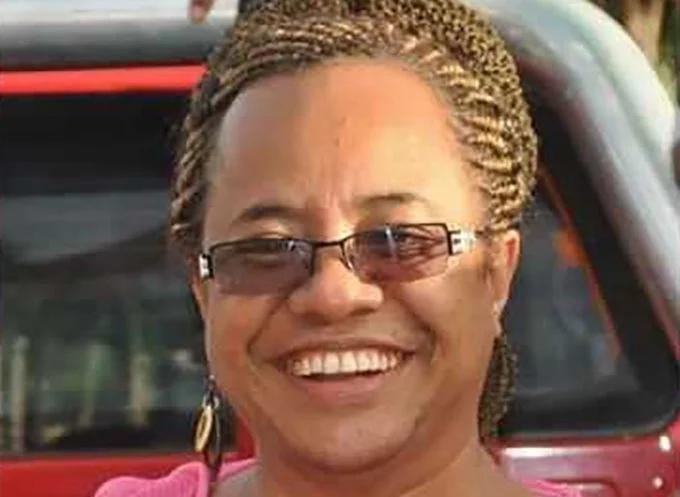
Photo courtesy of The National newspaper, Papua New Guinea.
For many viewers, she was simply the newsreader.
But for a young girl watching closely from her living room, she represented something far more powerful.
Titi Gabi carried herself with remarkable presence. Her voice was steady. Her delivery was clear and confident. She spoke about politics, national events, and global issues with an authority that commanded attention.
She did not raise her voice.
She did not dramatize the news.
She simply owned the room — even through a television screen.
Belinda watched her with fascination.
There was something magnetic about the way she spoke — a calm confidence that suggested she knew exactly what she was doing and exactly why it mattered.
For a young girl growing up in a country where public leadership roles were often dominated by men, seeing a woman deliver the nation’s stories with such authority was quietly revolutionary.
Belinda began to imagine something she had never imagined before.
What if I could do that?
Soon, the evening news stopped being something she simply watched.
It became something she studied.
She observed the way stories were introduced.
The rhythm of the sentences.
The way serious topics were explained clearly and calmly.
The way the presenter looked directly into the camera, as if speaking to every viewer personally.
And then something delightful began happening in her bedroom.
Belinda started creating her own news broadcasts.
She cut out scraps from newspapers and arranged them carefully as though they were scripts. She would stand or sit in front of an imaginary audience and begin reading the stories aloud.
Her delivery was serious.
Focused.
Determined.
In those quiet childhood moments, she imagined herself explaining important issues to the public.
She imagined asking the Prime Minister difficult questions.
She imagined standing in front of the nation and saying:
“Here is what is happening around you.”
There were no studio lights.
No microphones.
No cameras.
And certainly no makeup.
But the dream was already taking shape.
As the years passed, Belinda’s curiosity deepened. She began reading more about journalism, researching what kind of education or grades might lead someone into the profession.
The more she learned, the more she realized something that would later define her approach to media.
Journalism was not simply about reading the news.
It was about seeking truth.
It was about understanding people.
It was about asking the difficult questions that help societies grow.
By the time she entered the profession, Belinda understood something that many people spend years discovering.
Journalism is not a career built on comfort.
It is built on courage.
And as her career unfolded — covering political developments, social issues, community struggles, and national tragedies — she would come to recognize something deeply personal about her path.
Some people train to become journalists.
Others stumble into the profession.
But for Belinda, the journey felt almost inevitable.
Because long before she ever held a microphone or stepped into a newsroom, the instincts that define great journalism were already present.
The curiosity.
The empathy.
The refusal to stop asking questions.
“Journalists are not always created,” she says with quiet conviction.
“Sometimes… they are born.”
REPORTING A NATION | Carrying the Responsibility of Truth
Journalism in Papua New Guinea is not simply about reporting events.
It is not just about microphones, headlines, or evening broadcasts.
In a nation as diverse and deeply layered as PNG — a country home to more than 800 languages, thousands of cultural traditions, and communities spread across mountains, islands, and dense rainforest — journalism becomes something much more profound.
It becomes a responsibility.
A responsibility to represent people who may never appear in international headlines.
A responsibility to capture the realities of communities often misunderstood by the outside world.
A responsibility to ensure that the stories of Papua New Guinea are not simplified, distorted, or forgotten.
For Belinda Kora, this responsibility is not something she takes lightly.
From the moment she entered the newsroom, she understood that every story carried weight.
Every interview represented someone’s life.
Every report had the potential to shape how others understood her country.
“The greatest responsibility I have,” she explains, “is ensuring I never misrepresent my people, my culture, or my country.”
It is a statement she carries not only as a professional principle, but as a personal commitment.
Because for Belinda, journalism is not just about delivering information.
It is about protecting the dignity of the stories being told.
Papua New Guinea is often portrayed through narrow lenses — stories of political conflict, security concerns, or economic challenges. While these realities exist and must be reported, Belinda believes that journalism must go deeper.
It must capture the human experience behind the headlines.
The mothers raising children in remote villages.
The fishermen navigating dangerous seas to support their families.
The teachers, nurses, and community leaders who work quietly every day to improve life for those around them.
And when those stories involve tragedy, the emotional burden of reporting them becomes very real.
Throughout her career, Belinda has covered many difficult events. But one story remains etched into her memory with painful clarity.
The Rabaul Queen ferry disaster.
In February 2012, the ferry sank off the coast of Papua New Guinea, claiming the lives of many passengers who had simply been trying to reach their destination — workers returning home, families travelling together, students pursuing opportunities.
The nation was devastated.
In the newsroom, journalists faced the enormous task of reporting the unfolding tragedy.
For Belinda, one of the most difficult moments came when she was asked to read the names of those who had lost their lives.
It was not just a list.
It was a roll call of human stories.
One by one.
Name after name.
Each name represented a person who had dreams, loved ones, and a future that had suddenly disappeared beneath the sea.
As she read those names live on air, Belinda felt the emotional weight pressing heavily against the professionalism she was trained to maintain.
“I almost cried on air,” she recalls quietly.
“These were our people.”
Behind every name was a grieving family.
A village waiting for someone who would never return.
A community left searching for answers.
In moments like these, the traditional idea of journalism — the notion that reporters must remain emotionally distant — becomes almost impossible.
Because in Papua New Guinea, stories rarely belong to strangers.
They belong to neighbors, relatives, and communities connected through culture and shared identity.
For Belinda, that experience changed the way she thought about her role as a journalist.
She realized that journalism is not about standing outside the story.
It is about standing within the humanity of it, while still ensuring the truth is told with clarity and integrity.
Even today, years after the disaster, Belinda remains connected to some of the families affected by the tragedy.
When she travels to different provinces for work, she occasionally encounters relatives of those who lost their lives — people who remember that moment when their loved ones’ names were spoken publicly.
Those encounters are powerful reminders that journalism does not end when the broadcast finishes.
Stories continue.
Lives continue.
And the impact of those moments stays with the people who lived through them.
For Belinda, the experience reinforced a truth she carries into every story she reports.
Journalism is not about distance.
It is not about detachment.
It is about human connection.
It is about recognizing that behind every statistic, every policy decision, every national debate — there are real people whose lives are affected.
And it is about ensuring that when those stories are told, they are told with honesty, compassion, and respect.
Because in a country like Papua New Guinea, journalism is not just about informing the public.
It is about honoring the voices of the people.
WOMEN IN MEDIA | Breaking Barriers in a Male-Dominated Industry
When Belinda Kora stepped into the newsroom in 2002, she entered an industry that, like many professions at the time, was overwhelmingly male-dominated.
Newsrooms were busy, competitive environments where long hours, unpredictable assignments, and intense pressure were part of daily life. Journalists were expected to move quickly, chase stories aggressively, and navigate the often complex world of politics, business, and public life.
For women entering the field, however, the challenges extended beyond the work itself.
They also had to confront a persistent question that hovered quietly in the background of their careers:
Could women really do this job?
In those early years, female journalists were often underestimated. Their presence in the newsroom was sometimes viewed as unusual, even temporary — as though they were visitors in a profession built primarily for men.
Belinda encountered these attitudes firsthand.
When she secured major stories — interviews with ministers, political figures, and senior leaders — the reactions from some colleagues were not always encouraging.
Instead of acknowledging the effort, research, and persistence required to secure such interviews, some would dismiss her success with casual remarks.
“Oh, it’s because she’s a woman.”
The implication was clear: that doors had opened for her not because of skill, preparation, or determination, but simply because of her gender.
For many people, comments like these might have been discouraging.
For Belinda, they became fuel.
Rather than stepping back, she leaned further into the work.
She pursued stronger stories.
Prepared more thoroughly for interviews.
Asked sharper, more precise questions.
She understood that journalism, at its core, rewards those who are persistent, curious, and fearless — qualities that have nothing to do with gender.
Over time, her work began to speak louder than any dismissive comment ever could.
But Belinda also recognized something larger at play.
Her experiences were not unique.
Across Papua New Guinea, other women working in media were facing similar challenges — balancing demanding careers with cultural expectations, navigating environments where they were sometimes overlooked, and searching for spaces where they could speak openly about their experiences.
The profession could be isolating.
Journalists often work irregular hours, chasing stories late into the night or travelling long distances on short notice. For women, these challenges were often compounded by societal expectations surrounding family roles and responsibilities.
Belinda realized that if women in media were going to thrive, they needed something more than resilience.
They needed community.
Out of that realization grew the idea for Women in Media — an initiative designed to support, connect, and empower female journalists across Papua New Guinea.
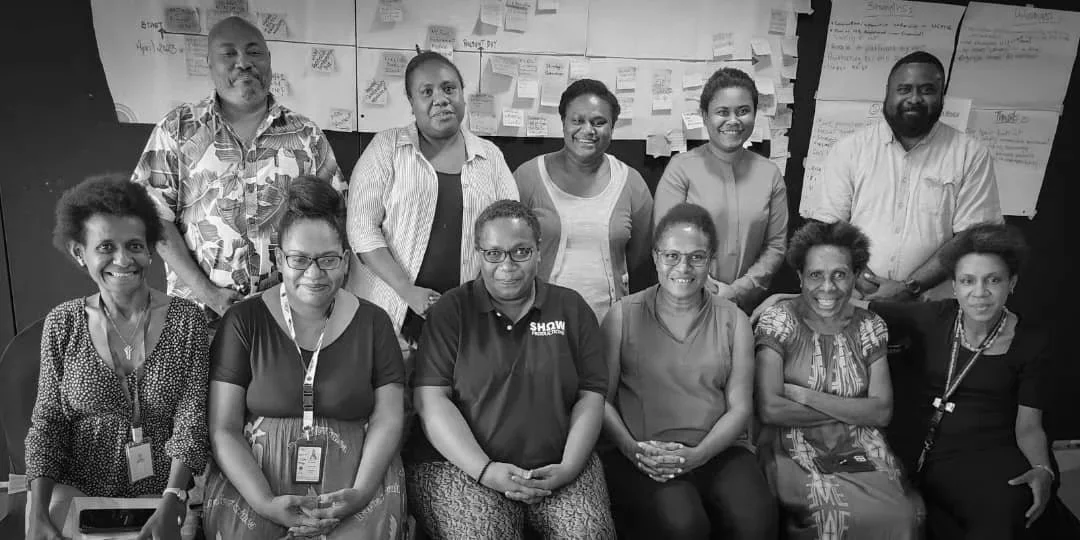
Photo courtesy of the Media Council of Papua New Guinea – Women in Media PNG initiative.
Source: Women in Media PNG webpage — https://www.mcpng.net/womeninmedia
The goal was simple, yet powerful: to create a space where women in the profession could support one another, share experiences, and build stronger networks within the industry.
What began as a small effort among like-minded journalists quickly grew into something deeply meaningful.
Women from different media organizations — television, radio, print, and digital platforms — began connecting through the initiative. They shared stories about the challenges they faced, the successes they celebrated, and the lessons they learned along the way.
Mentorship became a cornerstone of the group.
Senior journalists offered guidance to younger reporters just beginning their careers, helping them navigate everything from interviewing techniques to workplace dynamics.
One of the most impactful tools to emerge from the initiative was something deceptively simple: a WhatsApp group.
In an industry where journalists are constantly moving between assignments, the group became a digital meeting place — a space where members could ask questions, seek advice, celebrate successes, or simply share encouragement during difficult days.
For many women in the profession, that space became invaluable.
It provided reassurance that they were not alone.
It created opportunities for mentorship and collaboration.
And it fostered a sense of solidarity that had previously been difficult to find.
Beyond practical support, the initiative also sent a powerful message to the wider media landscape.
Women were not just participants in the profession.
They were leaders within it.
Today, Women in Media continues to stand as an important network for female journalists in Papua New Guinea — a testament to what can happen when women choose to support one another rather than compete in isolation.
For Belinda, the initiative represents something deeply personal.
It reflects her belief that journalism is strongest when it includes many voices, many perspectives, and many experiences.
Because when women are given the space to grow, lead, and tell stories in their own voices, the entire profession becomes richer.
And the stories of a nation are told with greater depth, honesty, and understanding.
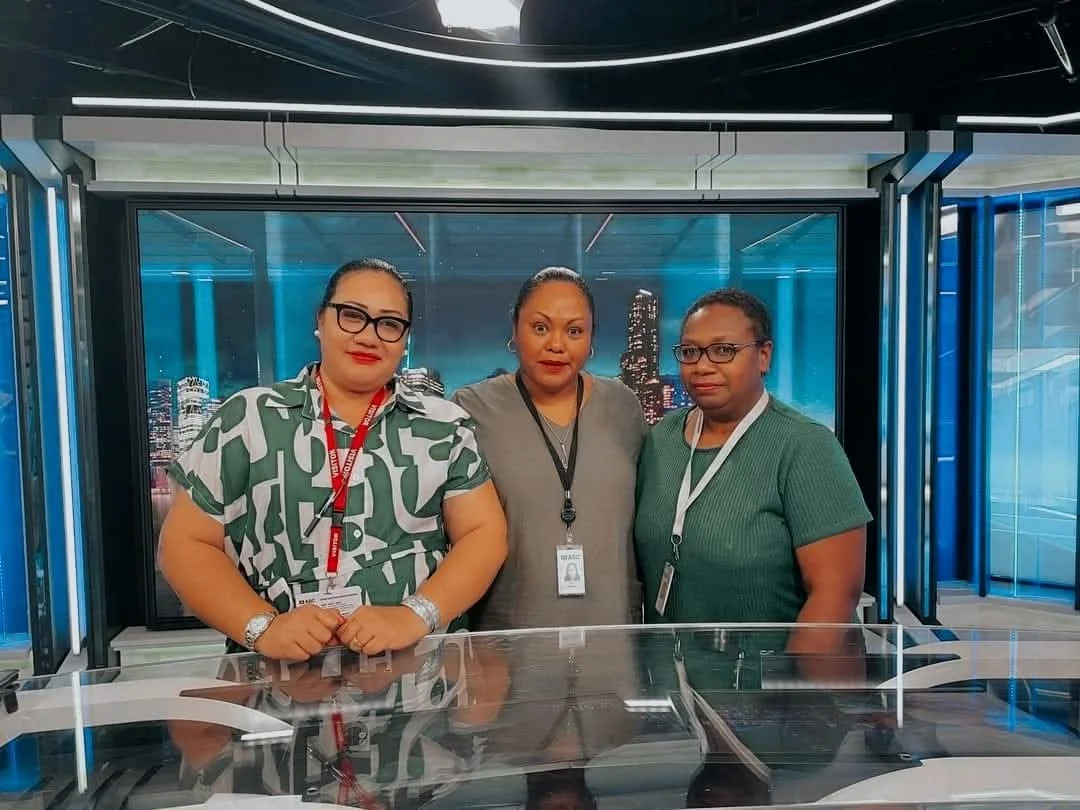
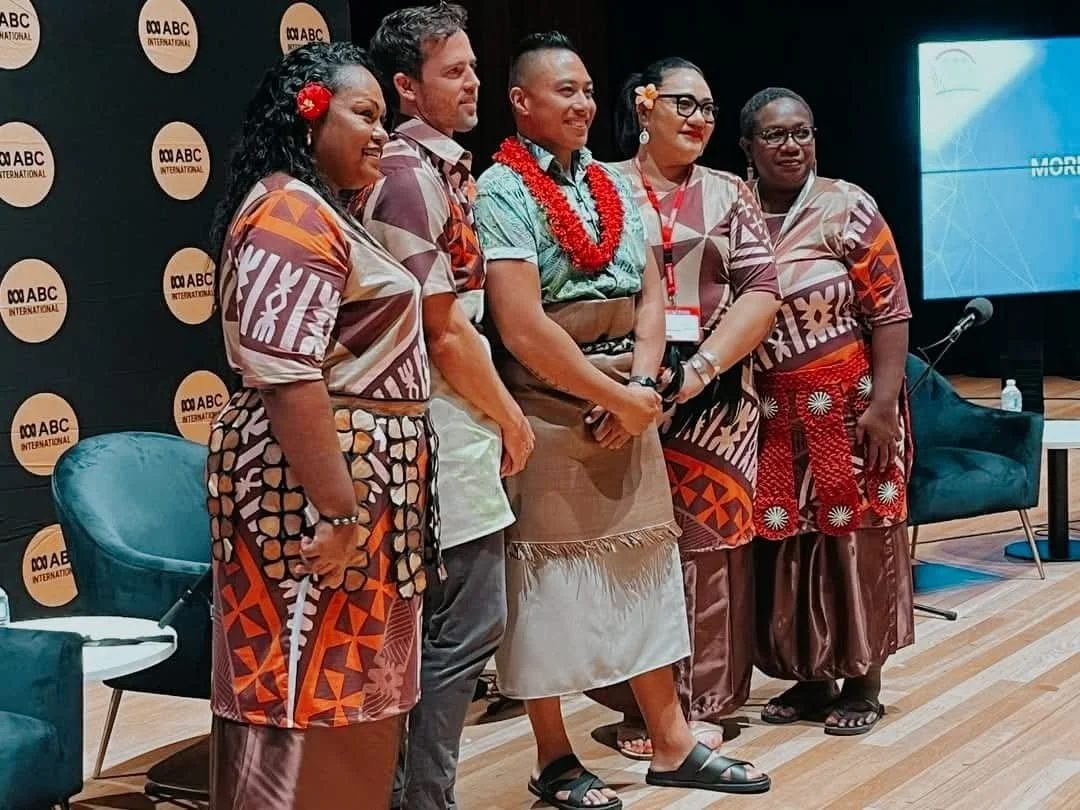
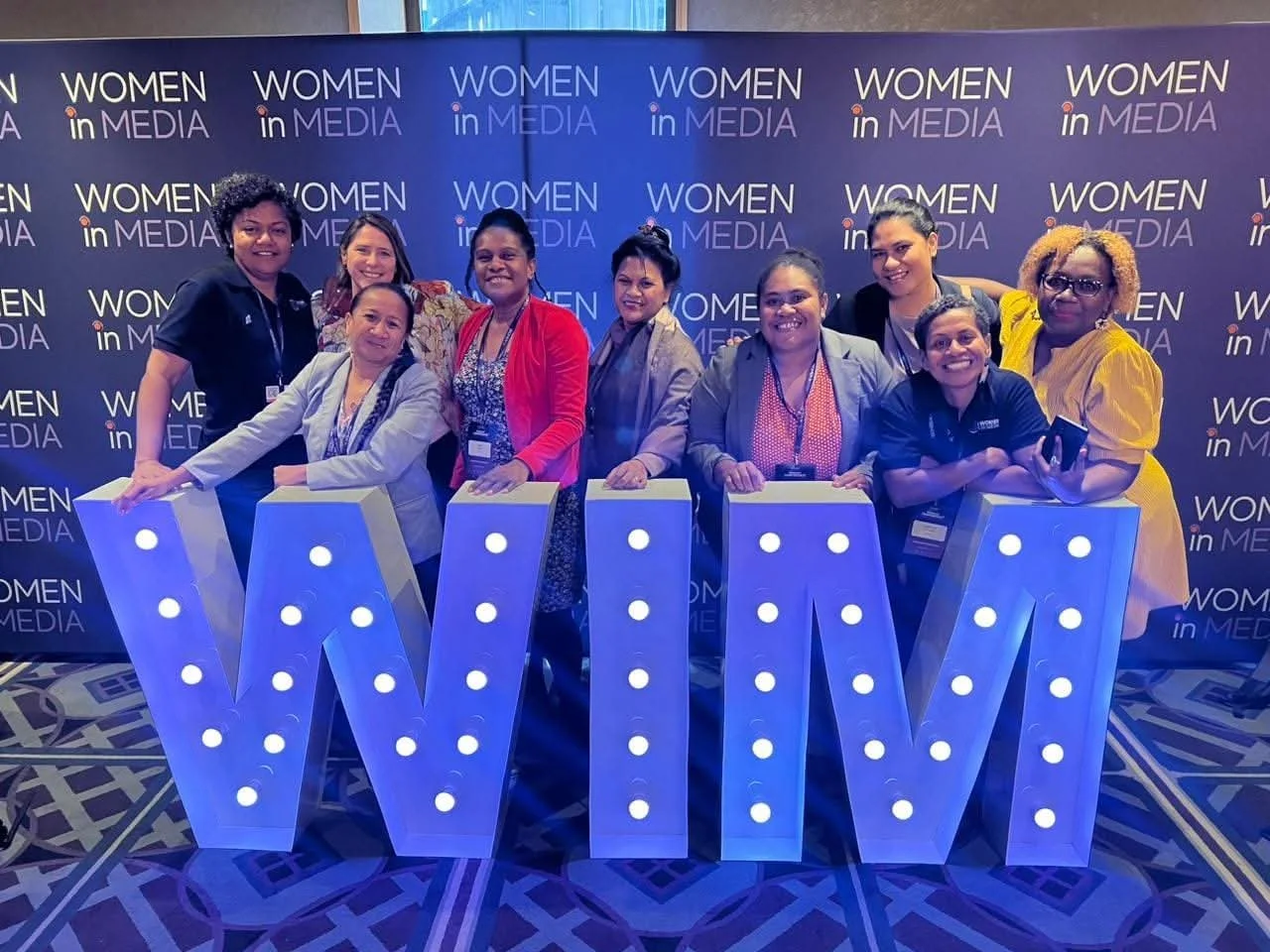
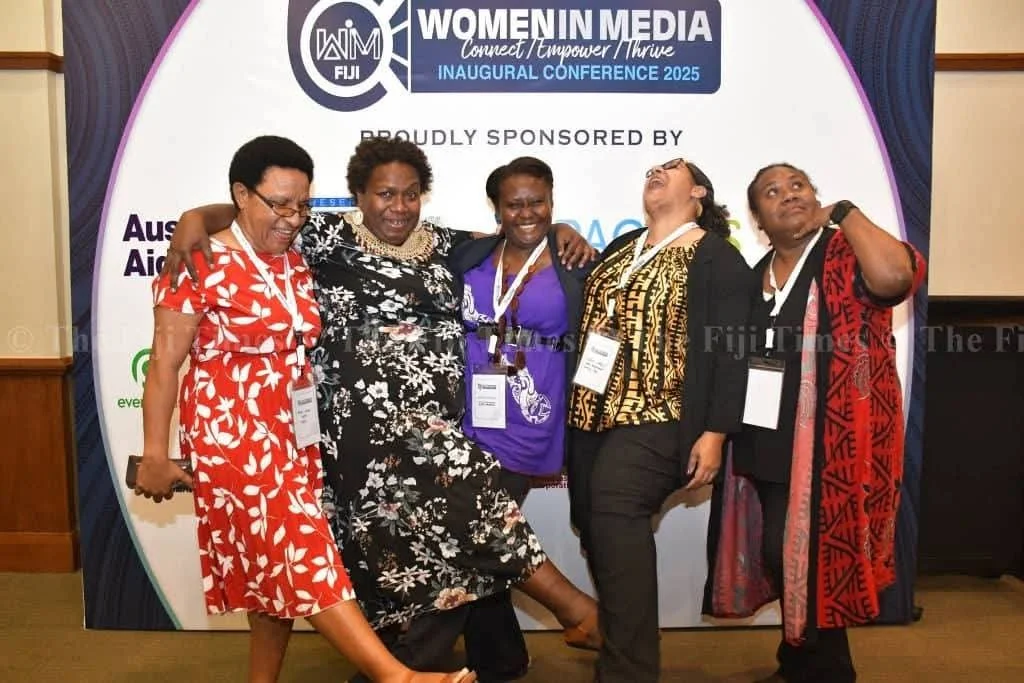
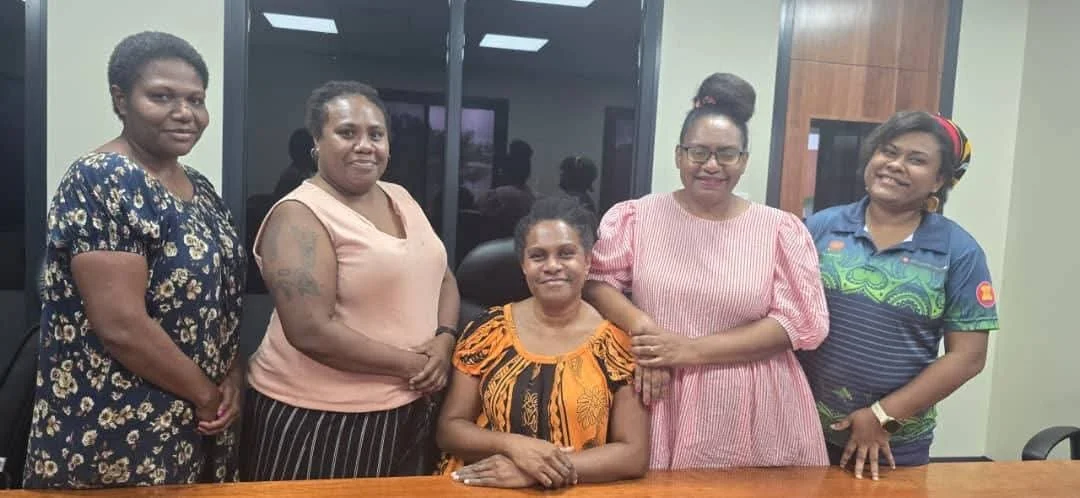
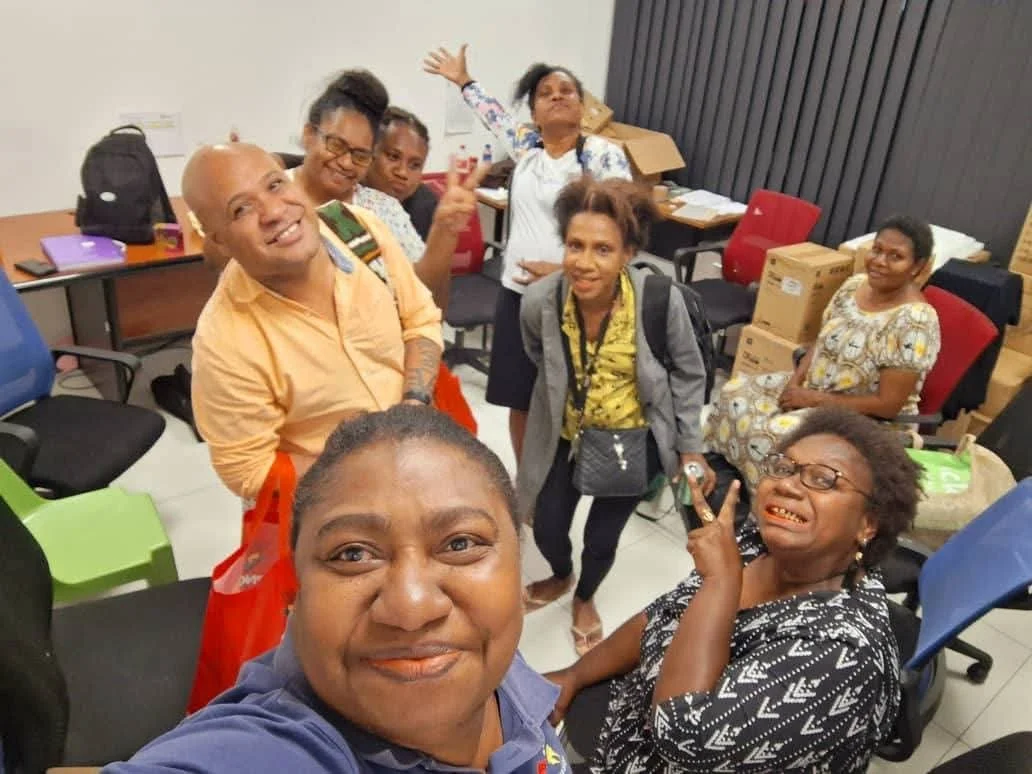
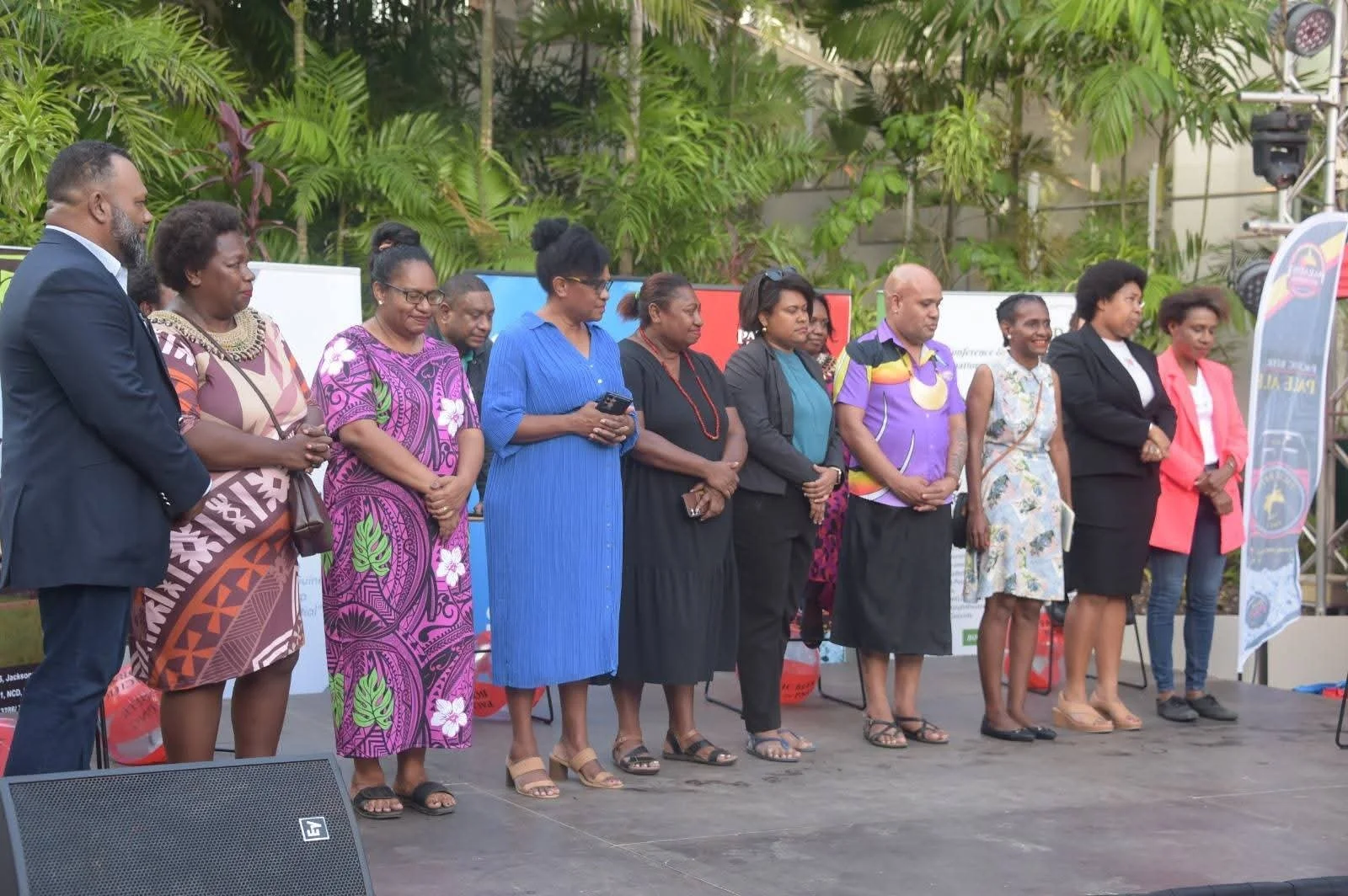
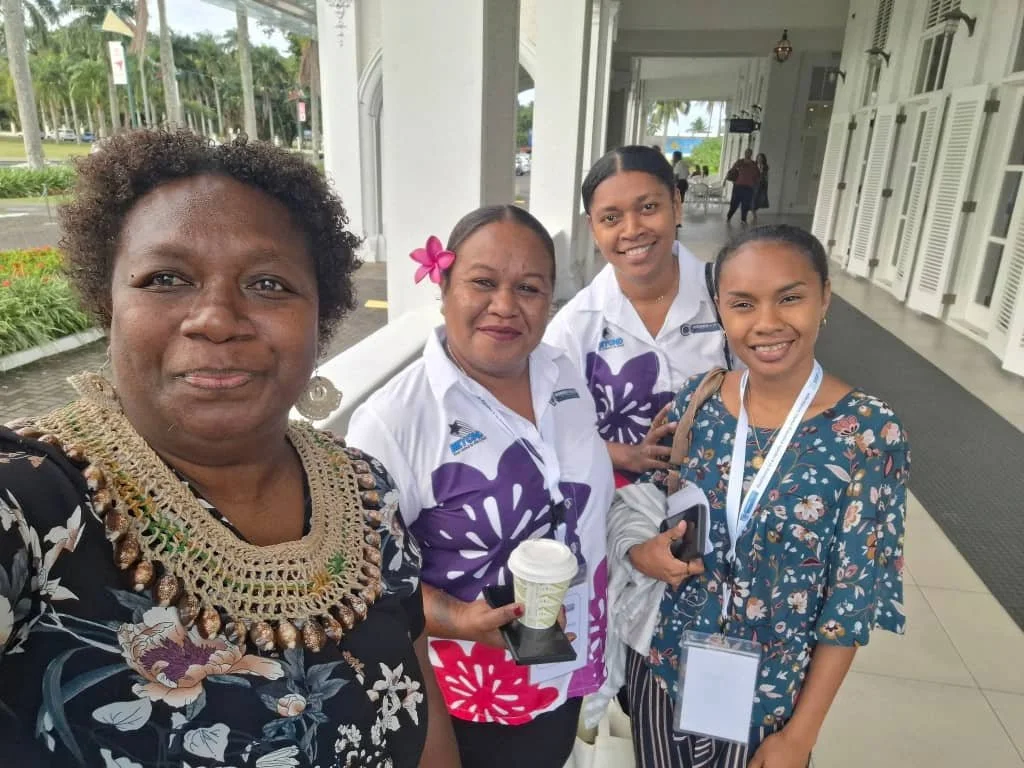
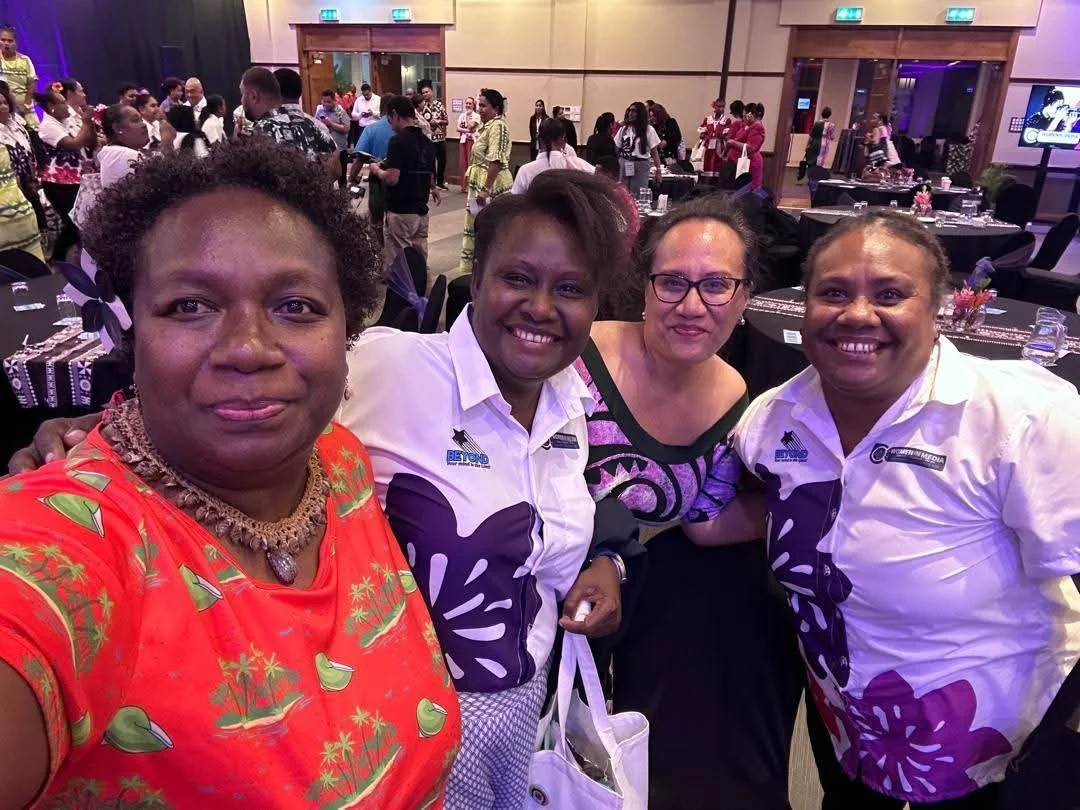
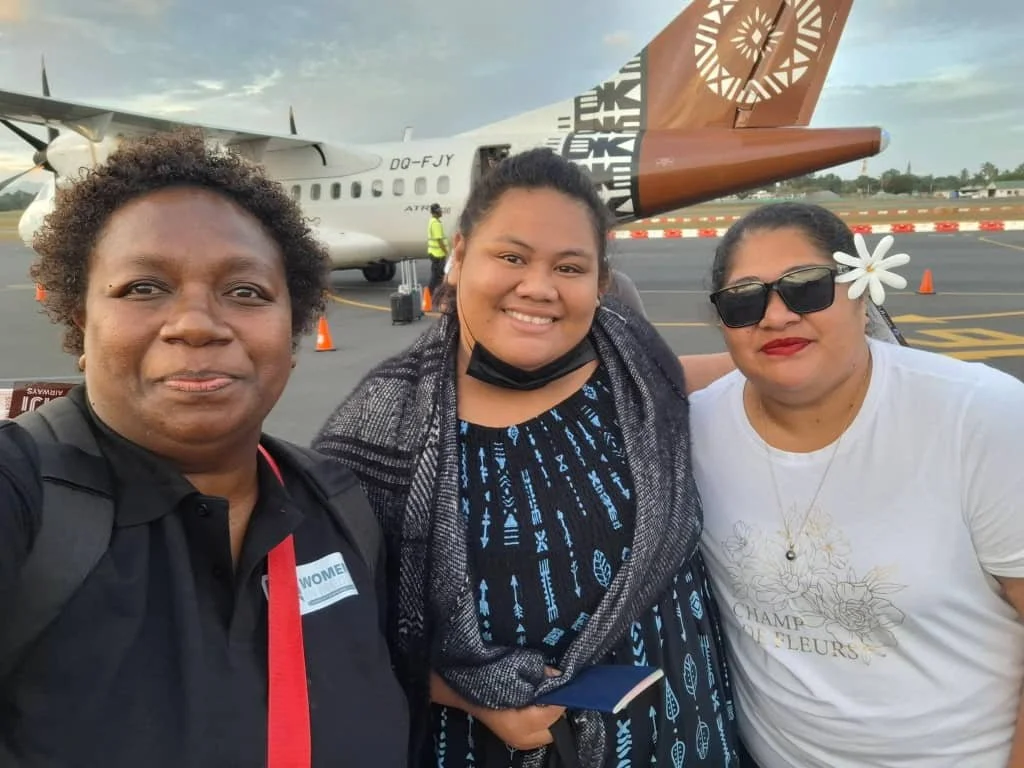
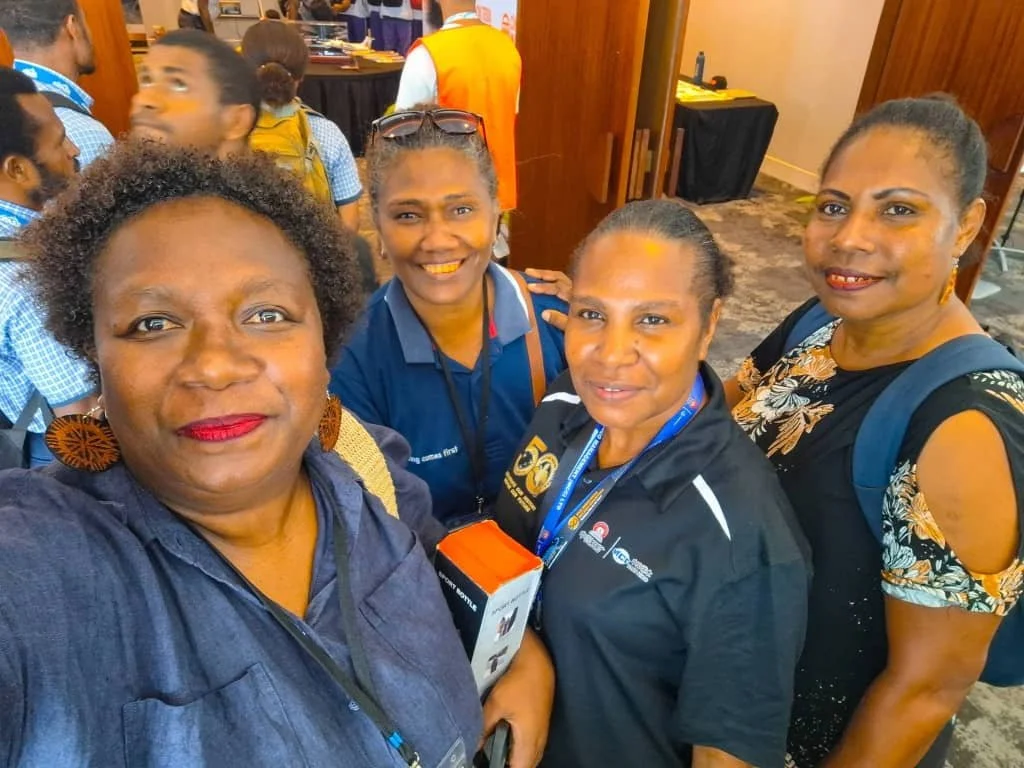
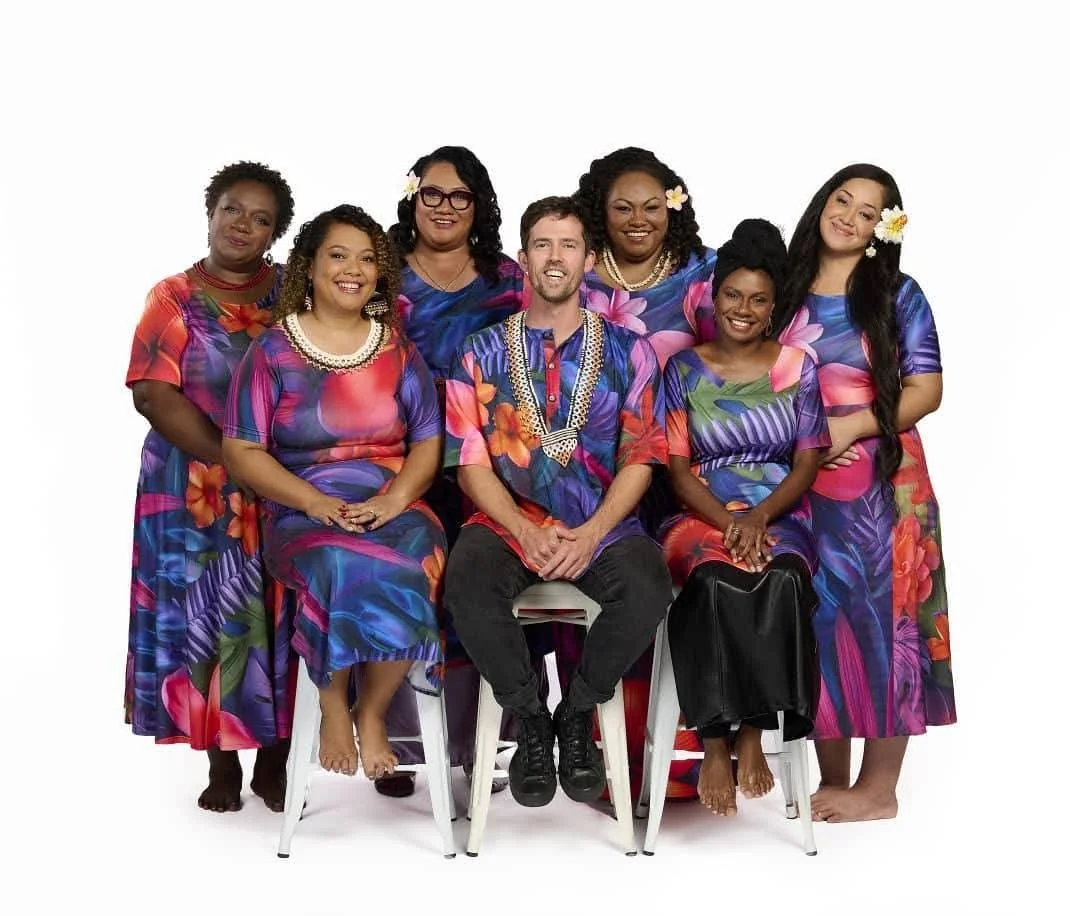
Women in Media in Papua New Guinea, the Pacific, and Beyond.
Images provided by Belinda Kora.
THE WOMAN BEHIND THE MICROPHONE | Finding Balance in a Demanding Profession
Journalism is often romanticized as a profession filled with excitement — breaking news, interviews with powerful figures, and the thrill of uncovering important truths. But behind the public image lies a far more demanding reality.
For journalists, especially those working in environments where stories are deeply personal and emotionally charged, the profession requires an extraordinary amount of emotional resilience.
Every day can bring stories of hardship, loss, injustice, or struggle. Reporters are often the first to witness grief, the first to ask questions in moments of crisis, and the ones responsible for translating those difficult realities into narratives the public can understand.
Over time, those experiences accumulate.
They stay with you.
For Belinda Kora, whose career has involved reporting on tragedies, political tensions, social challenges, and the everyday struggles faced by communities across Papua New Guinea, the emotional weight of journalism is something she understands intimately.
It is impossible to hear the pain in someone’s voice, to see the impact of loss in a family’s eyes, or to witness communities grappling with difficult circumstances without feeling something in return.
And yet, journalists must continue working.
They must ask questions.
They must tell the story.
For Belinda, the key to maintaining balance in this demanding profession lies in something deeply rooted in her upbringing — family.
The values instilled in her during childhood remain the foundation that keeps her grounded, even after years of navigating the intensity of the media industry.
Family, for Belinda, is not just a support system. It is a reminder of identity, belonging, and perspective.
No matter how busy her professional life becomes, she makes every effort to remain present for the moments that matter most.
Family birthdays.
Gatherings where laughter and conversation flow easily.
Traditional ceremonies and cultural obligations.
And perhaps most importantly, haus krai — the deeply significant mourning gatherings that bring communities together during times of loss.
Attending these moments is more than just fulfilling social expectations.
For Belinda, they are acts of connection.
They remind her that beyond the microphone, beyond the headlines, beyond the pressures of deadlines and broadcasts, she remains part of a larger network of relationships and shared humanity.
In these gatherings, she is not a journalist.
She is a daughter.
A sister.
A relative.
A friend.
And in those roles, she finds the grounding necessary to continue doing her work with empathy and strength.
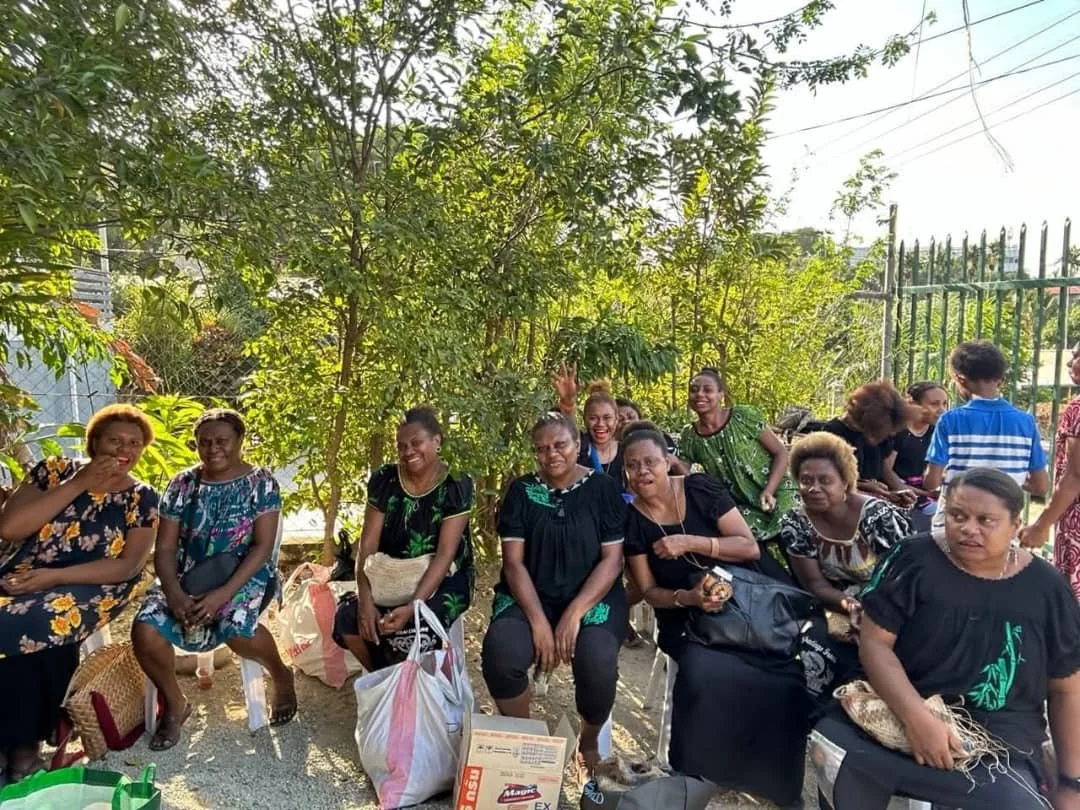
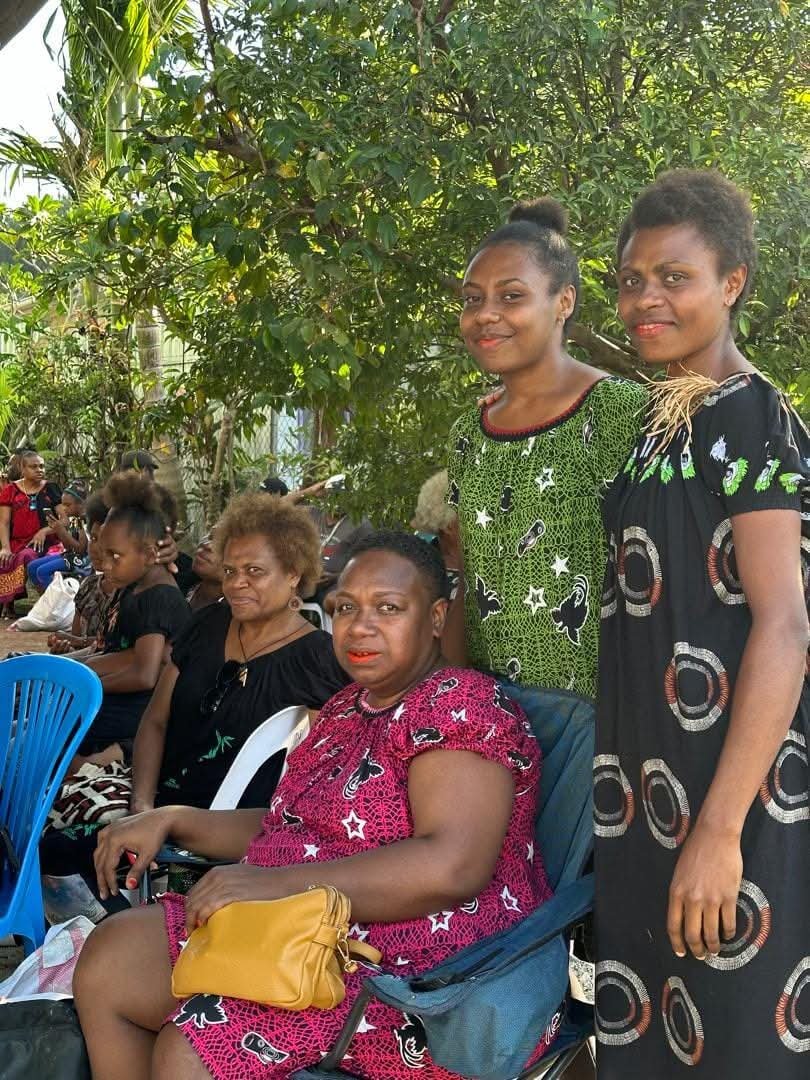
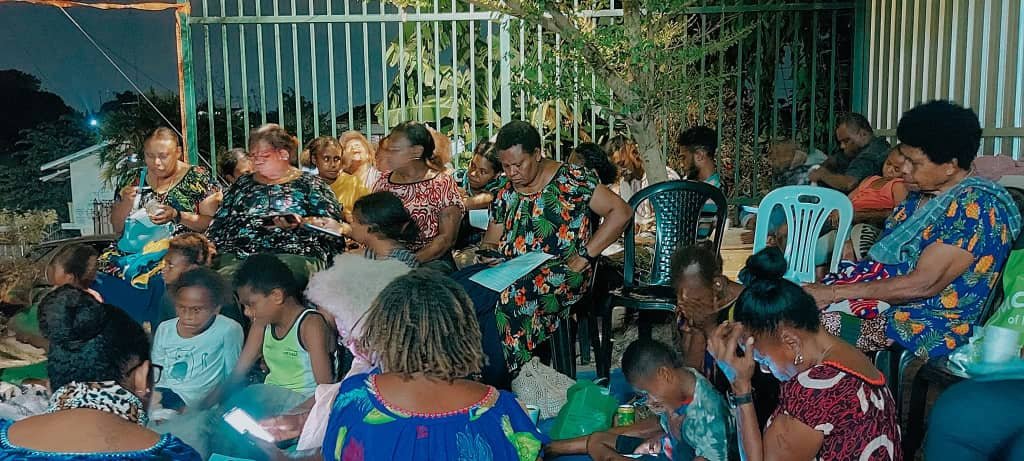
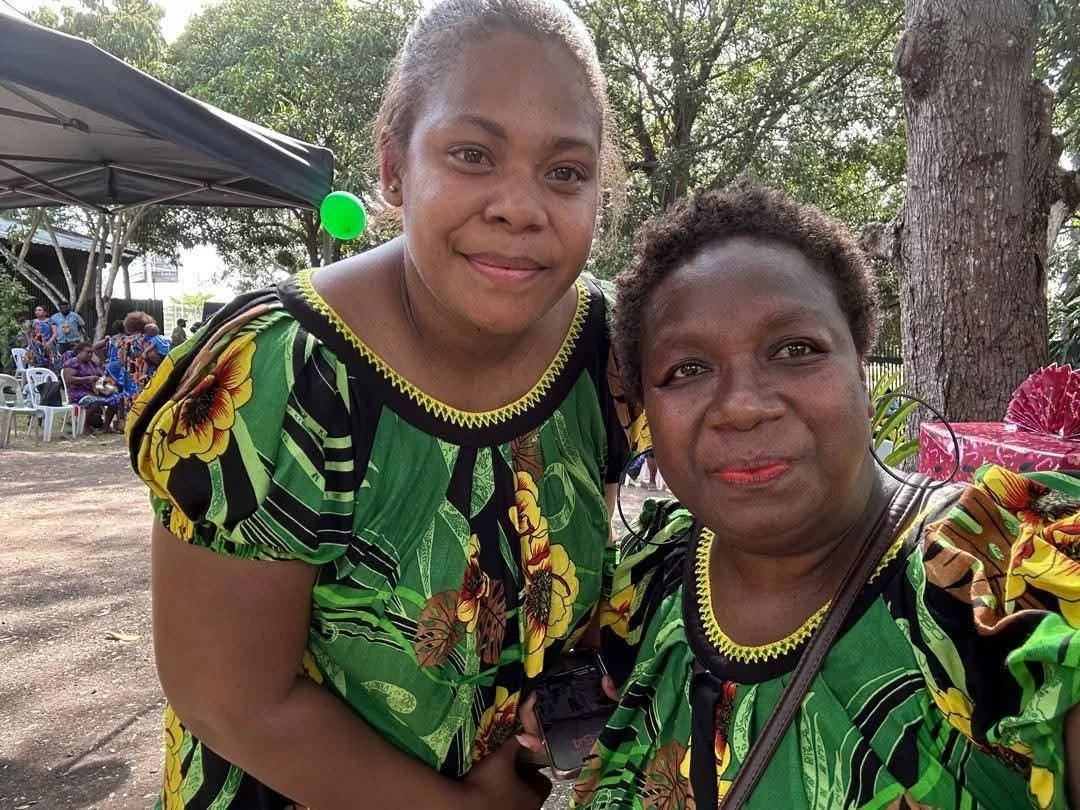
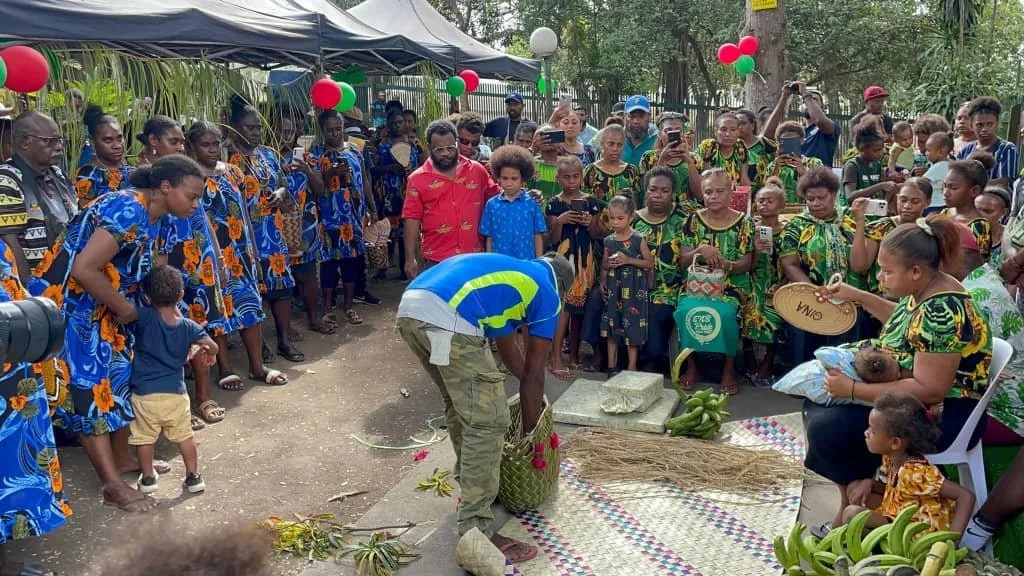
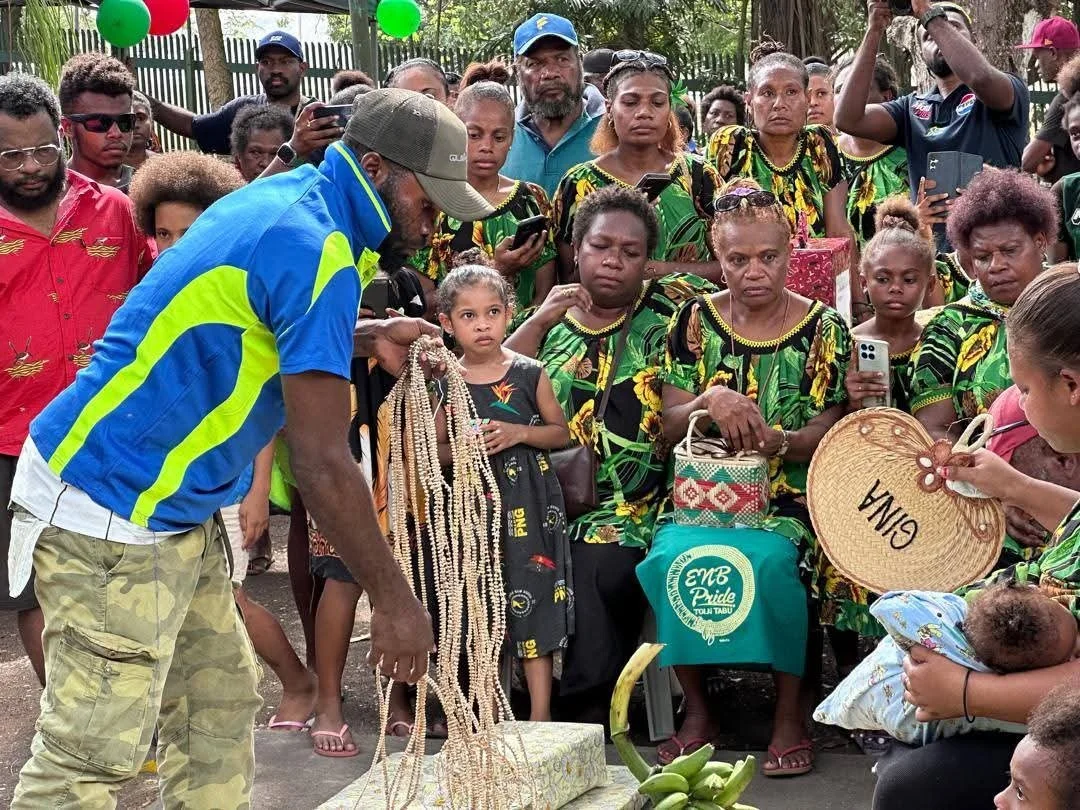
Belinda doing custom work, maintaining traditions and strong family connections. Image provided by Belinda Kora.
These moments also reconnect her to the cultural foundations that shaped her identity — the very traditions and communal values that inform the way she approaches storytelling in the first place.
But balance also comes from quieter spaces.
Outside of the newsroom, Belinda finds joy in simple pleasures that allow her to step away from the intensity of the news cycle.
Time with close friends — the kind of friendships built on trust, laughter, and shared experiences — offers a sense of ease that journalism rarely provides.
She finds peace by the ocean, where the vastness of the sea offers perspective and calm.
Music, too, plays its role — a reminder that life is filled with rhythm and beauty even when the stories she covers are difficult.
And sometimes, after long days of work, she enjoys the simple comfort of good conversation shared over a glass of fine wine, allowing herself the space to relax and reflect.
These small rituals of rest and connection are not luxuries.
They are necessities.
Because journalism is a profession that rarely slows down.
News breaks at any hour.
Stories emerge unexpectedly.
Communities need their voices heard.
For Belinda, maintaining emotional balance is about recognizing that to tell the stories of others with compassion and clarity, she must also care for her own well-being.
It is a quiet discipline — one that allows her to return to the newsroom again and again with renewed strength.
Because behind every great journalist is not just a professional voice, but a human being who must continually find ways to remain grounded, present, and resilient.
And for Belinda Kora, that balance comes from the people she loves, the traditions she honors, and the moments of peace she allows herself between the stories that shape her life.
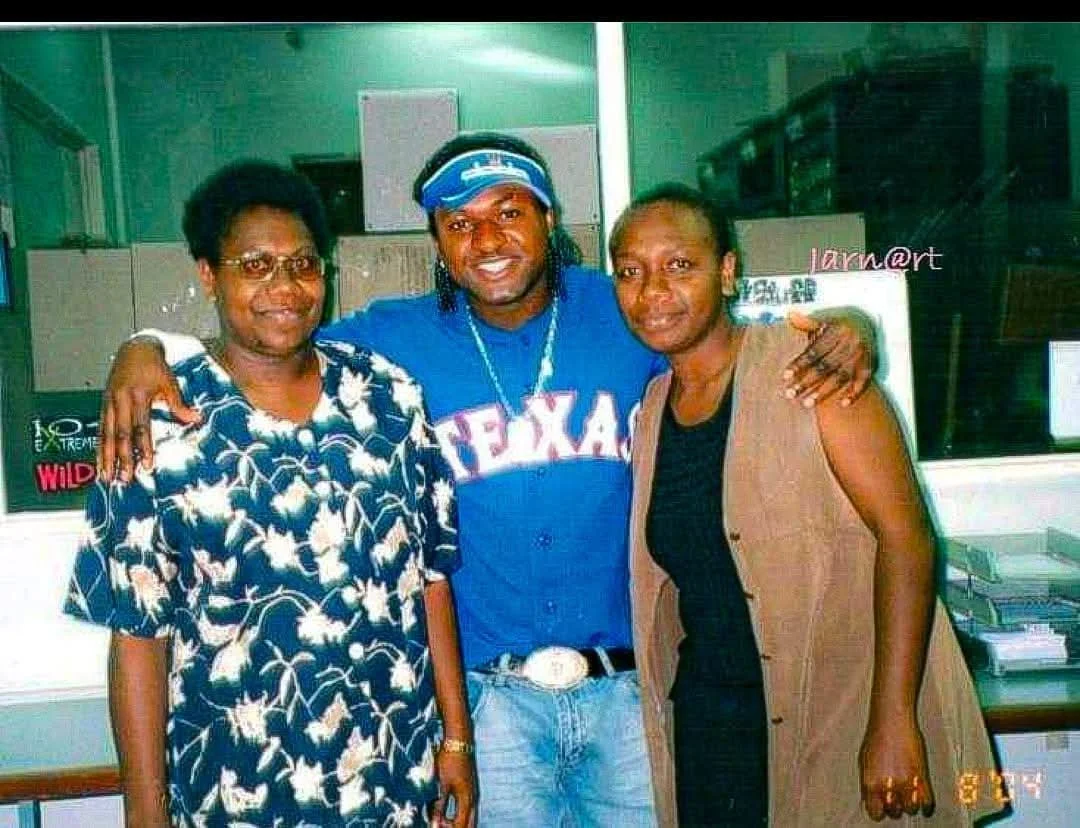
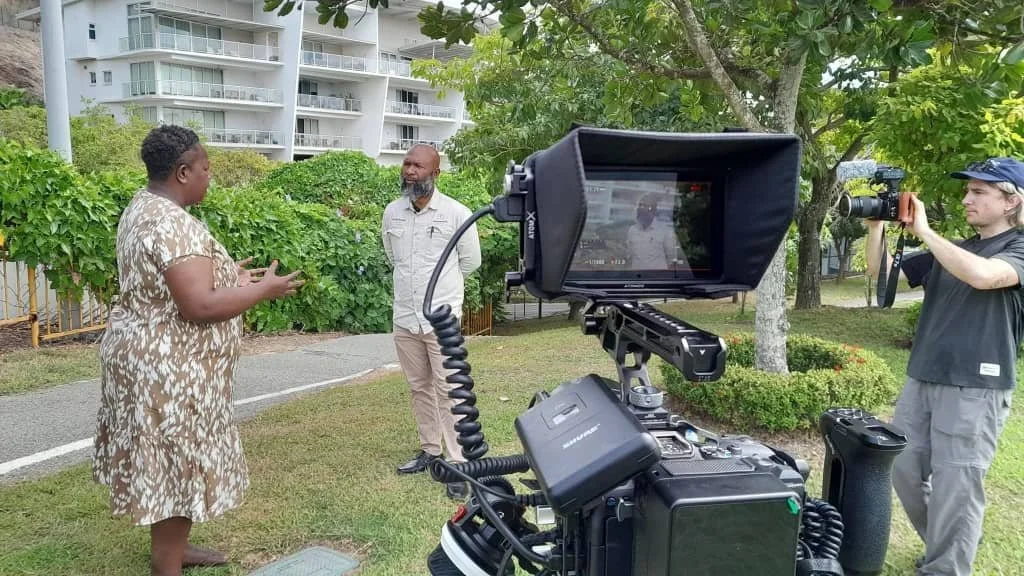
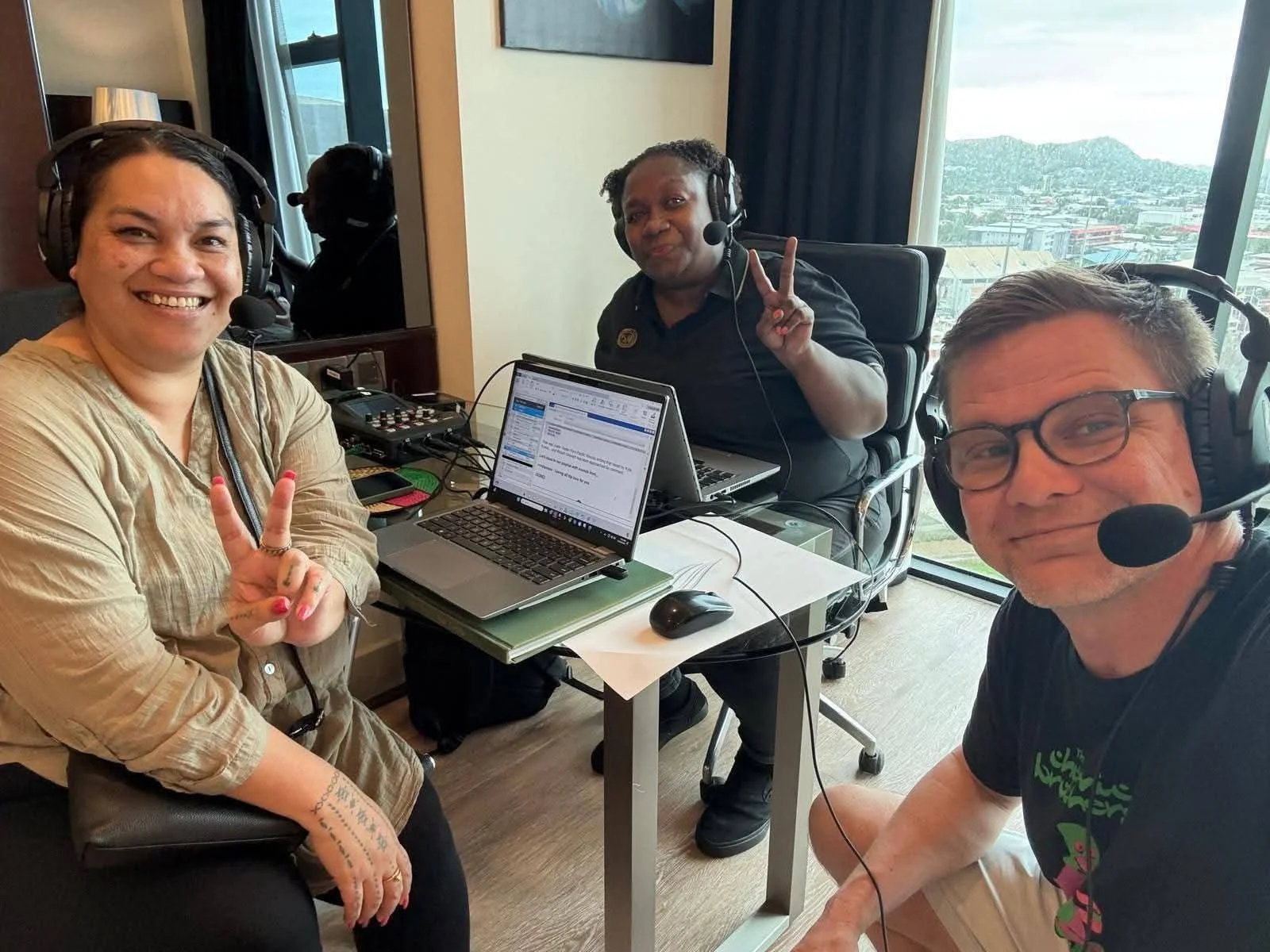
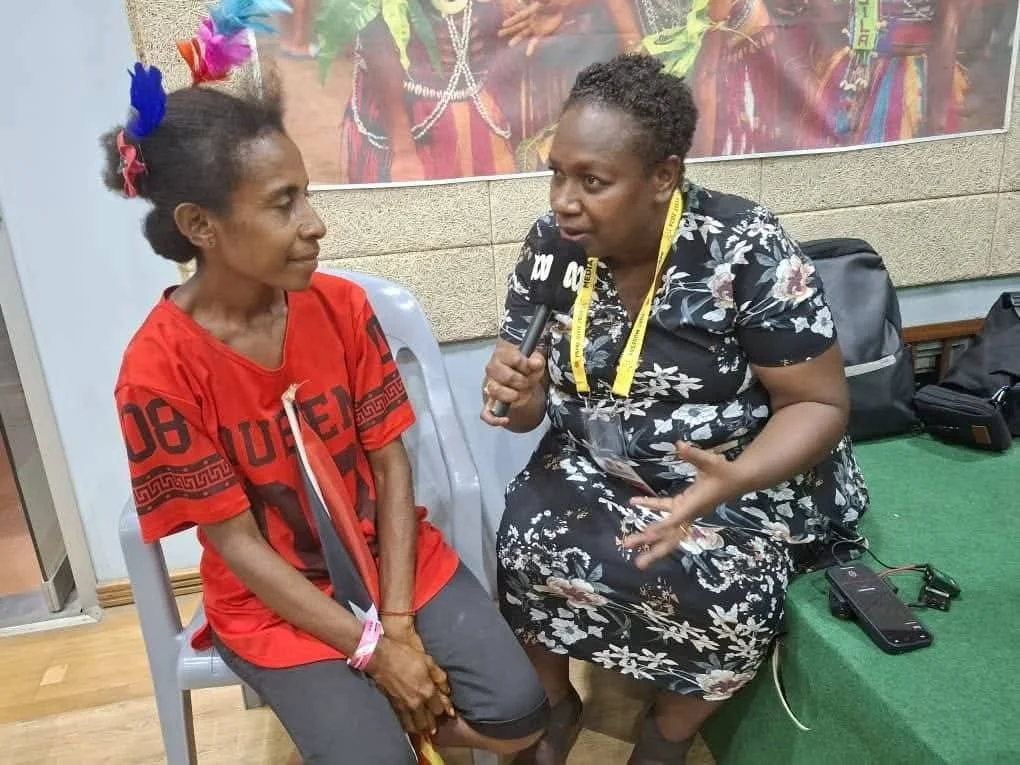
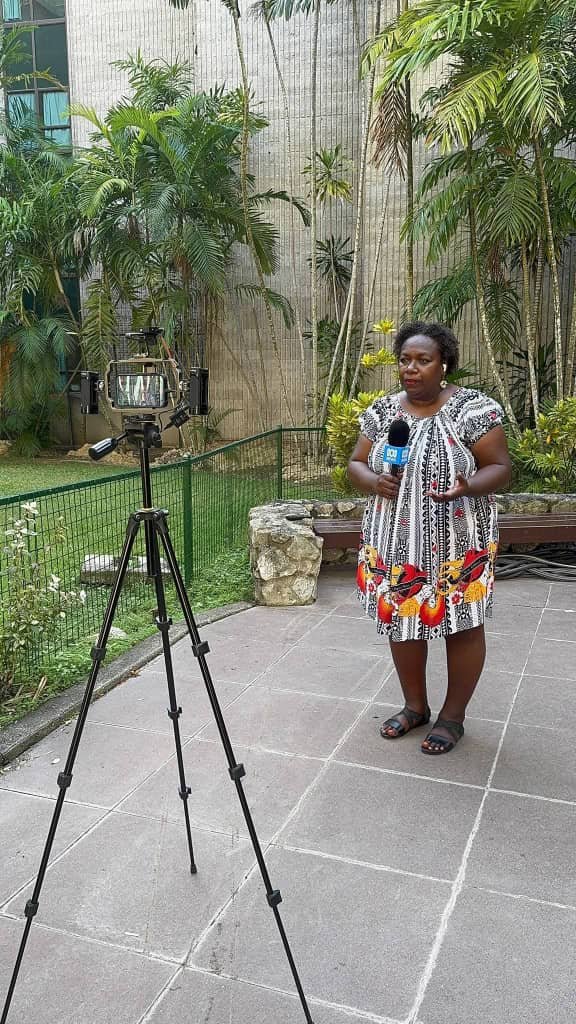
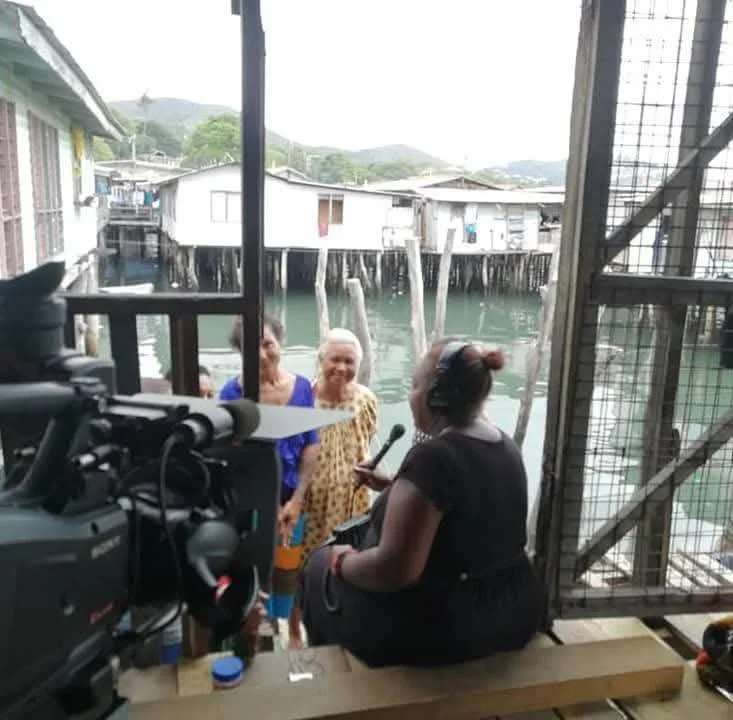
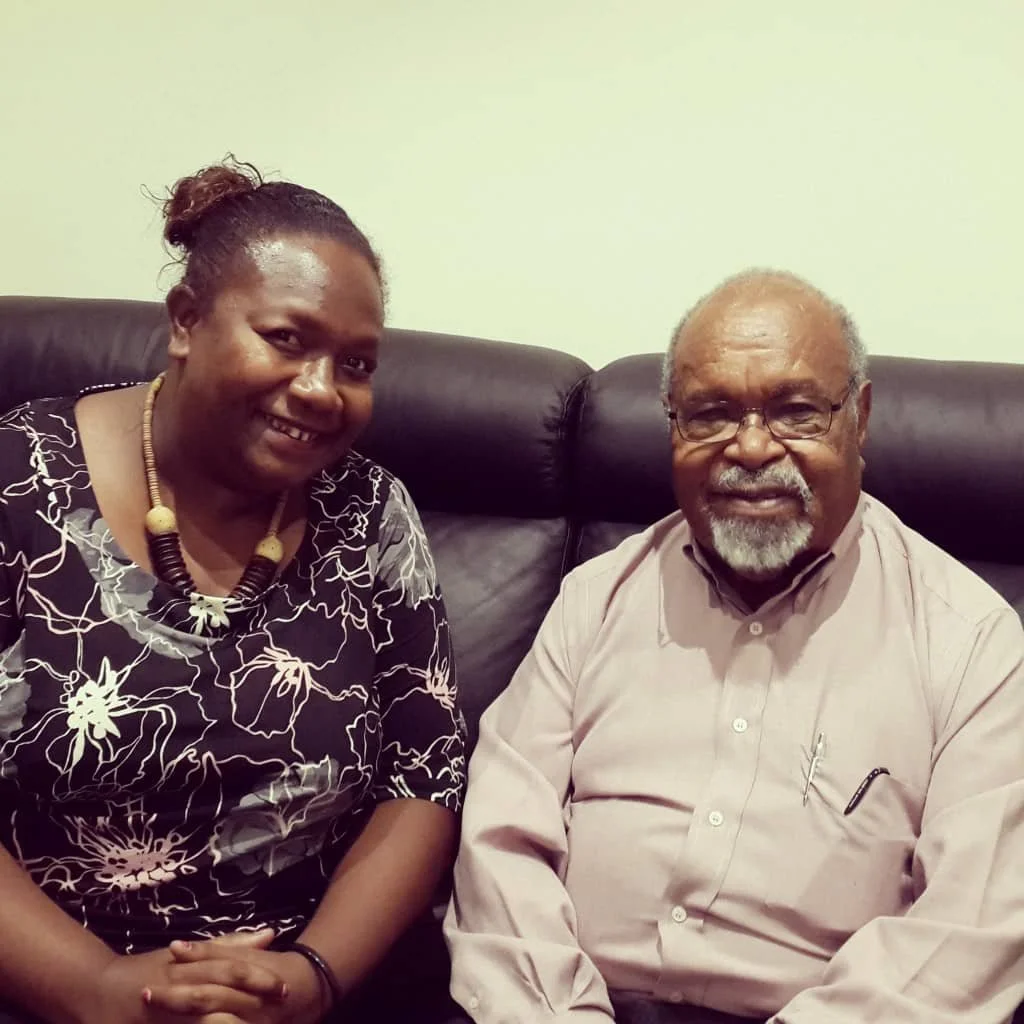
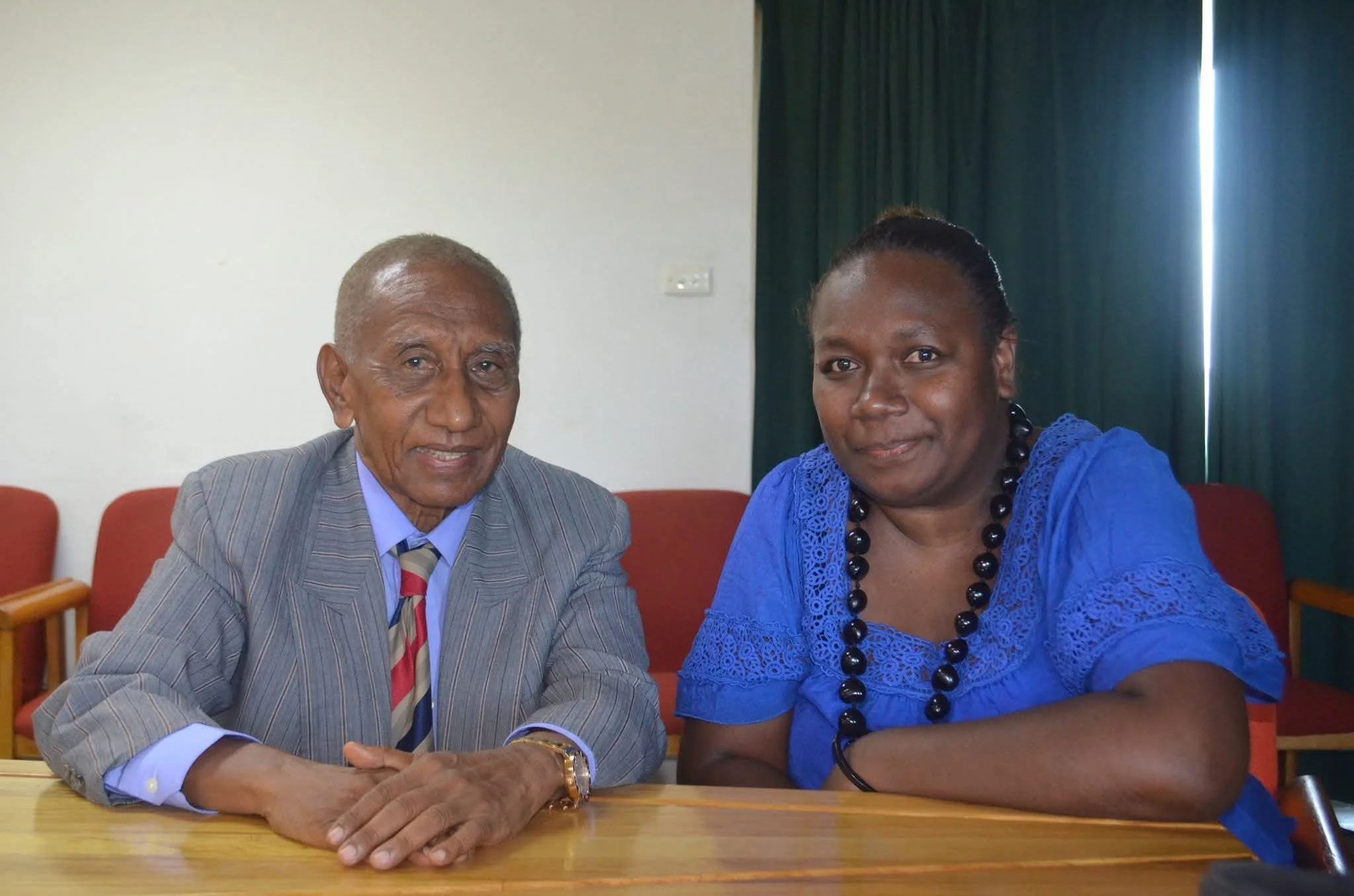
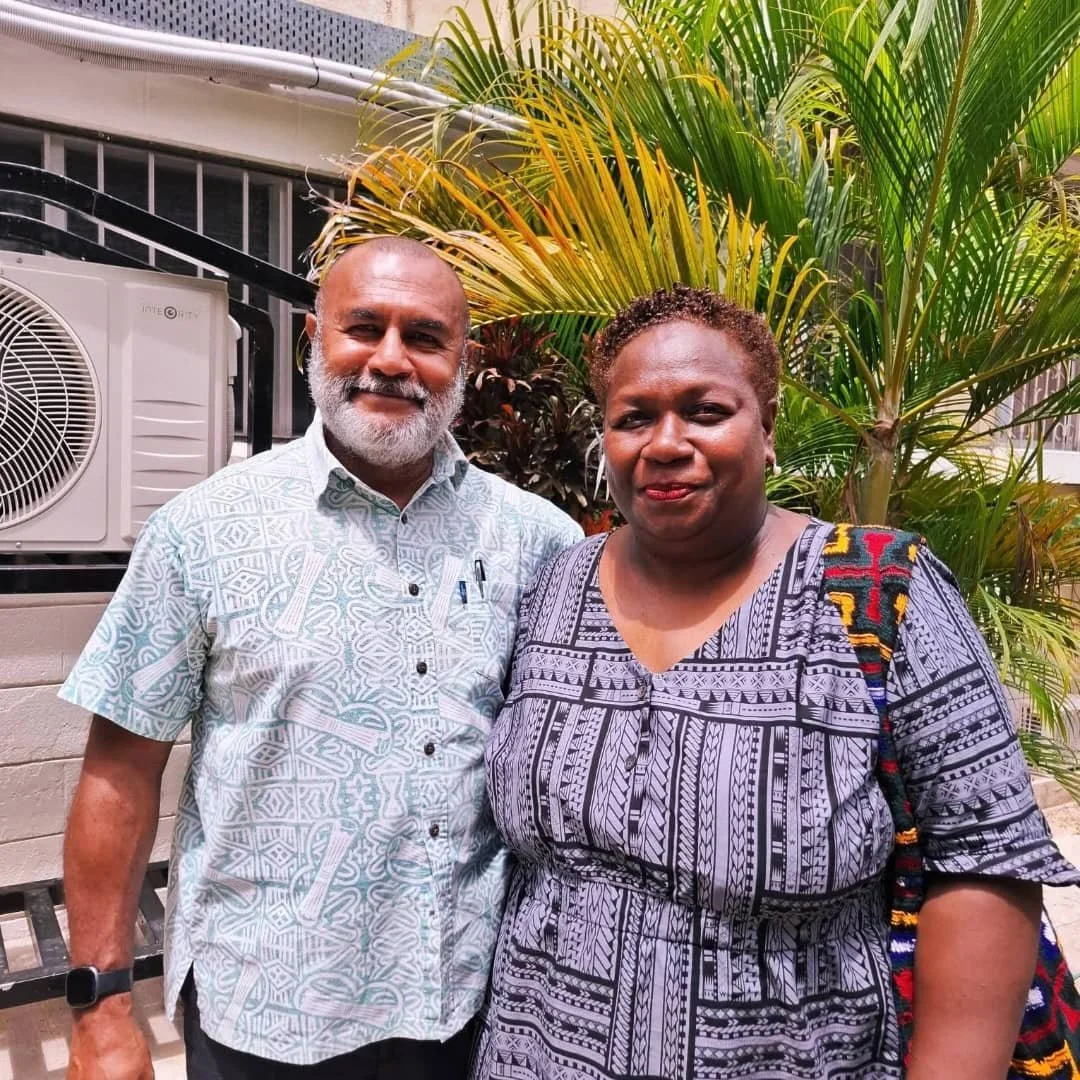
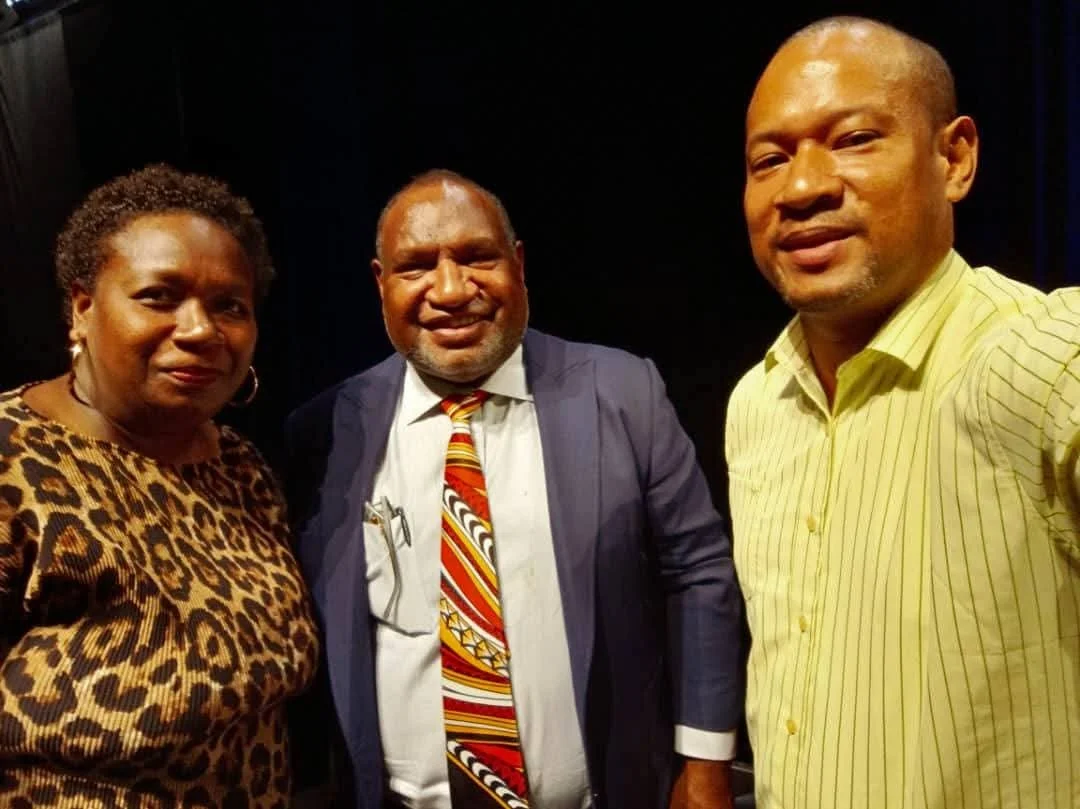
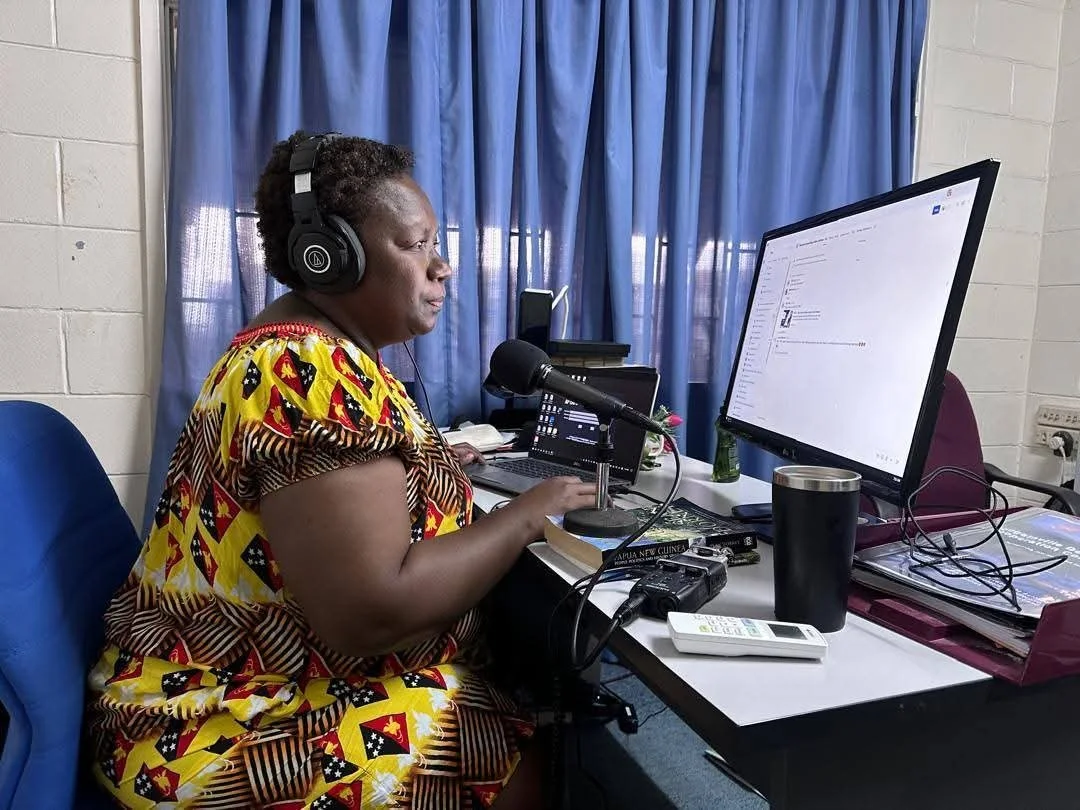
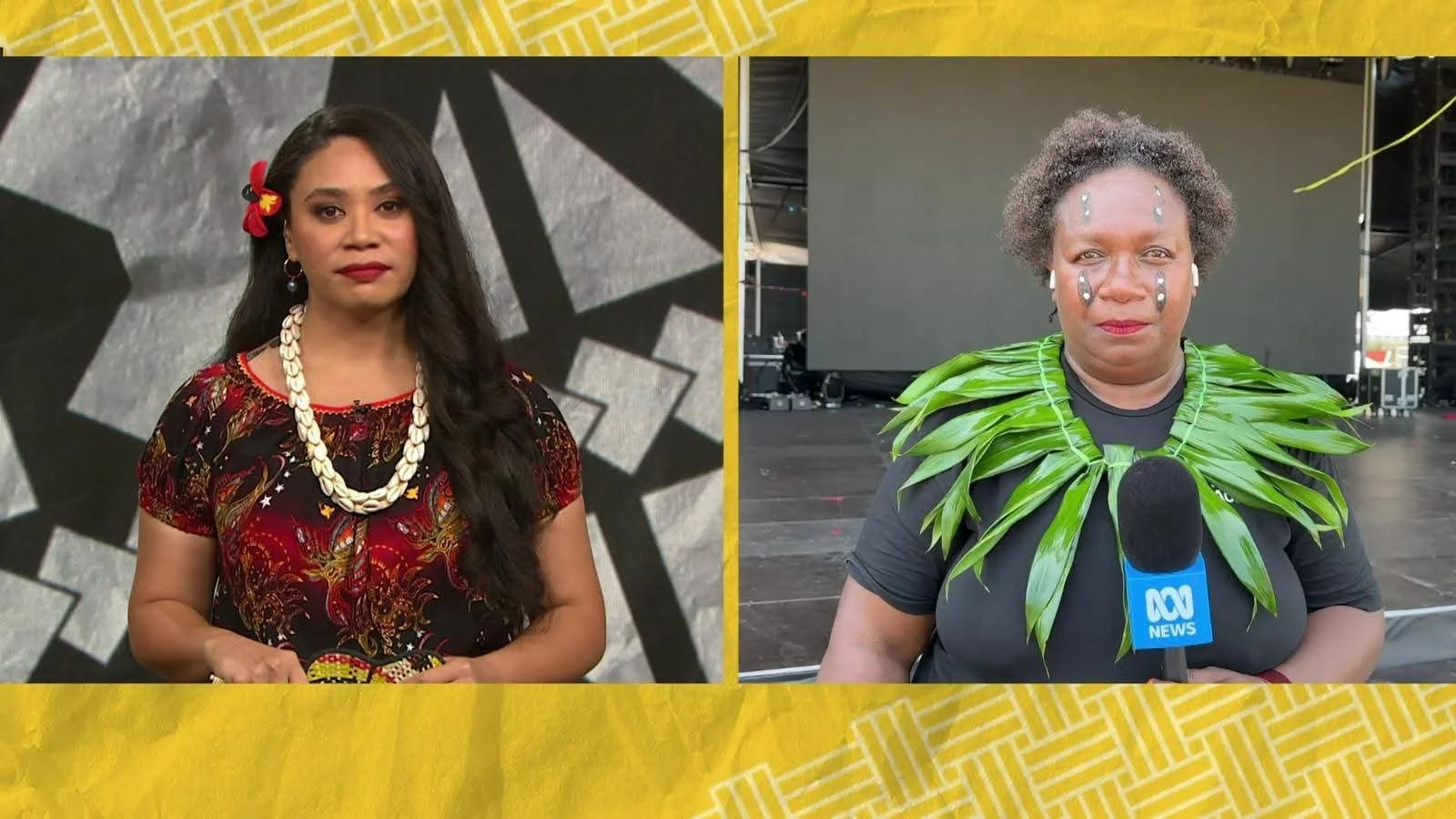
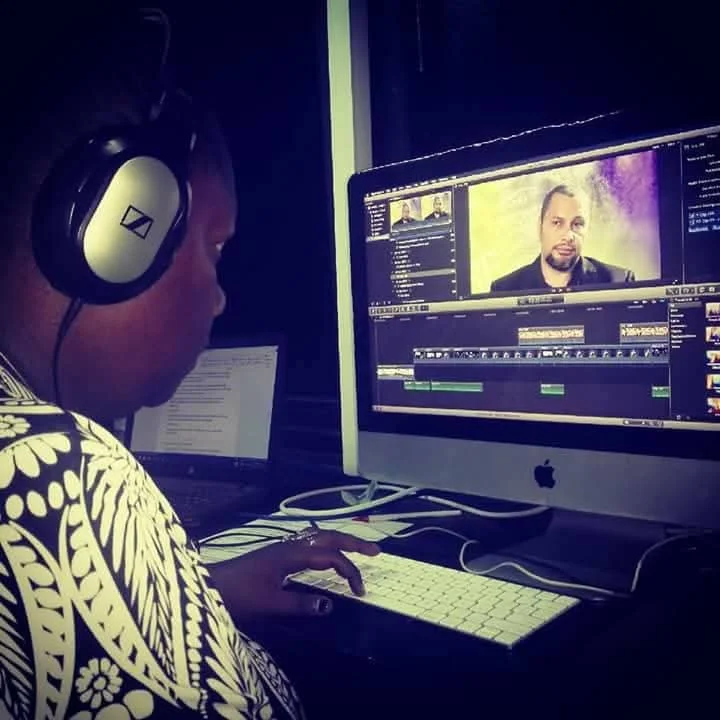
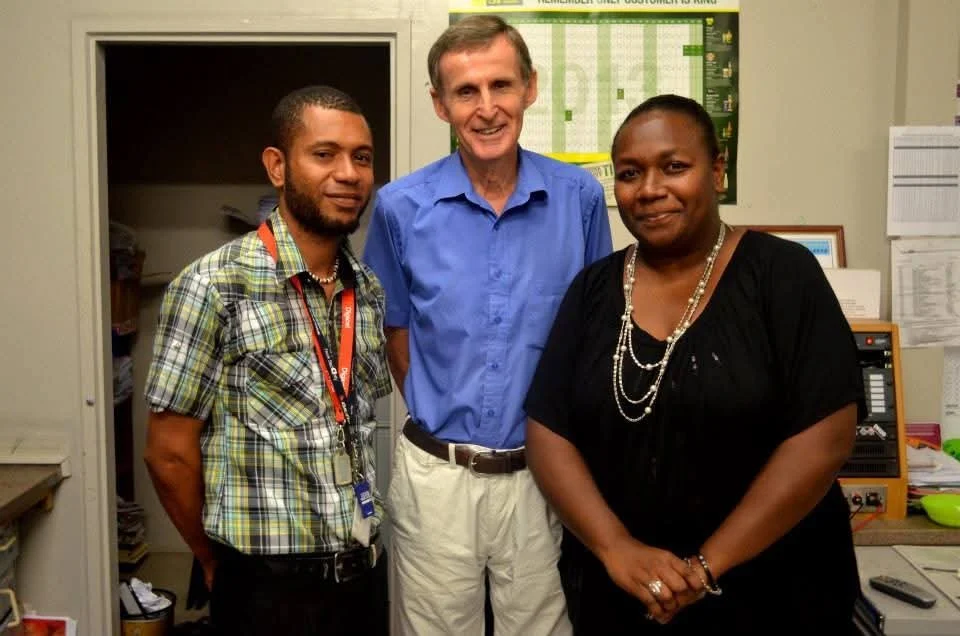
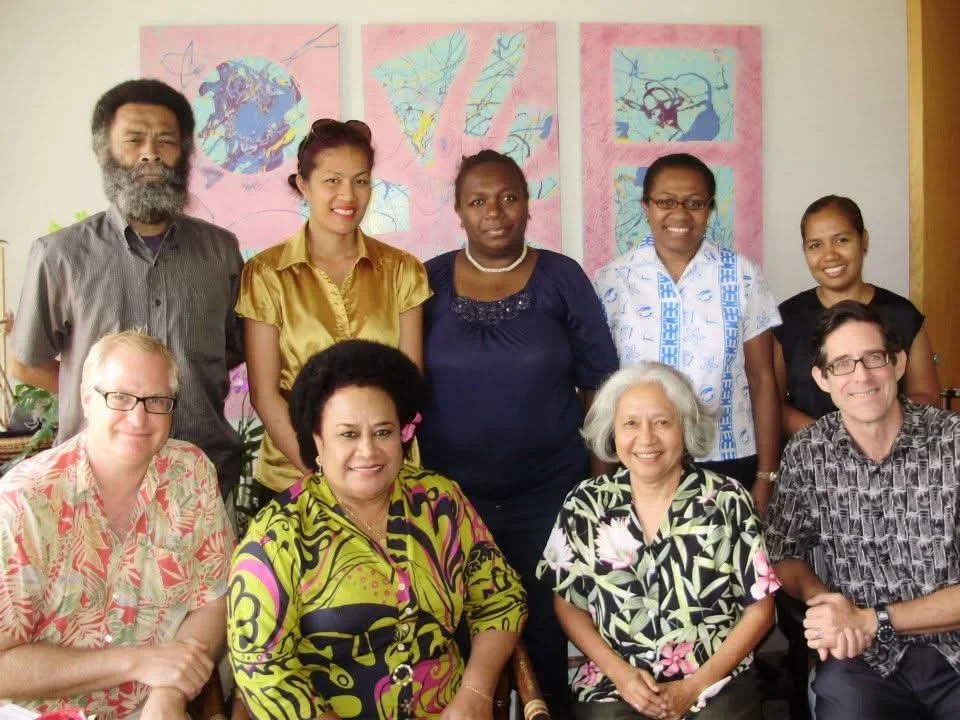
Some images from a journalist’s life.
Images by Belinda Kora.
THE STORIES STILL WAITING TO BE TOLD | The Future of Journalism in Papua New Guinea
For Belinda Kora, the most powerful stories about Papua New Guinea are not always found in the corridors of Parliament or in the urgency of breaking news alerts.
They are not always the stories that dominate headlines or drive national debates.
Sometimes, the most important stories are the quiet ones.
The ones unfolding far from television studios and political press conferences.
They exist in the everyday lives of ordinary people — in villages tucked between mountains, in coastal communities where the ocean shapes daily life, and in families who continue traditions that have endured for generations.
Belinda believes these are the stories that truly capture the soul of Papua New Guinea.
While politics, governance, and national events are critical parts of journalism, they are only one layer of the nation’s narrative. Beneath those stories lies something deeper — the lived experiences of people whose resilience, creativity, and cultural identity continue to define the country.
When she reflects on what Papua New Guinea truly looks like, Belinda often returns to a single image — one that is both simple and profoundly symbolic.
A bare-breasted woman wearing a grass skirt or tapa cloth.
A child resting comfortably in one arm.
A bilum draped across her shoulder, filled with the necessities of daily life.
And balanced carefully on her head, a bundle of firewood collected to cook for her family.
It is an image many Papua New Guineans would instantly recognize.
To some outsiders, it might appear ordinary.
But to Belinda, it represents something extraordinary.
It tells the story of resilience.
The quiet strength of women who rise before sunrise, walk long distances to gather food and firewood, and carry the responsibility of caring for their families and communities.
It tells the story of culture.
The grass skirts, tapa cloth, and bilums are not just practical items — they are symbols of identity, craftsmanship, and tradition passed from one generation to the next.
And it tells the story of strength.
The kind of strength that does not seek recognition, but quietly sustains entire communities.
For Belinda, this image embodies the heart of Papua New Guinea — a nation where tradition and modern life exist side by side, where the past continues to guide the present.
It is also a reminder that the future of the country depends on whether these stories continue to be told and remembered.
In a rapidly changing world, where technology, globalization, and urbanization are reshaping societies everywhere, Belinda believes it is more important than ever to preserve the narratives that define cultural identity.
Because without those stories, something vital could be lost.
“These stories must continue to be told,” she says thoughtfully.
“Because the next generation needs to understand who they are.”
For Belinda, journalism is not just about documenting events.
It is about protecting memory.
It is about ensuring that the strength of mothers, the wisdom of elders, the traditions of villages, and the everyday lives of ordinary people remain visible in the national story.
Because when future generations look back and ask what Papua New Guinea stood for, the answer will not be found in statistics or political speeches alone.
It will be found in the lives of the people who carried their culture forward — often quietly, often humbly, but always with dignity.
And those are the stories Belinda Kora believes must never stop being told.
LEGACY | The Voice That Helped a Nation Tell Its Story
When the question of legacy is placed before Belinda Kora, she pauses.
Not out of uncertainty — but because it is a concept she has rarely allowed herself to dwell on.
Journalism, after all, is a profession rooted in the present moment. There is always another story to investigate, another community to visit, another voice waiting to be heard. The work rarely allows time for reflection on how history might one day remember you.
So when asked what legacy she hopes to leave behind, Belinda does not immediately list awards, achievements, or career milestones.
Instead, she returns to the values that have quietly guided her for more than two decades.
If her voice leaves something behind, she hopes it is a renewed respect for journalism itself.
In many parts of the world — including the Pacific — the role of journalists is often misunderstood. Reporters are sometimes viewed with suspicion, as though asking questions is an act of confrontation rather than an act of service.
Belinda hopes that through her work, people come to see journalism for what it truly is.
A profession built on accountability.
A profession that holds power to scrutiny.
A profession that ensures the public remains informed, engaged, and aware of the forces shaping their lives.
Above all, she hopes her career contributes to restoring trust in the profession — trust that journalists are not enemies of the people, but defenders of truth and transparency.
But Belinda’s hopes for the future extend beyond the profession itself.
They extend to the women who will follow in her footsteps.
When she first entered the newsroom in 2002, opportunities for women in media were far more limited. Female journalists often had to work twice as hard to prove their credibility, navigating environments where their voices were sometimes overlooked or underestimated.
Belinda hopes that the path she helped carve will make that journey easier for the next generation.
She hopes that young women across Papua New Guinea — whether they dream of becoming journalists, leaders, lawyers, doctors, or entrepreneurs — will feel empowered to pursue their ambitions without hesitation.
That they will understand their strength.
That they will trust their voices.
And that they will know their perspectives matter.
This is why the initiative she helped establish, Women in Media, remains so important to her.
More than just a professional network, it represents a growing sisterhood — a space where women in journalism can support one another, share knowledge, mentor younger colleagues, and continue strengthening the profession from within.
Belinda hopes that long after her own career concludes, Women in Media will continue to grow — nurturing future storytellers who will carry the nation’s narratives forward with courage and integrity.
Because for Belinda Kora, journalism has never been about personal recognition.
It has never been about the spotlight, the headlines, or the visibility that comes with being a public voice.
It has always been about something far greater.
It has been about service.
Service to the people whose stories deserve to be heard.
Service to communities whose struggles must be acknowledged.
Service to a country whose identity is shaped by thousands of cultures, languages, and histories that deserve to be documented with honesty and care.
Papua New Guinea is a nation of immense complexity and breathtaking beauty — a place where mountains rise above clouds, where rivers carry the memory of generations, and where communities continue to hold onto traditions that have survived centuries of change.
Within this vast and vibrant landscape, stories are constantly unfolding.
Stories of resilience.
Stories of challenge.
Stories of hope.
And as long as those stories exist, there will always be a need for someone willing to listen, to ask the difficult questions, and to ensure those voices travel beyond the places where they begin.
Belinda Kora understands that responsibility deeply.
Because the role of a journalist is not to stand above the story.
It is to stand beside the people living it.
And so, long after the cameras switch off and the microphones fall silent, Belinda’s legacy will not simply be the reports she delivered or the headlines she helped shape.
Her legacy will be found in something far more enduring.
In the young journalist who asks a courageous question.
In the woman who enters a newsroom believing her voice belongs there.
In the communities who feel seen because their stories were told with dignity.
And in the growing understanding that the stories of Papua New Guinea matter — not just within its borders, but to the wider world.
Because as long as stories continue to unfold across the islands, valleys, forests, and mountains of this remarkable nation, Belinda Kora will remain exactly where she has always been.
Listening.
Questioning.
Witnessing.
And ensuring that the voice of Papua New Guinea — its people, its culture, its struggles, and its extraordinary spirit — is never lost to silence.