POLYGAMY IN PAPUA NEW GUINEA: BETWEEN TRADITION, POWER AND MODERN LOVE
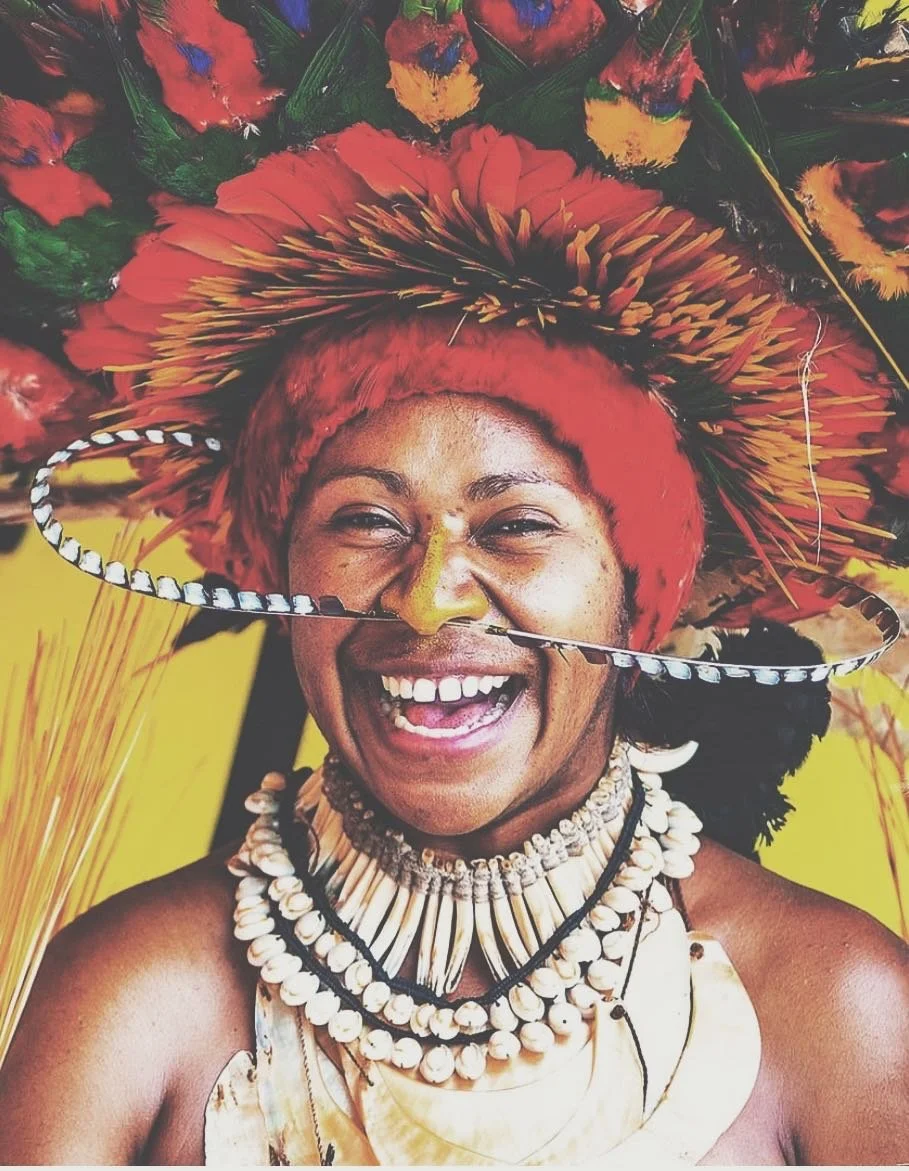
A Papua New Guinean woman smiles proudly in ceremonial bilas — adorned with feathers, shells and traditional ornamentation that reflect the vibrant cultural identity of the Highlands.
Photo: Courtesy of Bilum & Bilas
In Papua New Guinea, culture is not simply something remembered — it is something lived. It shapes the rhythms of community life, defines relationships, and guides how families are formed and sustained. Among the many customs that continue to spark discussion across the country is polygamy — the practice of one man having multiple wives.
In the villages of the Highlands, along the coastlines of the Islands Region, and deep within the forests of Momase, polygamy has long existed as a traditional structure of family life. Yet in modern Papua New Guinea — a nation navigating Christianity, urbanisation, education and global influence — the practice sits at the intersection of culture, controversy and evolving identity.
Like many cultural traditions, polygamy is neither simply good nor bad. It is a complex system with both benefits and risks, shaped by history, economics and social expectations.
A Cultural Foundation
Historically, polygamy in Papua New Guinea was often connected to wealth, leadership and social stability. A man who had multiple wives was often seen as influential — someone capable of supporting a large household and contributing to the strength of his clan.
In many communities, large families were an advantage. More children meant more hands for gardening, fishing, hunting and caring for land. Multiple wives also meant the sharing of domestic responsibilities and childcare, forming a cooperative household structure.
Polygamy could also strengthen alliances between clans. Marriage was not only about love — it was also about relationships between families and tribes. Through marriage exchanges, peace could be maintained and social networks expanded.
The Benefits — Community and Support
In traditional settings, some women describe polygamous households as offering a unique kind of sisterhood. Co-wives may share responsibilities, support each other during pregnancy and childcare, and collectively contribute to the wellbeing of the household.
In areas where livelihoods depend heavily on land and agriculture, the structure of a large extended family can create economic resilience. Multiple adults working together can provide food security and stability.
For some, polygamy is seen as an expression of cultural continuity — a reminder that Papua New Guinea’s social systems existed long before colonial law or Western ideals of marriage arrived.

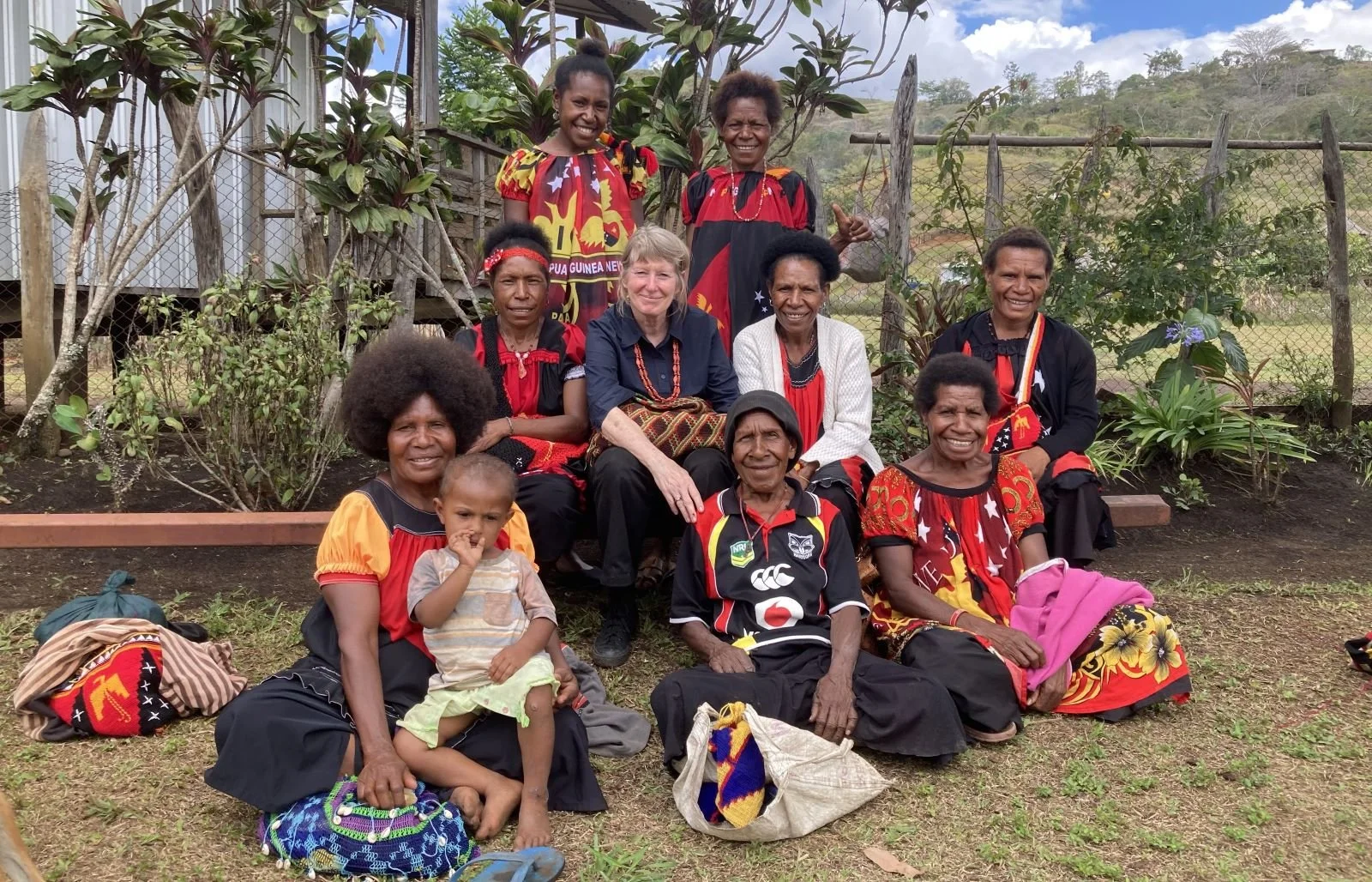
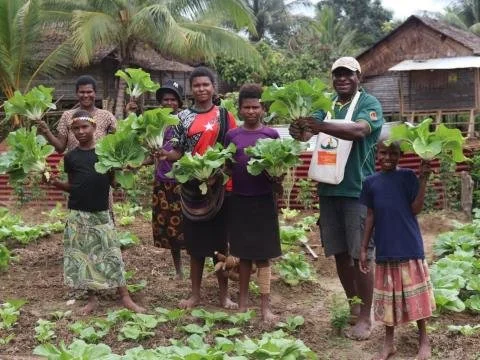
Across Papua New Guinea, community life is deeply connected to land, family and shared responsibility. From farmers harvesting fresh greens in village gardens to women’s groups strengthening community leadership and families proudly presenting their harvest, these scenes reflect the resilience, cooperation and cultural pride that shape everyday life throughout the country.
Photo Credits:
Images courtesy of the International Labour Organization (ILO), Microfinance PNG Development Program, and the World Bank Agriculture Development Program.
The Challenges — Jealousy, Inequality and Modern Pressures
Yet as PNG moves deeper into the modern world, the realities of polygamy are becoming more complicated.
Urban living, wage employment and rising costs mean that supporting multiple families is no longer easily sustainable. In cities like Port Moresby, Lae and Mount Hagen, polygamous households can strain finances and create conflict.
Emotionally, the practice can also bring jealousy, competition and power imbalance between wives. When respect and fairness are absent, the arrangement can quickly become a source of deep tension.
There are also growing concerns about women’s rights and equality. In many traditional polygamous systems, men hold the authority to take additional wives, while women do not have the same freedoms. Critics argue that in some cases, the practice can reinforce patriarchal structures that limit women’s autonomy.
Religious influence has also shifted perspectives. Christianity — now deeply embedded across PNG — generally promotes monogamous marriage, creating tension between traditional custom and modern faith.
A Culture in Conversation
Today, Papua New Guinea finds itself in a fascinating cultural dialogue.
In rural communities, polygamy continues to exist in ways that many view as culturally legitimate and socially accepted. In urban spaces, however, younger generations are questioning whether the practice still aligns with modern values of partnership, equality and economic reality.
What remains clear is that discussions about polygamy are not simply about marriage. They are about identity, power, tradition and the future of PNG society.
Papua New Guinea is a nation of more than 800 cultures — a place where ancient customs and modern ideas constantly meet. In this landscape, traditions like polygamy are not disappearing, but they are evolving, shaped by new conversations about respect, love and the kind of families people wish to build.
Perhaps the most important question is not whether polygamy should exist or not, but how culture can adapt while protecting dignity, fairness and wellbeing for everyone involved.
Because in the end, culture — like fashion — is never static.
It is always being rewritten by the people who live it.
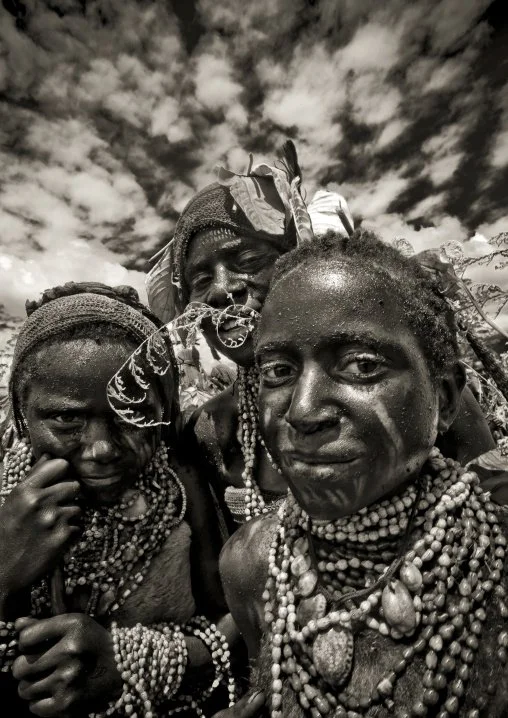
Children of the Emira tribe during a Sing-sing gathering in Mount Hagen, Western Highlands Province. Ceremonial adornment, beads and face paint reflect the deep cultural traditions that continue to shape identity across Papua New Guinea.
Photo: © Eric Lafforgue