THE STORYKEEPER | MS EDITH MONAGI AND THE STAGE THAT CARRIES PAPUA NEW GUINEA’S VOICE
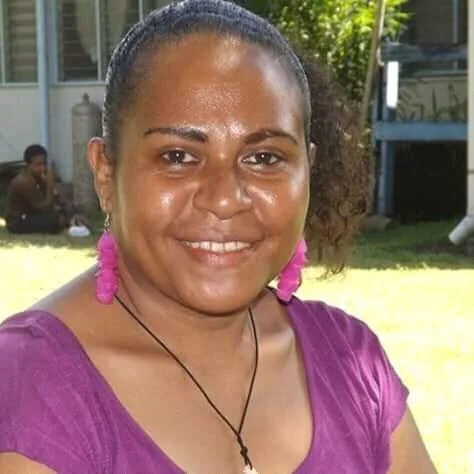
In Papua New Guinea, stories do not simply exist on paper.
They live in voices carried across valleys, in songs sung beside fires, in dances performed under moonlit skies, and in ceremonies that bind generations together. Long before books and classrooms, stories were how knowledge travelled — how wisdom moved from elders to children, from one generation to the next.
And today, standing at the intersection of tradition and education, ensuring those stories continue to live and evolve, is Ms Edith Monagi.
Educator. Mentor. Cultural guardian.
As the Head of the Theatre Arts Division at the University of Papua New Guinea, Monagi has become one of the most important figures shaping the future of storytelling in the country — quietly guiding young performers, writers, and artists as they learn not only how to perform, but why storytelling matters.
She is not merely teaching theatre.
She is protecting a cultural inheritance.
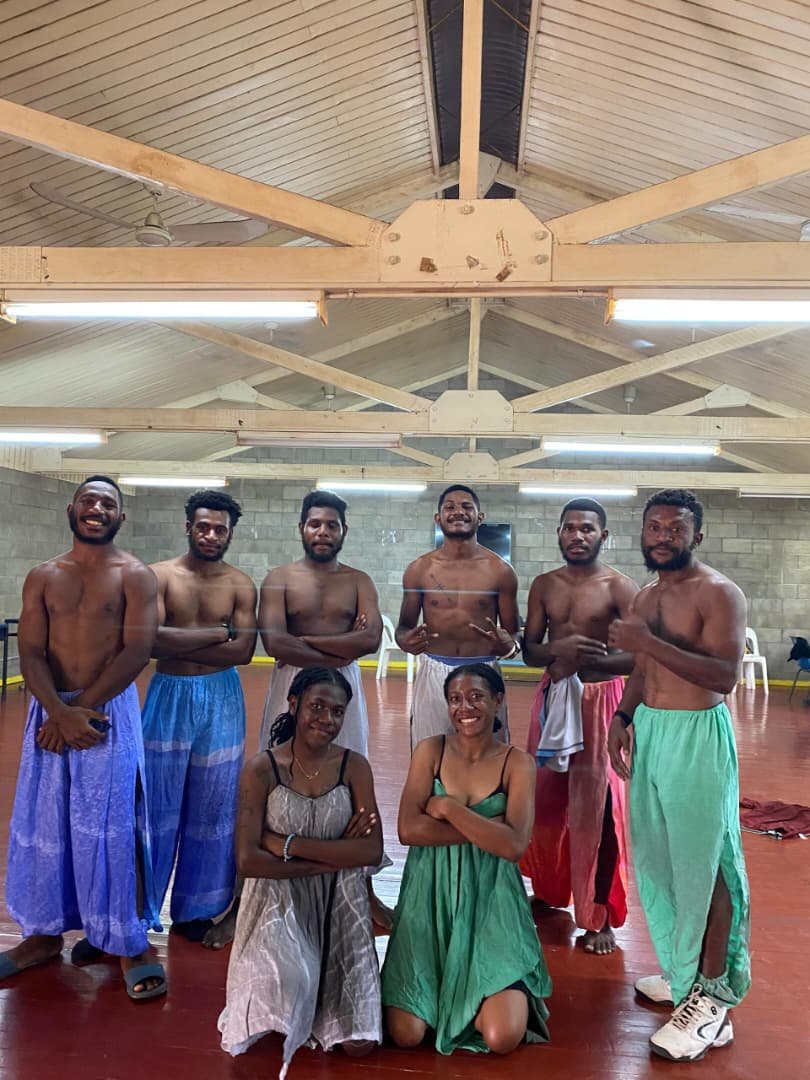
A CHILD OF STORY AND CEREMONY
Ms Monagi’s journey into theatre did not begin in a classroom.
It began in the rhythms of Papua New Guinean life itself.
Growing up surrounded by the rich cultural traditions of the country, storytelling was not something separate from daily life. It was woven into everything — community gatherings, songs, ceremonies, and dances that carried histories older than any written record.
In these moments, stories were not entertainment.
They were education.
They carried knowledge about land, family, spirituality, and identity.
From an early age, Monagi understood that storytelling held power — the power to preserve culture, teach values, and connect communities across generations.
Those early experiences planted the seeds for what would become her life’s work.
WHEN THEATRE BECAME A CALLING
Papua New Guinea’s deep tradition of oral storytelling naturally led Monagi toward theatre.
In many parts of the country, storytelling is already theatrical — performed through dramatic narration, dance, movement, and collective participation. Theatre simply offered another stage upon which those traditions could live.
But there came a moment during her early studies when something shifted.
She realised theatre was more than something she loved.
It was something she was meant to teach.
She saw firsthand how theatre could empower individuals — helping young people build confidence, find their voices, and engage in meaningful conversations about their communities.
That realisation transformed her path.
From that point on, her journey would not only be about performance.
It would be about education.
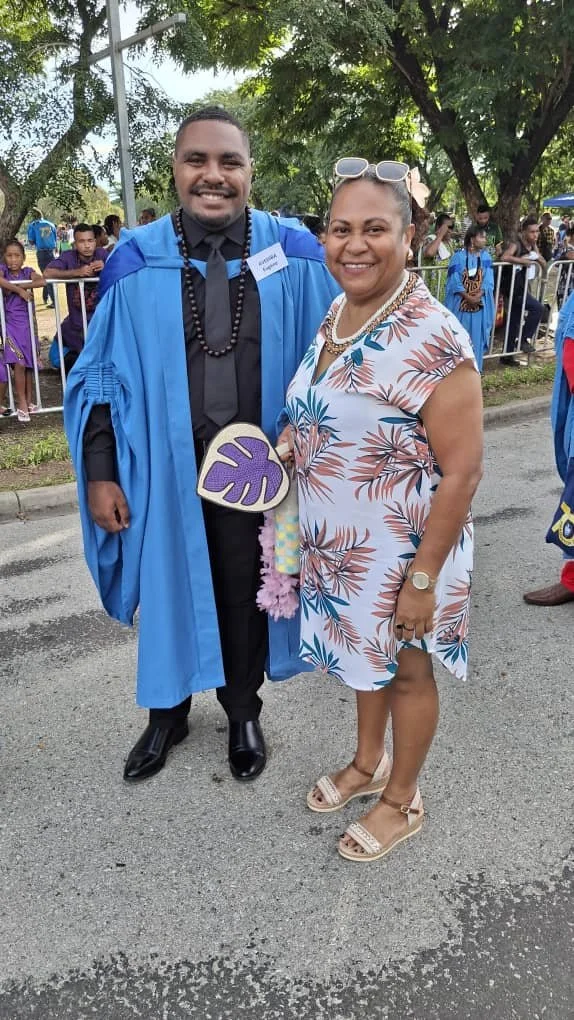
THE UNIVERSITY OF PAPUA NEW GUINEA: A HOME FOR STORYTELLERS
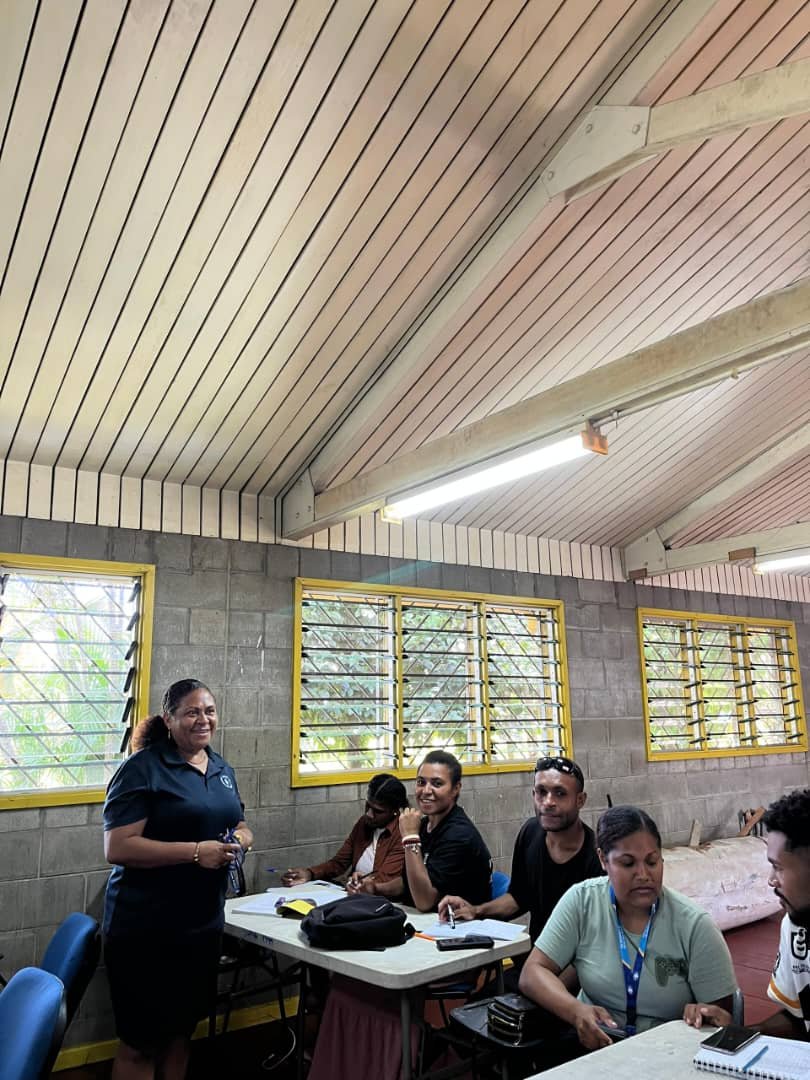
Today, Ms Edith Monagi leads the Theatre Arts Division at the University of Papua New Guinea, where she plays a central role in shaping theatre education for the nation.
Her journey from student to educator to academic leader has been one defined by dedication, research, and creative practice.
But leadership, for Monagi, is not about authority.
It is about responsibility.
Responsibility to nurture talent.
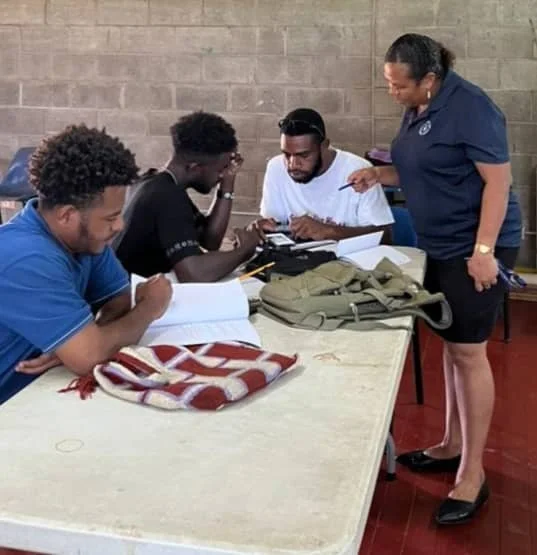
Responsibility to guide young artists.
Responsibility to ensure that theatre in Papua New Guinea continues to grow while remaining deeply connected to the country’s cultural roots.
Every year, students enter her classroom as curious learners and leave as emerging performers, directors, writers, and cultural advocates.
And behind each of those journeys is the quiet guidance of a teacher who understands that storytelling is not just an art form.
It is a responsibility to culture.
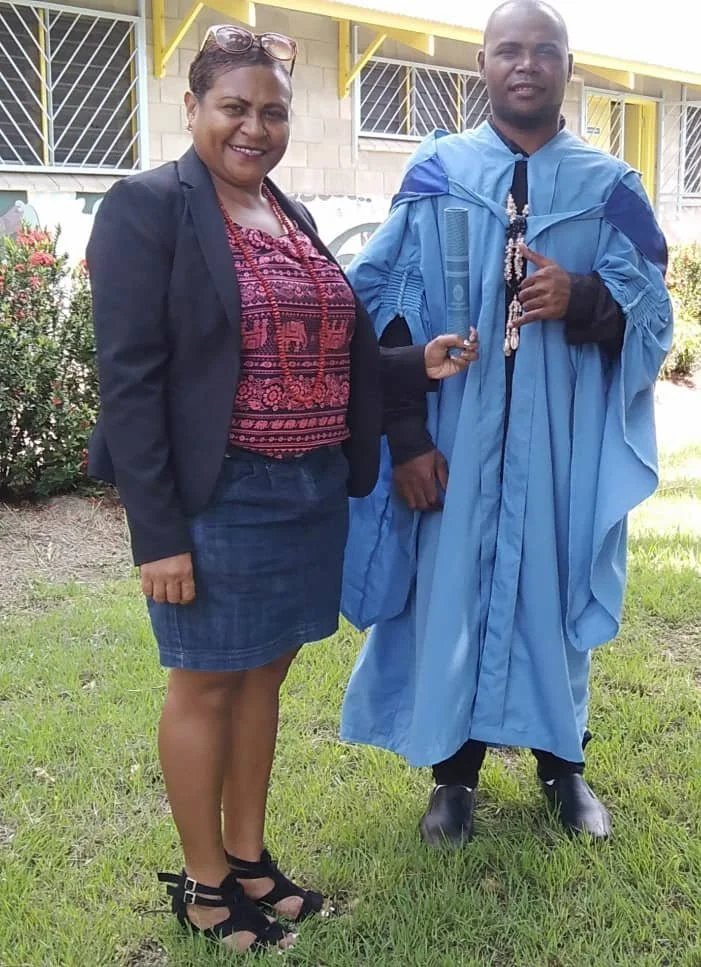
WHY THE ARTS MATTER
In many education systems around the world, the arts are often treated as secondary — a luxury rather than a necessity.
But Ms Monagi sees things very differently.
To her, arts education is essential.
It builds creativity.
It strengthens communication.
It encourages critical thinking.
And perhaps most importantly in a country as culturally rich as Papua New Guinea, it helps young people understand who they are and where they come from.
Through theatre, students are encouraged to explore social issues, cultural identity, and the realities shaping their communities.
The stage becomes more than a performance space.
It becomes a platform for dialogue.
SHAPING THE FUTURE OF ARTS EDUCATION
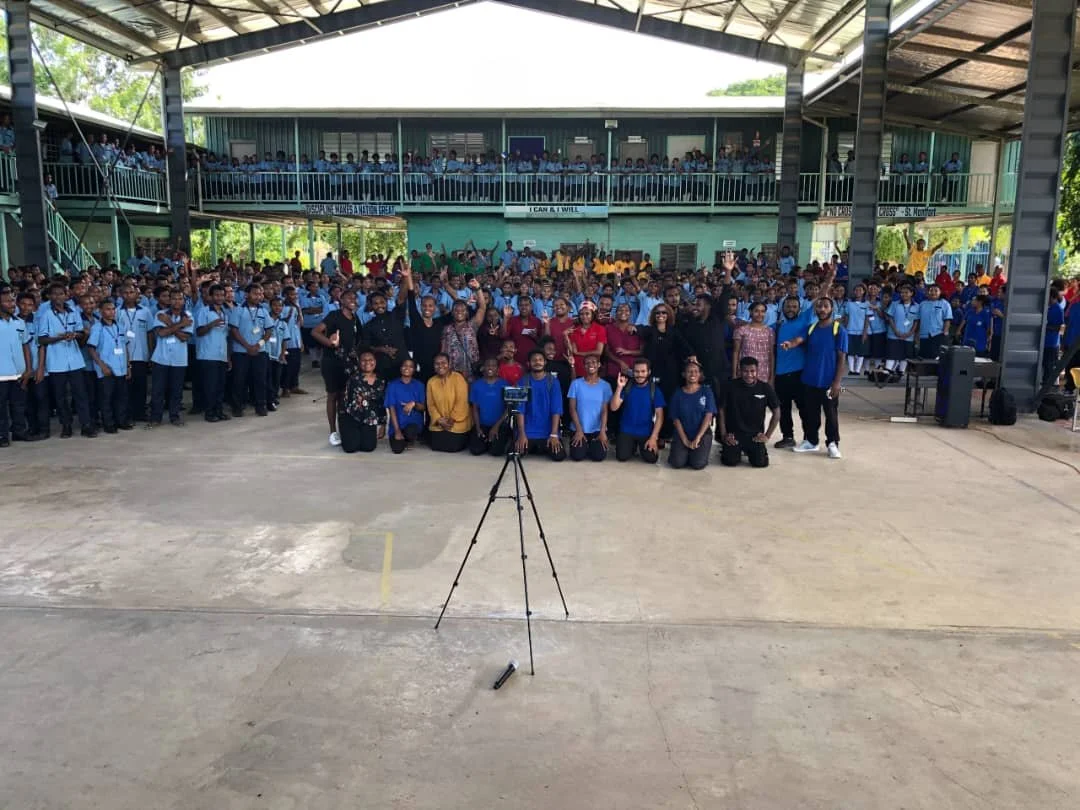
Beyond the university stage, Ms Monagi has also contributed to the development of national arts syllabuses and teacher guides for schools across Papua New Guinea.
This work carries enormous significance.
By helping design national curriculum frameworks, she is ensuring that arts education is structured, accessible, and meaningful for students across the country.
Her hope is simple but powerful:
That teachers and students will come to see the arts not as optional extras, but as vital tools for creative expression, cultural preservation, and national identity.
In a nation with over 800 languages and hundreds of cultural traditions, this work is nothing short of essential.
THEATRE AS A VOICE FOR SOCIETY
Theatre has always reflected the societies that create it.
In Papua New Guinea, theatre has long been a space where artists explore questions of identity, tradition, modernization, and community life.
Through drama, stories emerge about the tensions between old and new, the resilience of communities, and the complexities of national development.
For Ms Monagi, this is where theatre becomes most powerful.
It becomes a mirror for society.
A space where audiences can see themselves, question their realities, and imagine new possibilities.
THE MOMENT THAT MOVES HER MOST
Of all the experiences in her career, one moment continues to move her deeply.
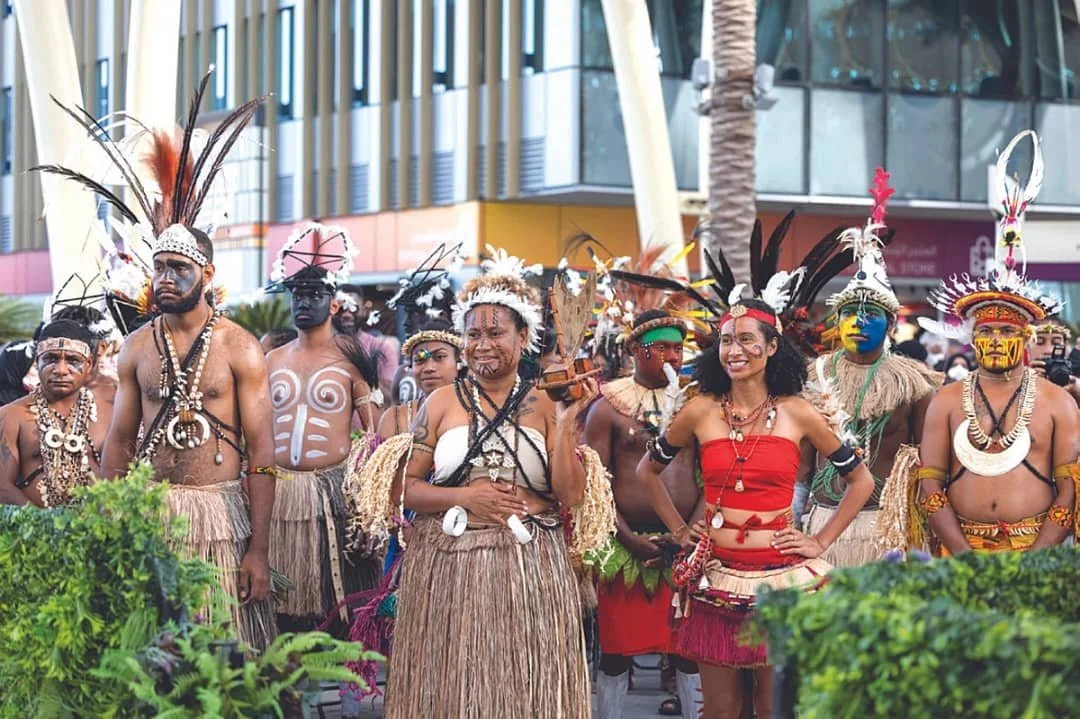
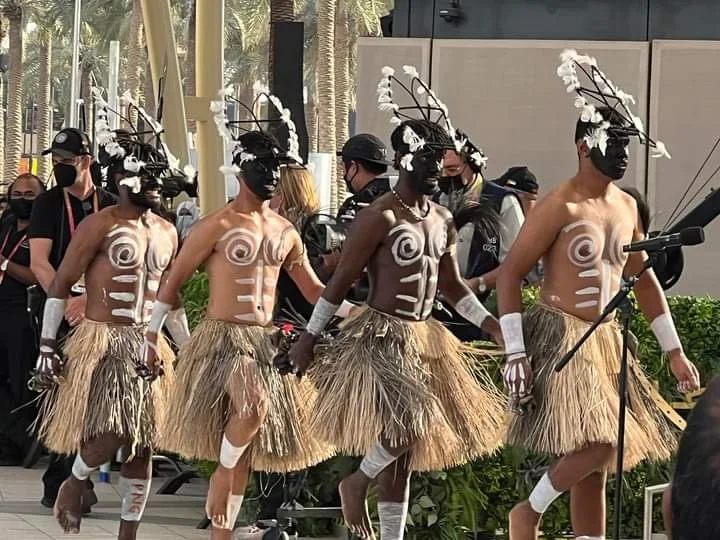
It is the moment when students step onto the stage and perform stories from their own communities.
Stories about their villages.
Their families.
Their traditions.
Their struggles and dreams.
In those moments, theatre stops being an academic exercise.
It becomes something deeply personal.
For Monagi, watching those performances is a powerful reminder that the work she does extends far beyond the classroom.
She is helping young people discover their voices.
MENTORING THE NEXT GENERATION
While technical skill is important in theatre, Ms Monagi believes the true foundations of great artists lie elsewhere.
She encourages her students to develop qualities such as:
Discipline.
Creativity.
Teamwork.
Cultural awareness.
Because theatre, at its core, is a collaborative art form.
It requires artists to listen to one another, respect different perspectives, and work collectively to bring stories to life.
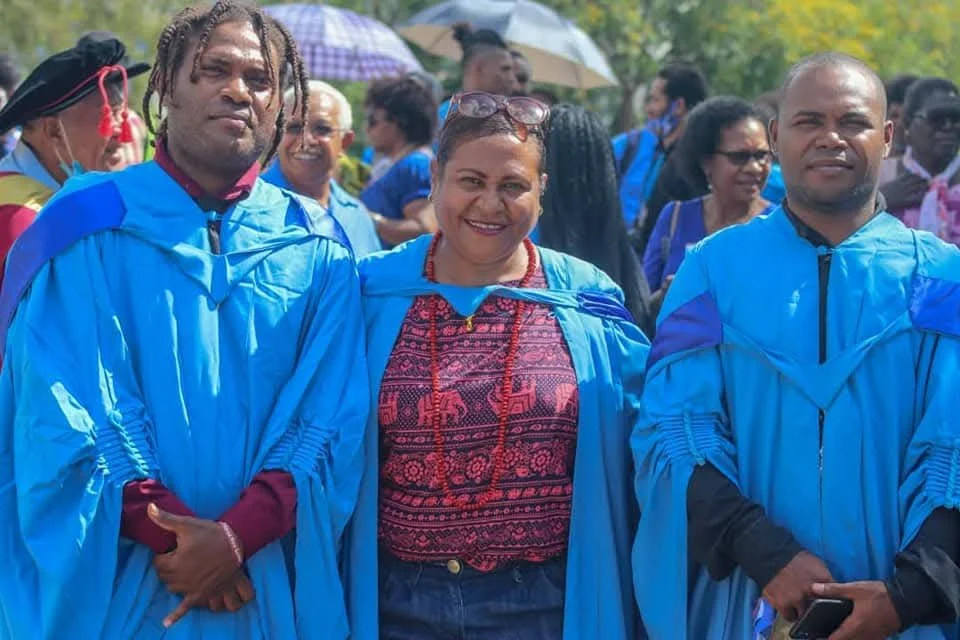
One of her greatest joys as an educator is watching former students move into careers of their own — as performers, educators, filmmakers, cultural advocates, and creative leaders.
Each success story is proof that education has ripple effects far beyond the classroom.
THE FUTURE OF PNG’S CREATIVE INDUSTRIES
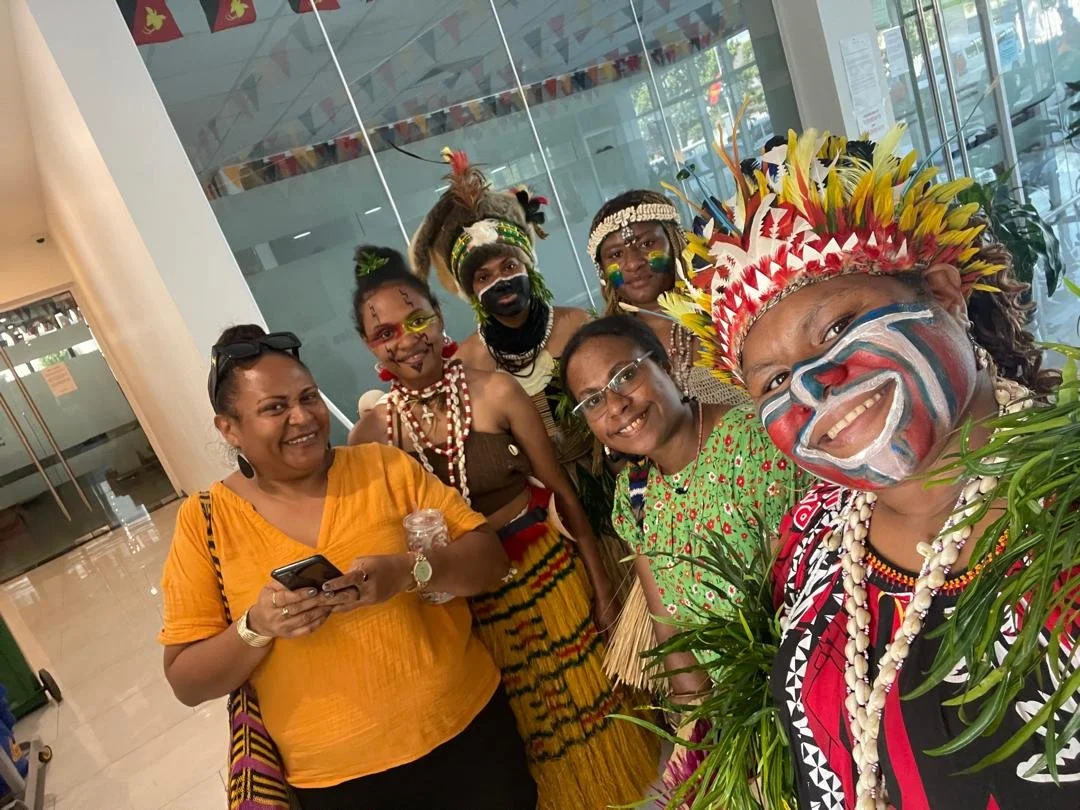
Papua New Guinea’s creative industries are beginning to gain international attention — from fashion and film to music and cultural tourism.
Within this growing ecosystem, theatre holds a special role.
It is where storytelling begins.
It is where performers learn discipline, presence, and narrative craft.
And it is where cultural traditions find new forms of expression that can travel beyond the country’s borders.
Ms Monagi believes theatre will continue to play a vital role in shaping the nation’s creative economy — connecting with industries such as film, fashion, and tourism while strengthening the cultural foundations of storytelling.
A LEGACY OF STORYTELLERS
When Ms Edith Monagi reflects on her life’s work, she does not speak about personal achievements.
Instead, she speaks about future generations.
Her hope is that the students she has mentored will continue telling the stories of Papua New Guinea — preserving its cultures, celebrating its diversity, and sharing its voices with the world.
Because the greatest legacy a teacher can leave is not a title or a position.
It is the people they inspire.
Through decades of teaching, mentoring, and shaping theatre education, Ms Edith Monagi has become something profoundly important to Papua New Guinea’s creative landscape.
She is not simply an educator.
She is a guardian of the stage.
And through the storytellers she continues to nurture, her influence will echo far beyond the walls of the theatre — into the future of Papua New Guinea itself.