PNG UNVEILED | AMINA MAMATY OF MISS YOUNG INTERNATIONAL AND THE CULTURE THAT CAPTIVATED A GLOBAL STORYTELLER
In a world increasingly obsessed with curated destinations, algorithm-driven beauty and passport stamps as social currency, Amina “Myna” Mamaty moves differently.
She travels not to escape the world, but to understand it.
Across continents, deserts, islands and forgotten crossroads of culture, Myna has built a reputation as one of a new generation of global storytellers—women who use travel not as spectacle, but as a lens through which humanity can be seen more honestly. Through her platform Miss Young International, she has quietly but powerfully positioned herself as a cultural advocate, illuminating places the global narrative often overlooks.
Her work does not simply show landscapes.
It reveals people.
And recently, one of those places was Papua New Guinea—a country that left a profound mark on her journey.
But to understand why Myna was so deeply moved by the cultural richness of Papua New Guinea, one must first understand the layered worlds that shaped her.
BETWEEN WORLDS
Amina “Myna” Mamaty was never meant to belong to just one place.
Born in France to parents of Congolese and Malian heritage, and now based in the United States, her life has unfolded across continents, cultures and identities. But rather than feeling fragmented by this multiplicity, Myna has learned to inhabit it fully.
Identity, she explains, was never singular for her.
It was always layered.
Africa gave her roots.
France gave her perspective.
America gave her freedom.
“Growing up between all these worlds taught me early on that identity isn't one singular thing,” she reflects. “It's layered.”
Inside her home, life was deeply African. The sounds of music, the warmth of shared meals, the respect for elders, the communal rhythm of family life—all of it carried the traditions of the continent her parents came from.
But step outside, and the world demanded something else.
French society brought different expectations, different social codes, different ways of navigating identity.
“There were moments where I felt like I was constantly translating myself,” she says. “Not just language, but culture, behavior, even the way I expressed myself.”
It was both beautiful and complicated.
Yet it was within that complexity that Myna developed something invaluable: cultural agility. The ability to move between worlds while still remaining anchored in one's origins.
The values she carries today remain profoundly African.
Community.
Collective responsibility.
Respect for craftsmanship.
A reverence for elders and for the traditions that shape identity.
“In African culture,” she explains, “you're never just an individual. You're part of something bigger.”
That belief now quietly guides the way she travels the world.
THE MAKING OF A STORYTELLER
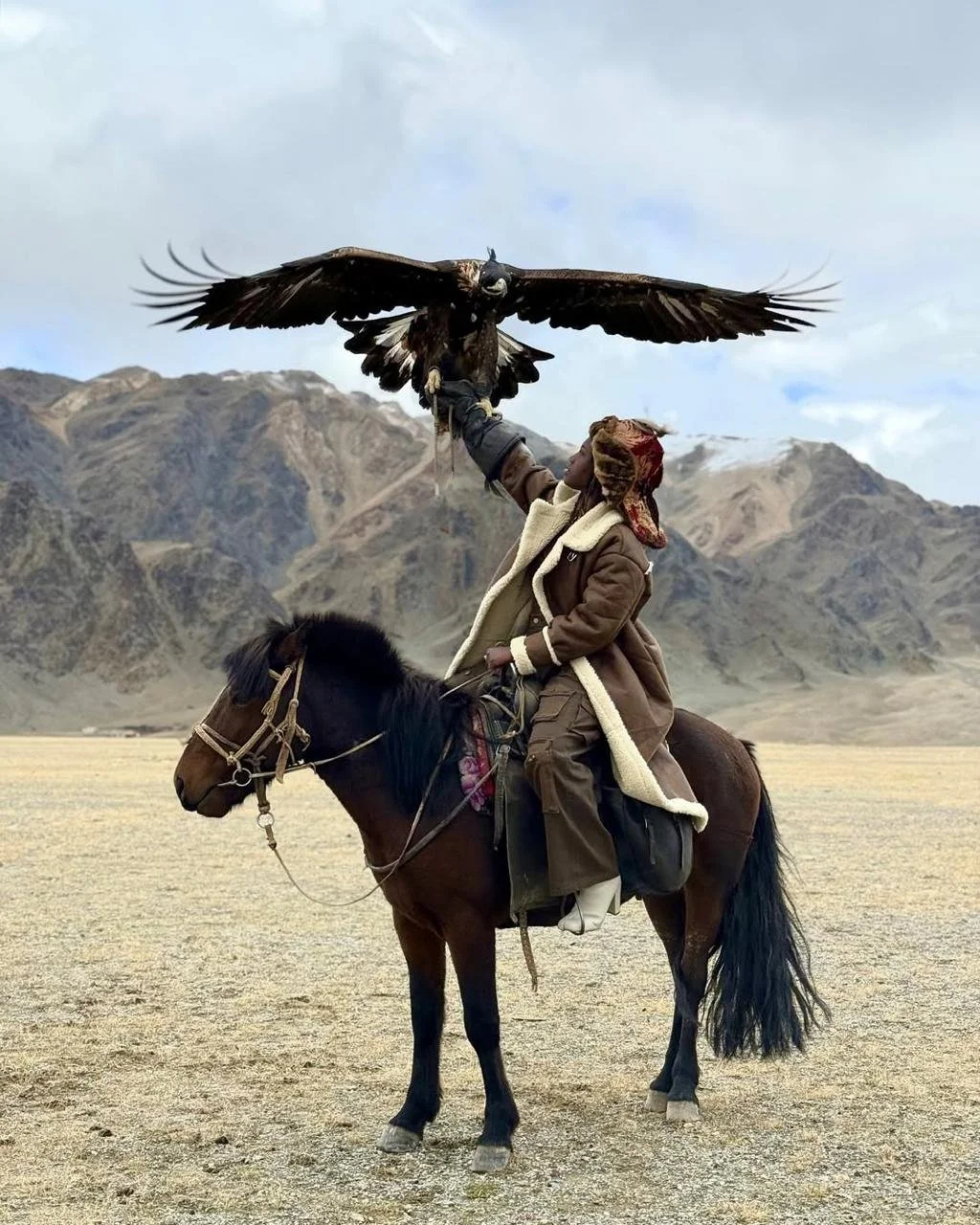
Long before Myna built an audience, before Miss Young International, before her platform reached travelers across the globe, there was simply curiosity.
A quiet but persistent curiosity about the world beyond what she was shown.
“I wanted to see if the rest of the world was as diverse and beautiful as I thought,” she says.
Mainstream media often told only one story—one version of the world, one narrative about which places mattered and which did not.
But Myna suspected there were countless others waiting to be told.
She began traveling.
And the more she traveled, the more she realized something important.
The most transformative places were rarely the most famous ones.
Anyone can visit Paris.
Anyone can photograph Bali.
But it is in the places that remain outside the spotlight—places not yet flattened into tourist postcards—that real cultural discovery happens.
“I wanted to spotlight the places that deserve attention but aren't getting it,” she explains.
As someone who herself grew up navigating underrepresented identities, she understood deeply what it meant for cultures to be overlooked.
And she wanted to change that.
The moment her work took on deeper meaning arrived unexpectedly during an early journey to Uzbekistan.
She shared images and stories from the country online.
The reaction surprised her.
People weren't simply admiring the photographs—they were discovering the place itself.
“I never knew this existed,” people told her.
In that moment, Myna understood something profound.
She wasn't just creating content.
She was expanding people's understanding of the world.
And that realization would shape everything that followed.
BUILDING A PLATFORM WITH PURPOSE
The creation of Miss Young International was never about personal visibility.
It was about building bridges.
The platform exists as a global storytelling project that celebrates cultures, communities and destinations that have historically remained outside mainstream travel narratives.
“The vision,” Myna explains, “was to create a space where underrepresented cultures could be seen, celebrated and understood.”
Rather than positioning herself as the center of the narrative, she works intentionally to amplify local voices.
Artisans.
Community leaders.
Designers.
Storykeepers.
Because, for Myna, travel storytelling carries responsibility.
“If I'm creating content about a community, I don't just take and leave,” she says. “I try to amplify their voices.”
That philosophy would shape the way she approached her journey to Papua New Guinea.
ARRIVING IN PAPUA NEW GUINEA
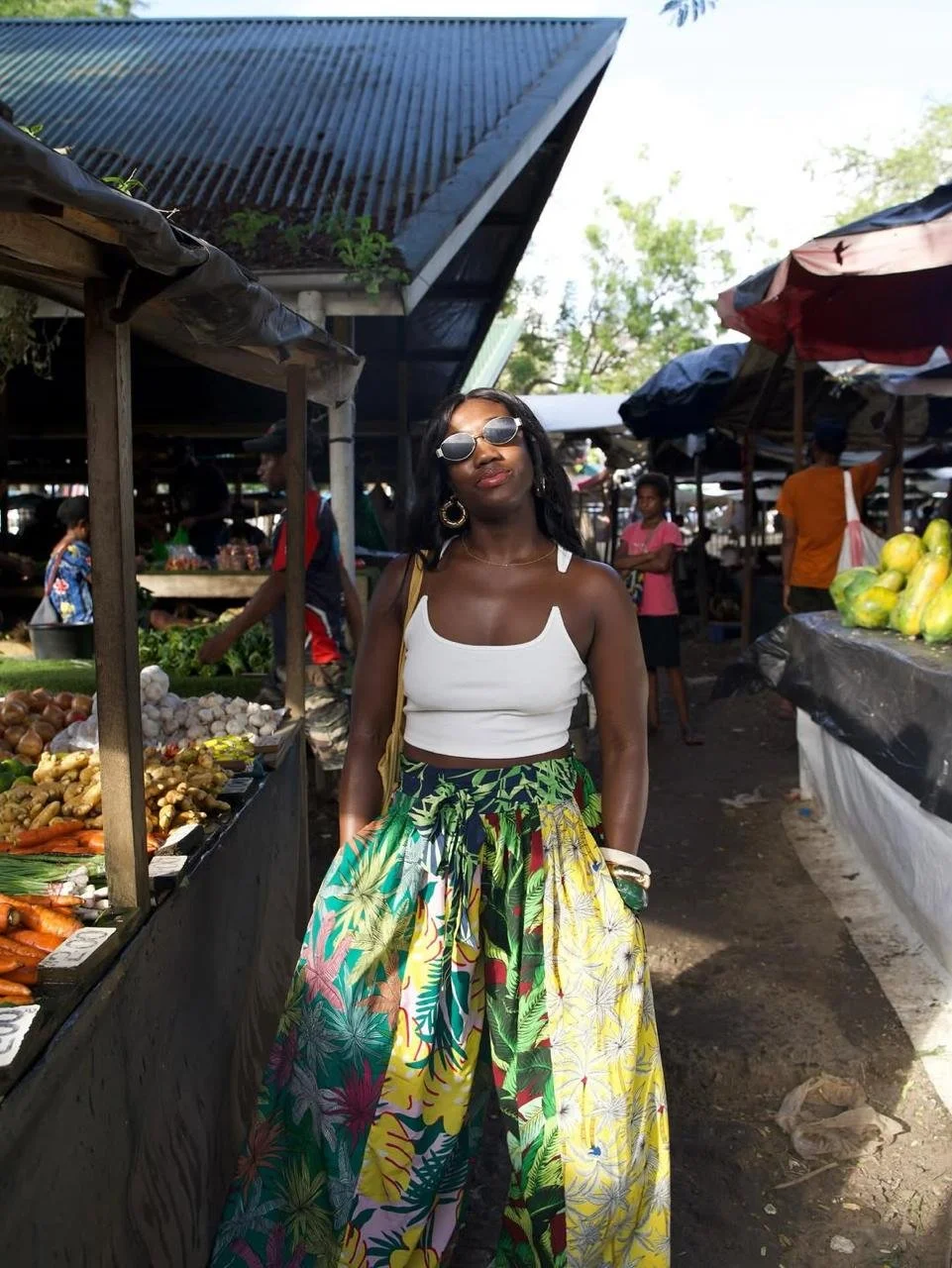
When Myna first arrived in Papua New Guinea in June 2025, she immediately sensed something different.
The country felt untouched by the performative tourism that has transformed so many destinations around the world.
PNG did not feel curated.
It felt real.
“I felt like I had stepped into a place that hadn't been touched by the rest of the world—in the best way possible,” she recalls.
Papua New Guinea is widely considered one of the most culturally diverse places on Earth, with over 800 languages spoken across the country.
But statistics cannot fully prepare someone for the lived reality of that diversity.
During a visit to New Ireland, Myna traveled through several villages in a single day.
Each spoke a different dialect.
Each carried its own cultural nuances.
Each held a distinct identity.
“That was when it really hit me,” she says. “This place is far more diverse than people realize.”
For someone who grew up navigating layered identities, PNG felt strangely familiar.
Complex.
Proud.
Unapologetically itself.
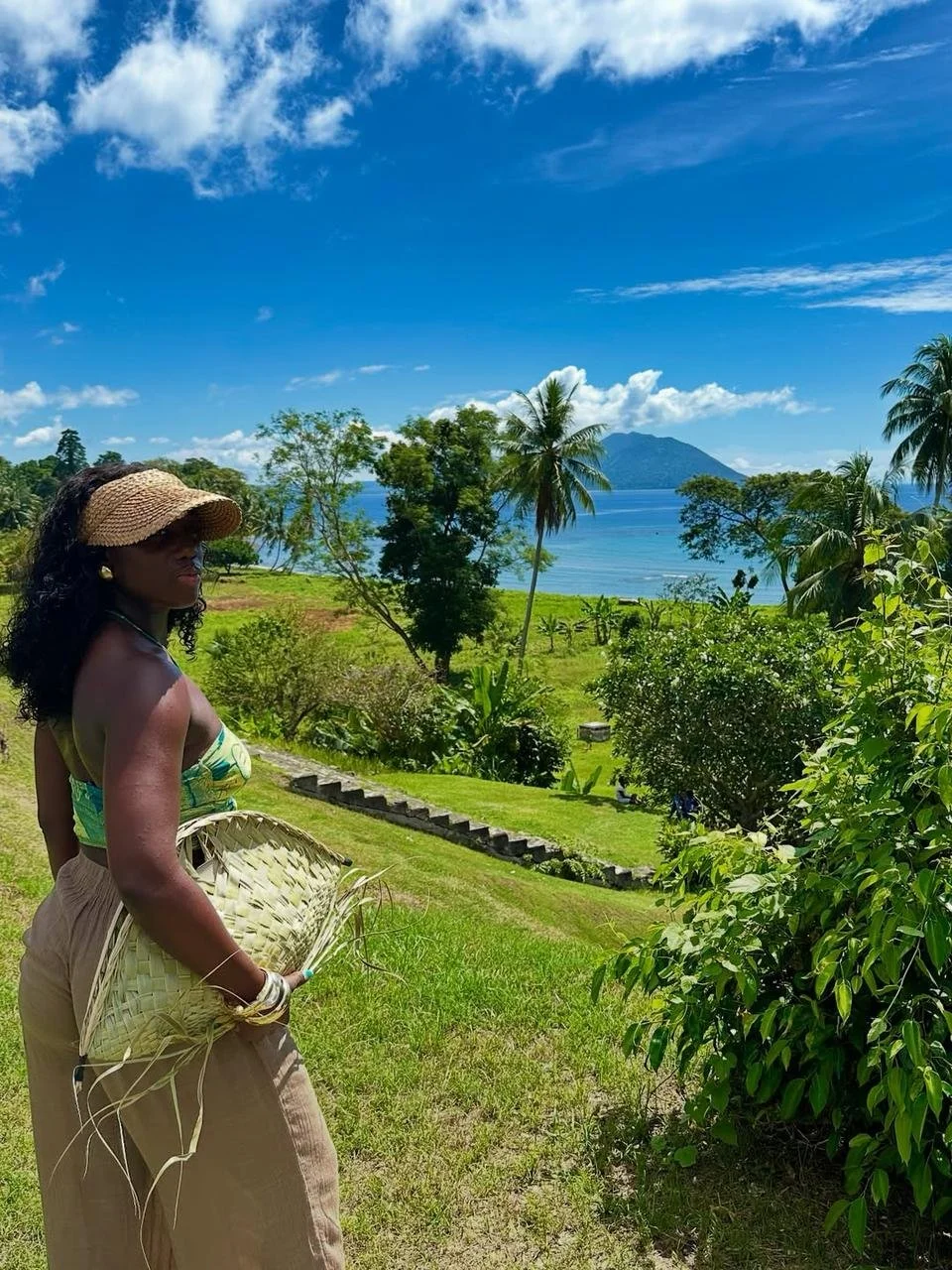
THE LANGUAGE OF TEXTILES
But it was Papua New Guinea's fashion and craftsmanship that truly captivated her.
Across the country, traditional materials remain integrated into daily life.
Bilums are not museum artifacts.
They are carried to markets, worn to work, used by mothers, artisans and communities every single day.
The colors.
The shapes.
The patterns.
All of it spoke a language Myna recognized.
“The first time I saw bilums,” she says, “I was immediately fascinated.”
Every bilum is handmade.
Every pattern carries meaning.
Every woven piece represents generations of knowledge passed from mother to daughter.
What struck her most deeply was the fact that bilums were not simply decorative—they were functional, living pieces of culture.
“This is what preservation looks like,” she says.
Culture in Papua New Guinea is not frozen in time.
It evolves.
It breathes.
And it remains proudly present in everyday life.
A CONNECTION ACROSS CONTINENTS
For Myna, witnessing the craftsmanship of Papua New Guinea stirred something emotional.
Because in many ways, it reminded her of home.
The woven fibers.
The natural materials.
The respect for handmade craft.
These traditions echoed the textile cultures she grew up seeing across Africa.
“It felt like coming home in a place I'd never been,” she says.
Across continents separated by oceans and histories, the creative spirit of communities had arrived at similar expressions.
Not through imitation.
But through shared human instinct.
The instinct to create beauty from the earth.
To weave identity into material.
To preserve culture through craft.
In that moment, the distance between Africa and Papua New Guinea felt smaller.
Connected through artistry.
Connected through tradition.
Connected through humanity.
FASHION AS A DECLARATION OF IDENTITY
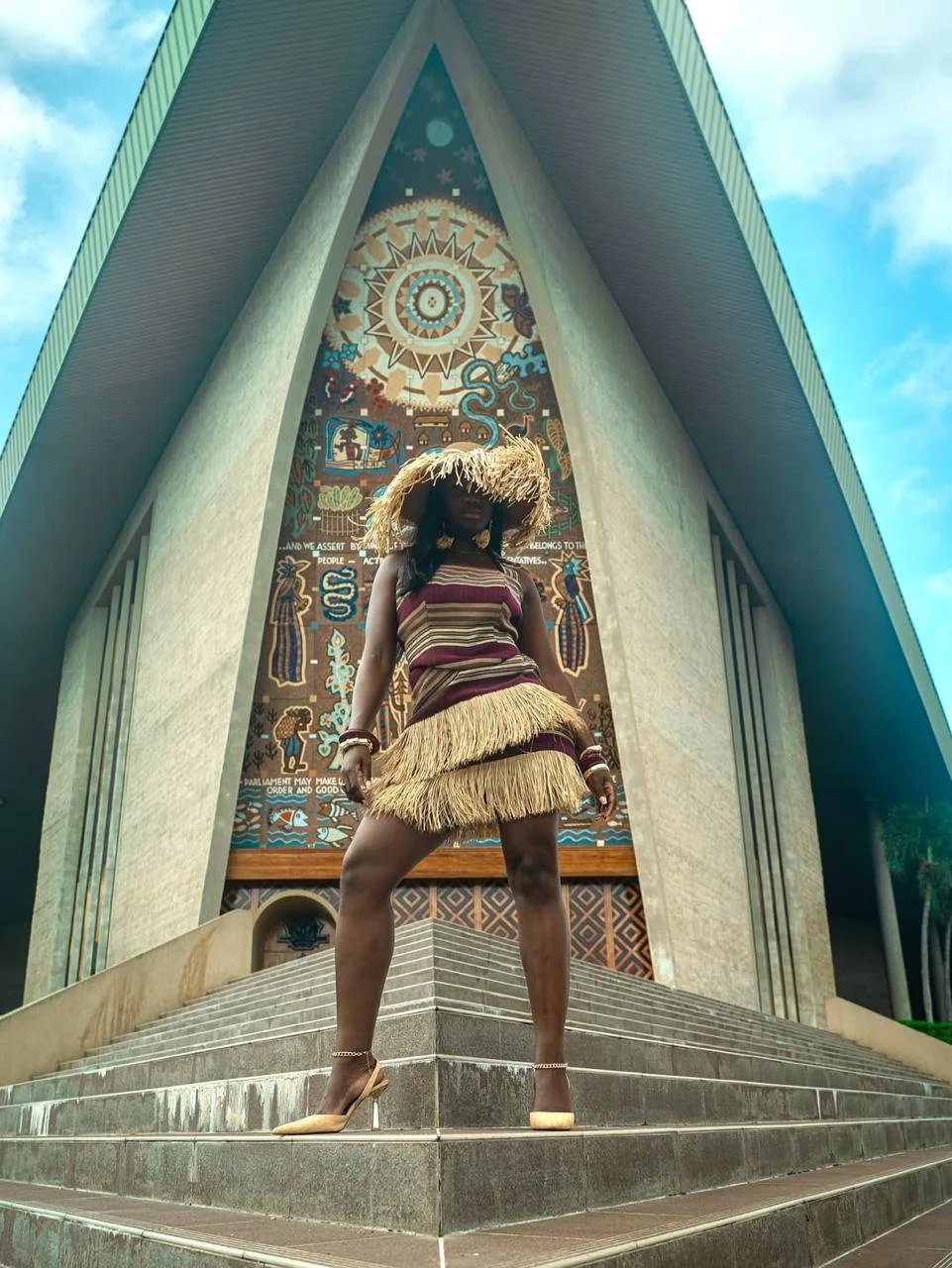
Fashion, Myna believes, tells the deepest stories about a people.
In Papua New Guinea, those stories speak of resilience, pride and cultural continuity.
The nation has not abandoned its heritage in pursuit of modernity.
Instead, tradition and contemporary life exist side by side.
“You see bilums in daily life,” she says. “You see traditional elements incorporated into modern fashion.”
That coexistence is powerful.
Because it shows a country confident in its identity.
PNG fashion says something unmistakable:
We know who we are.
And we are not diluting it for anyone.
ADVOCATING FOR PNG
Since her visit, Myna has become one of the most passionate global advocates for Papua New Guinea.
Because she knows how misunderstood the country often is.
“PNG deserves to be seen,” she says.
Not through outdated narratives of danger or underdevelopment—but through its extraordinary cultural richness.
The world, she believes, needs to hear the stories of the artisans preserving tradition.
Of the designers elevating bilum to global runways.
Of communities protecting cultural practices that have survived centuries.
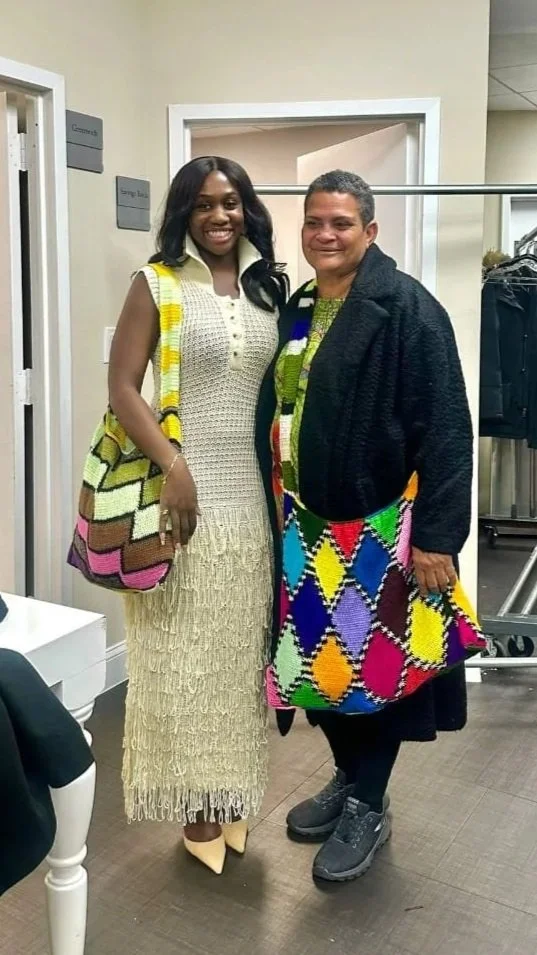
She speaks proudly of figures like Florence Jaukea, whose bilum designs have reached the global stage, including New York Fashion Week.
“She carried the country with her,” Myna says.
And those are the stories the world needs to know.
RESPONSIBLE STORYTELLING
In an age where travel content can easily slide into exploitation or spectacle, Myna approaches storytelling with careful intention.
She listens before filming.
She learns before speaking.
And she always ensures that the communities she documents benefit from the visibility she creates.
“If you're documenting a culture,” she says, “ask yourself: does this benefit the community, or just you?”
For her, responsible travel means crediting artisans, supporting local businesses, sharing context and telling stories with dignity.
The focus should never be the traveler.
It should be the people and the culture being honored.
THE JOURNEY CONTINUES
Myna's connection to Papua New Guinea is far from finished.
In fact, she is already planning her return.
She intends to spend several months traveling across ten provinces, documenting artisans, cultural practices and communities.
She is particularly excited to explore the traditions of the Crocodile Men of East Sepik, as well as the facial tattoo practices of Oro Province.
But her mission remains the same.
To elevate.
To educate.
To celebrate.
SEEING PNG THROUGH HER EYES
If Amina “Myna” Mamaty could invite the world to see Papua New Guinea through her eyes, she says she would want people to feel something first.
The warmth of its people.
The pride of its culture.
The beauty of a nation that has preserved its identity while the rest of the world rushes forward.
Papua New Guinea, she says, does not need validation.
But the world needs to recognize its value.
“This country has so much to offer,” she says quietly.
“And it's time the world paid attention.”